You notice a rough edge with your tongue, or maybe cold water hits one tooth a little differently than it used to. That is often how worry starts with an old filling, and an Annapolis dentist can help determine what is going on. You may be wondering whether it is failing, whether it needs to be replaced, and whether waiting will turn a small fix into a bigger one.
When a dentist checks an older filling, the goal is simple. They want to see whether the filling still seals the tooth, whether decay has formed around it, and whether the tooth itself is showing signs of stress. A filling does not last forever. It can wear down, crack, leak, or pull away from the tooth over time. Sometimes it is still doing its job and only needs monitoring. Sometimes it needs to be repaired or replaced before the tooth breaks or decay spreads deeper.
Old dental fillings are checked for damage, leakage, and new decay
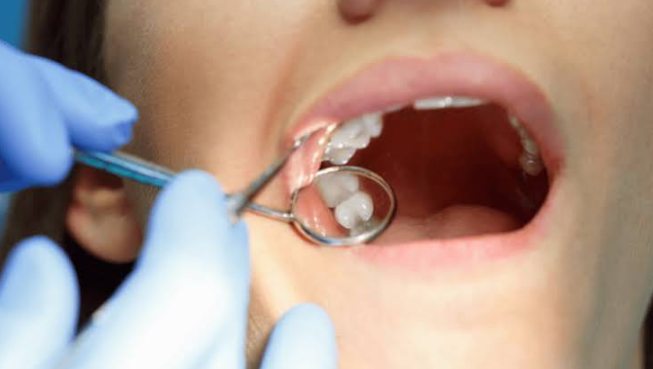
A routine exam for old dental fillings usually starts with a close visual check. Dentists look for chips, cracks, worn spots, dark lines around the edges, and gaps where bacteria can sneak in. They also check whether the filling still fits the bite correctly. If a filling sits too high or has worn unevenly, that pressure can irritate the tooth and surrounding tissue.
Decay around an old filling is one of the main concerns. A filling treats a damaged area, but it does not make the tooth immune to future cavities. If plaque collects around the margins, new decay can form under or beside the restoration. That can be hard to see at home, especially if the tooth looks normal from the outside.
X rays often help confirm what the eye cannot. A dentist may spot decay under a filling, hidden cracks, or changes near the nerve. According to the MedlinePlus overview of tooth decay, cavities can develop when bacteria and acids break down tooth structure over time. That process does not stop just because a tooth has already been filled once.
Material matters too. Silver colored amalgam fillings and tooth colored composite fillings age in different ways. Some become worn and loose. Some stain at the edges. Some fracture in small pieces that you may not even notice until food starts catching there every day.
See also: Practical Financial Wellness Tips for Everyday Life
Signs a filling may need repair or replacement
Pain is not always the first sign. Many failing fillings are found before they hurt. Dentists pay attention to sensitivity to cold, sweets, or pressure, but they also watch for subtle changes. A tiny edge fracture can turn into a larger crack if you grind your teeth or bite something hard. A small leak can become a deeper cavity if it sits for months.
You might hear terms like recurrent decay, marginal breakdown, or microleakage. They all point to the same basic issue. The seal is not as tight as it should be, and the tooth is more exposed than before.
There is also the question of preserving tooth structure. Dentists do not replace fillings just because they are old. Current guidance on restorative treatment decisions from the ADA supports treating based on the actual condition of the tooth and the lesion, not simply age alone. If a filling is stable, sealed, and the tooth is healthy, watching it may be the right move.
That matters if you have had the same work for years and feel uneasy every time someone mentions replacement. More drilling is not automatically better. The right choice depends on whether the filling is still protecting the tooth.
A general dentist checks both the filling and the tooth around it
A general dentist is not just looking at the restoration itself. They are checking the gumline, the contact between teeth, signs of grinding, and the strength of the remaining tooth. A large filling in a back tooth can leave thin walls of enamel that are more likely to crack. If the tooth has had repeated treatment over the years, the next step may not be another simple filling. It could need an inlay, onlay, or crown to prevent a fracture.
The National Institute of Dental and Craniofacial Research explains the types of dental fillings and common reasons they need attention, including wear, breakage, and recurrent decay. That is why exams matter even when nothing feels urgent. Teeth can stay quiet while problems build underneath.
What dentists checking fillings often compare during an exam
| What the dentist checks | What it can mean | Possible next step |
|---|---|---|
| Smooth edges and tight seal | Filling is likely stable | Monitor at routine visits |
| Rough edge or small chip | Early wear or minor fracture | Polish, repair, or watch closely |
| Darkness at the margin or visible gap | Leakage or new decay may be present | X rays and possible replacement |
| Pain with biting | Crack, bite stress, or failing restoration | Bite adjustment, replacement, or further testing |
| Cold sensitivity that lingers | Irritated nerve or deeper decay | Evaluate depth of damage and treatment options |
Checking old fillings early can prevent larger treatment later
Waiting is tempting when the tooth only bothers you once in a while. The problem is that teeth do not heal damaged filling margins on their own. A small defect can stay small for a while, then change quickly. If a piece breaks off during a meal or decay reaches the nerve, the cost and treatment time both rise.
That does not mean every old restoration is about to fail. Many last for years with good care. It means regular evaluation gives you options while the problem is still manageable.
Three practical steps you can take now
Pay attention to changes you can feel. Notice new sensitivity, food trapping, rough edges, or a change in how your teeth come together when you bite. Those details help a dentist judge whether the filling is stable or shifting.
Keep your checkups and mention old work directly. If you know which teeth have fillings, say so. Ask whether any margins look worn, whether X rays show decay nearby, and whether repair is possible before full replacement.
Protect the tooth between visits. Brush with fluoride toothpaste, clean between teeth daily, and avoid chewing ice or very hard foods on a tooth that already feels questionable. If you grind at night, bring that up too. Pressure shortens the life of many restorations.
Old fillings can be easy to ignore until they stop being easy. A careful exam can tell the difference between a filling that simply looks aged and one that is putting the tooth at risk. If something feels off, trust that instinct and schedule a visit with a general dentist. Catching a small problem early usually means a simpler fix and a lot less stress.