You might feel your chest tighten days before a dental visit, or notice your child getting quiet the moment teeth cleaning comes up. That kind of stress is common, and it can turn a simple checkup into something your whole family dreads. Dental anxiety at home often starts long before anyone sits in the chair. It shows up in skipped brushing, delayed appointments, poor sleep the night before, and that low level worry that keeps building. In some cases, treatment needs may add to that stress, especially when you need to restore your tooth with root canal treatment in Pasadena, TX.
That stress matters because oral health is tied to overall health. The National Institute of Dental and Craniofacial Research explains in its summary of oral health in America that oral conditions affect pain, eating, speaking, and daily life. Anxiety can make those problems harder to prevent because people avoid care when they need it most. The good news is that home habits can lower fear, give you back a sense of control, and make visits to a family dentist feel far more manageable.
Dental anxiety often grows in the spaces between appointments
Fear of the dentist is rarely just about the appointment itself. Sometimes it started with one painful visit years ago. Sometimes it is the sound of tools, the feeling of not being able to speak, or the worry about cost and bad news. For kids, it can come from watching a parent look tense. For adults, it can come from embarrassment. If you have put off care for a while, even making the call can feel exposing.
Anxiety also feeds on uncertainty. When you do not know what will happen, your mind fills in the blanks. A routine cleaning starts to feel like a threat. A small cavity becomes a crisis in your head. That is how avoidance starts. You delay one visit, then another, and the next time you go, the problem may be bigger, more expensive, and harder to treat. The fear feels justified, even though it was the delay that gave it more power.
This is where managing dental fear at home helps. Home is the place where you can slow the cycle down. You can build routines that make your body feel safer, your child feel prepared, and your thoughts less reactive. That does not erase anxiety overnight, but it can lower its intensity enough that you do not feel trapped by it.
See also: Innovative Solutions for Modern Oil Field Exploration
Family dentistry tips work best when they reduce uncertainty and restore control
The first shift is simple. Stop treating anxiety like a character flaw. It is a stress response. MedlinePlus offers a clear overview of anxiety, including physical symptoms like racing heart, restlessness, and trouble sleeping. If that sounds familiar before dental visits, your body is reacting to a perceived threat, even if you know the appointment is supposed to help you.
That is why the most useful family dentistry tips are not about forcing yourself to “just get through it.” They focus on predictability, comfort, and repetition. A child who knows what brushing will feel like, what a mirror tool looks like, and what words the dentist may use is less likely to panic. An adult who has practiced slow breathing and written down concerns is less likely to freeze during the visit.
It also helps to connect home care with confidence. Good daily hygiene lowers the chance that an appointment will involve painful problems or urgent treatment. The NIDCR page on oral hygiene supports the basics most families already know but do not always follow under stress, including brushing twice a day with fluoride toothpaste and cleaning between teeth daily. The less neglected your mouth feels, the less shame tends to ride along with the appointment.
At home strategies and professional support help in different ways
| Approach | What it helps with | Limits to keep in mind |
|---|---|---|
| Practice visits at home | Reduces fear of the unknown, helps children learn the sequence of care | Cannot fully replace the sensory experience of a real office |
| Breathing and grounding exercises | Lowers physical stress symptoms like shallow breathing and muscle tension | Works best when practiced before anxiety peaks |
| Consistent brushing and flossing routines | Builds control, lowers risk of painful dental problems | Does not address deeper trauma or severe anxiety on its own |
| Open family conversations about dental fear | Reduces shame, helps parents avoid passing fear to children | Needs calm, honest language to be effective |
| Professional dental care | Finds and treats issues early, prevents small problems from growing | May still feel hard without home preparation and clear communication |
If your child cries during brushing, a mock checkup with a toothbrush, mirror, and stuffed animal can help. If you dread lectures about missed care, write a short note before the appointment listing your concerns so you do not have to explain them while anxious. If cost is part of the fear, ask for an estimate before treatment is done. Anxiety gets louder when everything feels hidden.
Three steps can make dental anxiety at home more manageable right away
Create a calm dental routine. Pick the same time each morning and night for brushing and flossing. Use a timer, music, or a visual chart for kids. Keep your tone steady. When oral care becomes ordinary, it stops feeling like a warning sign that something bad is coming.
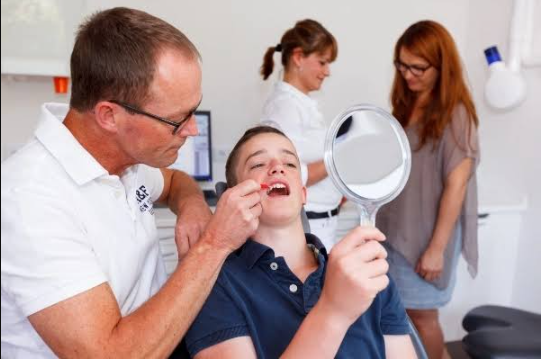
Rehearse the visit before it happens. Walk through what the appointment may involve in plain words. Sit back in a chair, open wide, count teeth, and practice raising a hand as a signal for a break. This works well for children and adults because it restores a sense of choice. That is a core part of dental anxiety management.
Use one body based technique every day. Try inhaling for four counts and exhaling for six, relaxing your shoulders as you breathe out. Practice when you are calm, not only when panic hits. Your body learns through repetition. By the time the appointment arrives, that slower breathing will feel more familiar and easier to use.
Small changes at home can make family dentist visits feel safer
You do not need to eliminate fear completely to make progress. You need enough calm, enough preparation, and enough self trust to keep moving. That is often how people rebuild a healthier relationship with dental care. One steady routine, one less avoided visit, one better conversation with your child. Those changes count.
If your family has been stuck in that cycle of worry and delay, start with the smallest step you can repeat tonight. Brush, breathe, rehearse, and keep going. Support from a caring family dentist can build on that work and make future visits easier.