You start treatment feeling hopeful, then life gets busy. Work runs late, school schedules shift, a missed appointment turns into two, and suddenly your braces or aligners do not feel like a priority. That is common. At an Upland orthodontic practice, orthodontic treatment asks for patience, money, and time, and when progress feels slow, it is easy to wonder whether every adjustment visit really matters.
They do. 5 Reasons Regular Adjustments Are Key To Orthodontic Success comes down to one simple truth. Teeth move in a controlled way only when your treatment is checked and fine tuned on schedule. Those visits help your orthodontist keep movement safe, catch problems early, reduce delays, and protect the result you are working toward.
Regular orthodontic adjustments keep tooth movement controlled
Braces and clear aligners do not move teeth all at once. They apply steady pressure over time, and that pressure needs monitoring. According to the Harvard School of Dental Medicine’s overview of orthodontic treatment, treatment involves periodic visits so appliances can be adjusted and progress can be checked. Without those follow ups, your teeth may not move as planned.
This is where people get frustrated. You are showing up, wearing the appliance, cleaning around brackets, avoiding foods you miss, and still the process feels slow. When adjustments are delayed, your treatment plan can drift. A wire may stop guiding movement the way it should. An aligner may no longer fit properly. A small issue can turn into extra months of treatment.
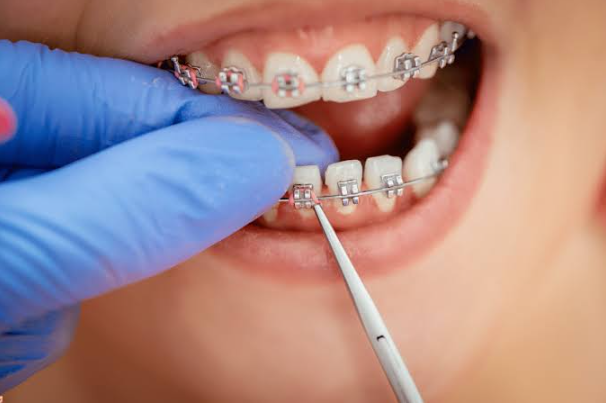
Routine braces adjustments keep pressure at the right level. That protects your teeth and the bone supporting them, and it gives your orthodontist a chance to make precise changes instead of larger corrections later.
Scheduled visits help prevent small problems from becoming bigger ones
Orthodontic treatment rarely goes in a perfect straight line. Brackets loosen. Wires poke. Elastics are worn inconsistently. Aligners crack or get lost. Teeth sometimes respond more slowly than expected. None of this means treatment is failing, but it does mean your orthodontist needs to see what is happening before the issue grows.
You may think, “It only feels a little off.” That little shift matters. A loose bracket can stop one tooth from moving while the others keep going. A poor aligner fit can throw off the next tray. Missed checks can also mean missed signs of gum irritation or cleaning problems. The MedlinePlus page on orthodontia explains that orthodontic care often includes ongoing monitoring of oral health along with tooth alignment.
This is one of the clearest reasons why regular visits for braces are not optional extras. They are part of the treatment itself.
Orthodontic follow up appointments can save time and money
People often postpone adjustments to save time. In practice, the opposite happens. Delays can stretch treatment longer, which means more office visits in the long run, more repair appointments, and more time living with restrictions and discomfort.
There is also the cost of avoidable setbacks. If an appliance breaks and goes unchecked, the repair may be more involved. If treatment stalls, you may need added months of care. If oral hygiene slips around braces, you may end up paying for fillings, gum treatment, or cosmetic fixes after your teeth are straight.
The FDA’s guidance on braces and clear aligner options also points out the need for professional supervision, especially with tooth movement devices. That supervision is not just about appearance. It is about safety, tracking progress, and reducing the chance of harm.
See also: Practical Financial Wellness Tips for Everyday Life
Consistent adjustments support comfort and better daily function
There is a practical side people do not talk about enough. When your bite is shifting the way it should, eating, speaking, and cleaning your teeth tend to become easier over time. When something is off and it stays off, daily life gets more annoying. You may have a wire rubbing your cheek for weeks, or bite pressure in one spot that makes chewing unpleasant.
Regular adjustment visits give your orthodontist a chance to relieve that friction. They can trim a wire, change an attachment, adjust elastics, or confirm that what you are feeling is normal. That kind of reassurance matters. Orthodontic treatment can feel isolating when you are not sure whether pain, tightness, or a strange bite is part of the process or a sign something needs attention.
Steady monitoring protects the final result of your orthodontic treatment
Straight teeth are only part of the goal. A stable bite matters just as much. If teeth line up but your bite is off, the end result may not feel right or last as well as it should. Adjustments help your orthodontist refine spacing, rotation, bite contact, and alignment at each stage instead of trying to fix everything near the end.
Think of it this way. Orthodontics is not one big movement. It is a series of controlled corrections. Each appointment builds on the last one. If too many are skipped, the finish line can move farther away, even when it looks like you are close.
Common outcomes with regular adjustments compared to delayed visits
| Area | Regular Adjustments | Delayed or Missed Visits |
|---|---|---|
| Tooth movement | Stays closer to the treatment plan | Can stall or move off track |
| Comfort | Problems like poking wires are addressed sooner | Discomfort may last longer |
| Treatment length | More likely to stay on schedule | Often extends treatment time |
| Repair needs | Small issues are corrected early | Minor damage can become bigger repairs |
| Final bite and alignment | Better chance of a stable result | Higher risk of incomplete correction |
Three steps that help you stay on track with orthodontic care
Book the next visit before you leave the office. The easiest appointment to keep is the one already on your calendar. If your schedule changes often, ask for the earliest available backup option instead of waiting until you are overdue.
Report changes as soon as they happen. A loose bracket, cracked aligner, wire irritation, or sudden fit problem should not wait until your next routine check. A quick call can prevent a longer setback.
Follow the daily instructions exactly. Wear your aligners for the recommended hours, use elastics as directed, and keep your teeth and appliances clean. Adjustments work best when the time between visits supports the plan instead of undoing it.
Orthodontic treatment asks a lot from you, and feeling worn down by the pace does not mean you are doing anything wrong. It means you are in the middle of a process that depends on consistency. Keep your appointments, speak up when something changes, and give each adjustment the weight it deserves. That is how progress stays real, safe, and lasting.