You already know kids copy what they see. That truth can feel a little uncomfortable when bedtime is rushed, floss gets skipped, and a dental visit to a Sunnyvale family dentist keeps getting pushed to next month. Most parents are not ignoring oral health because they do not care. They are tired, busy, stretched thin, and trying to keep up with work, school, meals, laundry, and everything else that lands on a family calendar.
Children notice all of it. They notice whether you brush before bed, whether you talk about the dentist with calm or dread, and whether checkups are treated like normal care or a crisis. A family dentist helps close that gap. Instead of asking kids to build habits on their own, you show them what those habits look like in real life. That is one reason How Family Dentists Help Adults Set A Better Example For Kids matters so much. It is not just about clean teeth. It is about making oral care part of family life in a way that feels steady and believable.
Family dental care turns healthy habits into something children can see
Kids learn by watching before they learn by listening. You can remind a child to brush twice a day, but the message lands differently when they see you doing the same thing without a fight. The same pattern shows up with dental visits. If every appointment is delayed until someone has pain, children start linking the dentist with fear, shots, or bad news. If they grow up seeing routine cleanings as normal, they carry that attitude forward.
A family dental care for parents and children approach makes this easier because it brings everyone under one roof. Adults and children often have different needs, but the message stays consistent. Preventive care is part of health care. That consistency matters at home too. A child who sees a parent ask good questions, follow treatment advice, and keep recall visits is learning responsibility without being lectured.
The research supports the need for that example. The CDC reports that cavities remain common in children, and oral health issues can affect eating, speaking, sleeping, and school performance. Their oral health tips for children reinforce the same basics many families struggle to maintain every day, including brushing with fluoride toothpaste and regular dental care.
When adults avoid the dentist, kids absorb the message
Plenty of adults carry old dental anxiety, cost worries, or simple embarrassment about how long it has been since the last visit. That is more common than most people admit. The problem is that avoidance rarely stays personal. Children pick up on tone, body language, and last minute cancellations. They hear “I hate the dentist” or “we only go if something hurts,” and those lines can shape their own expectations for years.
That ripple effect grows over time. A child who fears the dentist may resist cleanings. Missed cleanings can turn into untreated decay. Untreated decay can mean pain, sleep problems, missed school, and bigger treatment later. The CDC’s selected oral health findings show oral disease is still a real public health issue across age groups, which is one reason early, consistent care matters.
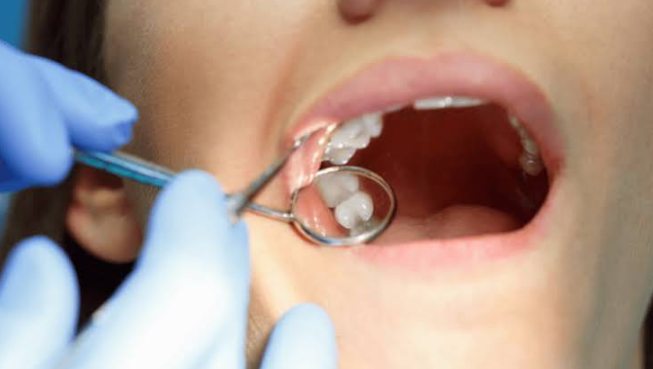
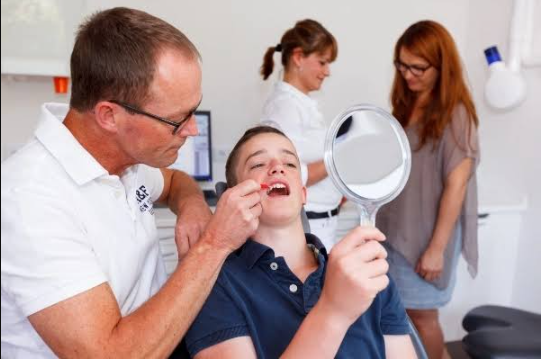
A family dentist can interrupt that cycle by making appointments more routine and less loaded. When parents and kids are seen in the same practice, the dental office becomes familiar. Staff get to know the family. Children watch adults sit for exams and cleanings and come out fine. That lowers the mystery, and with less mystery often comes less fear.
Family dentists help adults model consistency, not perfection
No child needs a perfect parent with a perfect dental routine. They need a believable example. That means brushing even when you are tired, replacing your toothbrush when it is worn out, showing up for preventive visits, and treating oral care as something worth your time. A family dentist supports that by giving adults clear guidance they can actually use at home.
You may find out your child needs help brushing longer, while you need a night guard for grinding. One parent may need gum care, while another needs a reminder to floss around dental work. A good office can address all of that without making anyone feel judged. That matters because shame shuts people down. Practical support keeps them engaged.
The basics are still the basics, and they work. The National Institute of Dental and Craniofacial Research outlines simple oral hygiene habits that protect teeth and gums across all ages, including brushing twice a day with fluoride toothpaste and cleaning between teeth daily. When children see adults doing those things as part of normal life, the lesson sticks.
Home routines and professional dental care work better together
| Approach | What Kids Learn | Likely Result Over Time |
|---|---|---|
| Parents tell kids to brush, but skip their own routine | Oral care is a rule for children, not a lifelong habit | More resistance, less follow through, mixed messages |
| Parents only book dental visits when there is pain | The dentist is linked to problems and fear | Higher anxiety and delayed care |
| Parents keep regular checkups with a family dentist | Dental care is normal, preventive, and manageable | Better trust, better habits, fewer avoidable issues |
| Parents brush and floss where kids can see | Healthy routines are part of daily life | More imitation and less arguing about basics |
This is where family dentistry becomes practical, not abstract. The office handles exams, cleanings, advice, and early treatment. Home handles repetition. One without the other leaves gaps. Professional care cannot make up for months of weak routines, and good brushing at home cannot catch every issue developing under the surface.
Small changes from adults often create the biggest shifts for kids
Book your own preventive visit first. If you have been putting it off, start there. Children notice what you make time for. Scheduling your own cleaning sends a stronger message than another reminder on the bathroom mirror.
Make brushing visible and shared. Brush at the same time as your child when you can. Keep it ordinary. No speeches, no pressure, just consistency. Shared routines reduce power struggles because the child is joining you, not being singled out.
Use calm language about dental care. Drop phrases that frame the dentist as punishment or pain. Talk about checkups the way you talk about haircuts, school supplies, or annual physicals. Familiar language lowers tension before it starts.
Better examples at home can lead to healthier smiles for years
You do not need to fix every habit overnight. Kids do not need a polished performance. They need to see that taking care of your teeth matters at every age, even on busy weeks, even when life is messy. That is where family dental care earns its value. It gives adults support, gives children a model they can trust, and turns oral health into a shared standard instead of a constant struggle.
If your family has fallen out of rhythm, starting again still counts. A family dentist can help you build a routine your children will remember for the right reasons.