Orthodontic treatment is about more than arranging the front teeth into a straighter-looking smile. A thoughtful plan considers how the teeth meet, how the jaws relate to one another, how the mouth is developing, and what will be practical for the patient throughout treatment.
Patients often benefit most when care is built around their individual goals and clinical needs. The same principles behind personalized innovative care apply across healthcare: careful listening, clear explanations, and decisions based on the whole person can make the treatment experience more informed and manageable.
Personalized orthodontics does not mean that every patient needs the newest appliance, the least visible option, or the fastest possible timeline. It means the provider evaluates the underlying concern and recommends an approach that balances oral health, function, appearance, lifestyle, and long-term stability.
Whether treatment involves braces, clear aligners, or a staged approach, patients should understand why a particular option is being recommended. A good consultation should leave room for questions, realistic expectations, and a discussion of the responsibilities that come with treatment.
For many families and adults, choosing a specialist orthodontic practice can offer reassurance that treatment is being planned with focused knowledge of tooth movement, bite relationships, jaw growth, and facial development.
Taking the time to understand the diagnosis, treatment options, and expected outcomes helps patients make informed decisions with greater confidence. A personalized approach supported by specialist expertise can contribute to treatment that is both effective and aligned with each patient’s long-term oral health goals.
What Makes Specialist Orthodontic Care Different?
Orthodontists complete dental education and then receive additional specialty training centered on moving teeth and aligning jaws. That background can be especially valuable when a concern involves more than mild crowding. A specialist looks beyond the visible front teeth to assess the entire bite, including how the teeth function during chewing and speaking.
For example, someone may have teeth that appear fairly straight but still experience uneven tooth wear, discomfort when biting, or an uneven bite. Appearance matters, but it is only one part of a complete orthodontic assessment. The American Association of Orthodontists’ guide to choosing an orthodontist offers useful information for patients, comparing qualifications and treatment planning approaches.
Why Personalized Treatment Plans Matter
No two mouths develop in exactly the same way. A personalized plan may account for crowding or spacing, bite alignment, jaw growth, age, previous dental work, gum health, oral hygiene habits, and daily routines. School, work, travel, sports, meals, and comfort with removable appliances may also influence the practical side of care.
Personalization should not be confused with a promise of a perfect result by a specific date. Treatment length and outcomes depend on the condition being treated, the body’s response, appliance use, oral hygiene, and regular follow-up. Research on customized orthodontic systems also suggests that the provider’s diagnosis, planning, and clinical management remain central to treatment quality, rather than customization alone.
How Thorough Diagnosis Supports Better Planning
A complete evaluation commonly includes a medical and dental history, a clinical examination, photographs, digital scans or impressions, and an assessment of the bite and jaws. X-rays may be recommended when they are clinically necessary to evaluate tooth position, root health, bone support, or developing teeth.
This process helps identify the cause of a problem before an appliance is selected. Choosing braces or aligners before understanding the bite can lead to an incomplete plan. Thorough diagnosis also helps patients understand what may happen during treatment and where adjustments could be needed.
Choosing Treatment Options That Fit Daily Life
Several orthodontic options may be appropriate, depending on the diagnosis:
- Traditional metal braces: A reliable fixed option that can provide controlled tooth movement in many types of cases.
- Clear braces: Similar in function to conventional braces, with brackets designed to be less noticeable.
- Clear aligners: Removable trays that require consistent wear, careful cleaning, and responsible storage.
- Early or staged treatment: Treatment used in selected growing children to address specific developmental concerns or guide later care.
The best choice is not always the one that looks most discreet. Fixed appliances can be helpful when consistent control is needed, while aligners may fit some routines well but require strong day-to-day cooperation. Patients should ask about benefits, limitations, cleaning needs, sports considerations, expected appointments, and the habits required for each option.
The Role of Clear Communication
Communication is part of treatment quality. Patients and caregivers should leave a consultation knowing the main orthodontic concern, possible choices, expected stages, likely appointment frequency, anticipated soreness, retainer needs, and approximate financial terms.
Plain language helps people make decisions with confidence. For instance, a patient may initially prefer clear aligners for appearance, then choose another option after learning about the required daily wear time, follow-up visits, and cleaning responsibilities. Honest conversations make it easier to choose a plan that fits real life.
How Technology Can Support Patient-Centered Care
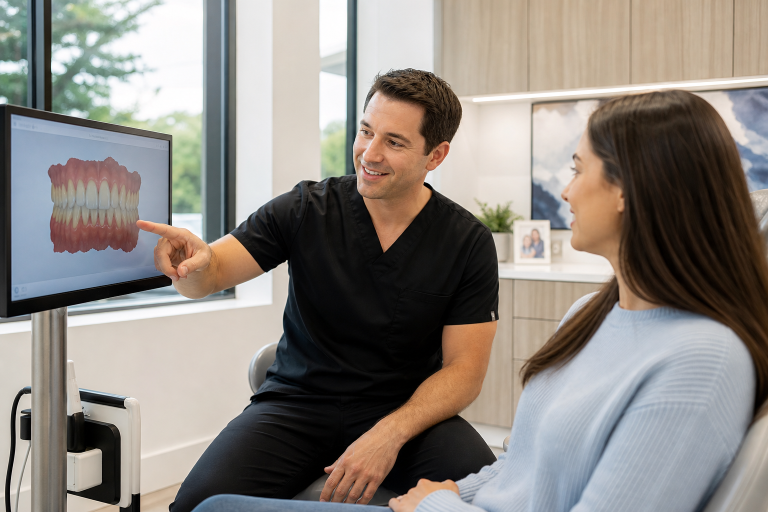
Digital scans, photographs, imaging, treatment simulations, and electronic records can support careful planning and clearer education. A scan may make it easier for a patient to see crowding, spacing, or bite concerns, while progress records can help the care team monitor changes over time.
Technology is useful when it supports professional judgment, not when it replaces it. Newer equipment does not automatically mean faster treatment or better results. Patients should feel comfortable asking what a device does, why it is recommended, and how the information it provides will guide their care.
See also: Why Legal Representation Matters in Family Law Conflicts
Personalized Care for Children, Teens, and Adults
Children
Early evaluations can help monitor jaw growth, erupting teeth, spacing, and bite development. Not every child needs immediate treatment, but monitoring can help identify concerns at an appropriate time.
Teens
Teen treatment often involves discussions about school schedules, sports, appearance, diet, and appliance care. Support from parents or caregivers can be important for maintaining hygiene and following instructions.
Adults
Adults may have previous dental restorations, gum concerns, bone support issues, or work-related scheduling needs. Coordination with a general dentist or another dental professional may be needed before or during treatment.
Questions to Ask Before Choosing a Practice
- What specialty training does the provider have?
- How will the bite and jaw relationship be evaluated?
- Which treatment options fit this specific concern, and why?
- What are the benefits, limits, risks, and responsibilities of each option?
- How often will appointments be needed?
- What does the quoted fee include, including retainers and follow-up care?
- Who will supervise treatment at each visit?
- What happens if progress does not go as expected?
Signs a Practice May Not Be the Right Fit
- Guaranteed results or unusually short timelines before a complete exam.
- Pressure to begin treatment before questions are answered.
- Vague explanations about fees, retainers, risks, or follow-up.
- Recommendations based only on appearance or price.
- Little discussion of hygiene, appliance care, or patient responsibility.
- Difficulty reaching the care team when a concern arises.
Long-Term Stability and Retention
Orthodontic treatment does not end on the day braces are removed or the final aligner is completed. Teeth are supported by living tissues, and they can gradually shift after active treatment. Retainers help hold teeth in their planned positions while surrounding bone and soft tissues adapt. For that reason, retention is not an optional afterthought; it is an essential part of protecting the time, effort, and cost invested in a healthier bite and smile.
Retention plans vary. Some patients wear retainers full-time at first and later transition to nighttime use, while others need a different schedule because of their bite, age, or treatment history. Removable retainers should be stored safely in their case when not being worn, kept away from heat, and cleaned as instructed. Fixed retainers can be useful in selected situations, but they also require careful brushing, flossing, and periodic checks. Patients should know whom to contact if a retainer is lost, damaged, uncomfortable, or no longer fits.
Regular dental visits remain important during and after orthodontic care. Cleanings and examinations help identify cavities, gum inflammation, worn restorations, or other concerns that may affect comfort and stability. A patient who notices a change in the bite should not assume it will resolve on its own. Prompt communication allows the orthodontic team to decide whether an adjustment, a new retainer, or coordination with another dental provider is appropriate.
Shared Responsibility Throughout Treatment
Successful orthodontic care is a partnership. The practice is responsible for diagnosis, treatment design, monitoring, and guidance; the patient is responsible for attending appointments, following appliance instructions, maintaining oral hygiene, and reporting problems promptly. This shared responsibility is especially important with clear aligners, elastics, retainers, and other appliances whose effectiveness depends on regular use. Missed visits, broken appliances, inconsistent wear, and poor cleaning can affect treatment progress and may increase the need for additional visits or refinements.
Before beginning treatment, patients can make the process easier by discussing travel plans, upcoming life changes, previous dental anxiety, and any concerns about keeping appointments. They should also ask how urgent issues are handled outside normal office hours. A plan works best when it accounts for everyday realities instead of assuming perfect routines. Open communication gives the care team an opportunity to offer practical strategies, reinforce instructions, and respond early when something changes. That preparation can make treatment safer, smoother, and more predictable for everyone.
Final Thoughts
Choosing orthodontic care is an important health decision. Specialist training, detailed diagnosis, clear communication, and consistent follow-up can help create a plan that respects both the patient’s dental needs and everyday life. The most appropriate option is not necessarily the most expensive, newest, or least noticeable. It is the option supported by sound planning, skilled supervision, realistic expectations, and a commitment to protecting the result after treatment ends.