You can feel the tension before the appointment even starts. Your child hears the word “filling,” their face changes, and suddenly a simple dental visit feels much bigger than it did a minute ago. If you’re searching for dental care in Birmingham, AL, you may be worried about tears in the chair, fear of pain, or the chance that one bad experience could turn into years of dental anxiety.
That fear is real, and it is common. A first filling can sound scary to a child because they do not know what to expect, and kids often imagine something far worse than the actual visit. The good news is that supporting a child who is nervous about their first dental filling usually comes down to preparation, calm language, and a dental team that knows how to work with children. Most fillings are routine, safe, and much easier than the buildup in your child’s mind.
Dental filling anxiety often starts before the appointment
Children rarely fear the filling itself as much as the unknown. They may worry that it will hurt, that they will not be able to stop once it starts, or that strange sounds and numb feelings mean something is wrong. If your child has had a hard medical visit before, even a shot at a pediatrician’s office, that memory can carry over into the dental chair.
Parents feel this pressure too. You want to be honest without frightening them, calm without sounding dismissive, and encouraging without making promises you cannot control. If you say, “It won’t hurt at all,” and your child feels pressure or discomfort, trust can crack fast. A better approach is simple and steady. Tell them the dentist is going to fix a tooth, keep it strong, and help their mouth stay healthy.
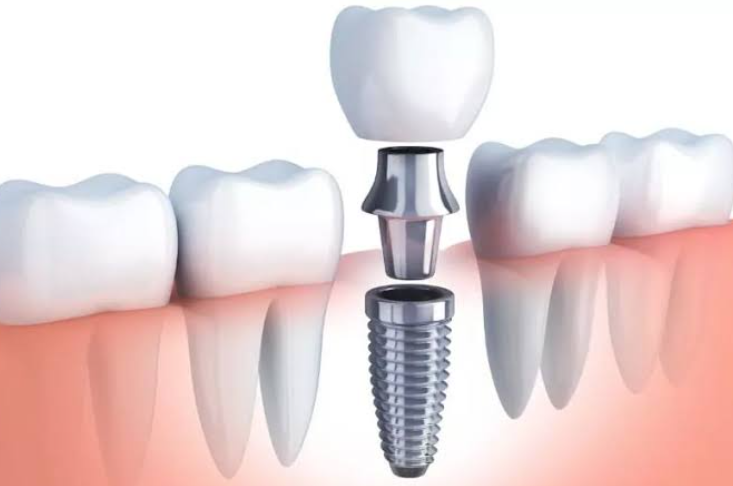
The basics help. The National Institute of Dental and Craniofacial Research explains that dental fillings are used to repair teeth damaged by decay. Framing it this way gives the visit a purpose. Your child is not going in for something random. They are getting help for a tooth that needs care.
Children cope better when you name the fear without feeding it
If your child says, “I’m scared,” they do not need a speech. They need to hear that fear makes sense. You might say, “I know this feels new, and new things can feel scary. I’ll be with you, and the dentist will tell you what’s happening.” That kind of response lowers the temperature in the room. It does not argue with their feelings, and it does not hand the fear more power either.
This matters because dental fear can build on itself. A child worries at home, then sleeps badly, then arrives already tense, and every sound feels sharper. Harvard School of Dental Medicine notes that dental fear often grows from loss of control, past experiences, and fear of pain. Once you see that pattern, the goal becomes clear. Give your child a sense of predictability and control wherever you can.
That may mean agreeing on a hand signal they can use if they need a break. It may mean letting them bring headphones, a small comfort item, or a stuffed animal that stays in their lap. It may mean avoiding too many details if they are the kind of child who gets more nervous the more they hear. Helping kids through a first cavity filling is not about one perfect script. It is about matching your support to your child’s temperament.
Simple preparation can make a first cavity filling feel manageable
A short, calm explanation usually works better than a long one. Tell your child the dentist will count and clean the tooth, make the area sleepy, fix the tooth, and check that it feels smooth. Avoid loaded words like “drill,” “shot,” or “pain” if your dental office prefers child-friendly language, but do not be vague to the point of confusion. Children do better when they know enough to feel oriented.
Timing matters. Some kids do best hearing about the filling a day or two ahead of time. Others need more time to process. If your child tends to spiral, introducing the appointment too early can stretch the worry out for days. If your child likes time to prepare, last-minute news can feel like a betrayal. You know the rhythm of your child better than anyone.
Relaxation can help, especially for older children who are able to follow simple breathing prompts. The National Center for Complementary and Integrative Health shares that relaxation techniques such as slow breathing can reduce stress and help the body settle. Even one easy exercise, breathing in for four counts and out for four counts, can give your child something concrete to do with their fear.
What helps before and during a child’s first filling
| Approach | How it helps | What to avoid |
| Brief, honest explanation | Builds trust and lowers fear of the unknown | Overloading your child with details |
| Comfort item or headphones | Gives a sense of security and distraction | Bringing something that blocks communication with the dentist |
| Hand signal for breaks | Restores a sense of control | Promising constant breaks if the procedure needs steady progress |
| Calm parent language | Helps your child borrow your calm | Saying “Don’t be scared” or “This is no big deal” |
| Slow breathing practice | Reduces physical tension before and during treatment | Waiting to teach it until your child is already overwhelmed |
Clear steps can support a nervous child at the dentist
1. Call the office before the appointment. Let the team know your child is anxious about their first filling. Ask how they explain procedures to children, whether a parent can stay nearby, and what comfort options they allow. A good family dentist will want this information before your child walks through the door.
2. Practice the visit at home. Keep it light. Sit in a chair, open wide, count teeth, and practice the hand signal and breathing. This kind of role play helps when you are preparing a nervous child for a dental filling because it turns the unknown into something familiar.
3. Focus on recovery, not rewards. Praise your child for being brave, listening, and getting through something hard. A small treat or a quiet plan afterward can help, but the bigger win is teaching them, “I was scared, and I handled it.” That mindset carries into future cleanings and any other general dental care they may need.
See also: Understanding Business Loan Options for Entrepreneurs
A calm first filling can shape healthier dental visits later
Your child does not need to love the idea of a filling for the visit to go well. They just need enough support to get through it feeling safe, heard, and cared for. That first experience can set the tone for years. When fear is handled with patience instead of pressure, children learn that the dentist is a place where problems get fixed, not a place where scary things happen to them.
If your child is anxious about an upcoming filling, reach out to a family dentist and talk through the plan before the appointment. A little preparation can turn a tense visit into one your child can handle with more confidence than you expect.