Living in a home that feels restful begins with the way things are arranged and kept. A cluttered environment creates mental noise; conversely, a simplified space encourages clarity, reduces daily friction, and supports healthier routines. This article walks through gentle, sustainable approaches to clear out excess, organize what remains, and design a home that invites calm without demanding constant maintenance.
The psychology of simpler spaces
Our brains are wired to react when there is too much visual information. Piles of mail, overflowing closets, and crowded surfaces require ongoing decisions — whether to file, toss, or store — and each little choice chips away at mental energy. When the home presents fewer stimuli, decision fatigue eases. Calm emerges not from deprivation but from thoughtful selection: keeping items that serve a purpose or bring genuine pleasure, and letting go of what simply fills space without contributing to daily life.
See also: Practical Financial Wellness Tips for Everyday Life
Practical first steps to begin
Start with one small area so the process feels achievable. Pick a countertop, a single drawer, or one shelf and set a timer for thirty minutes. During that period, make concrete decisions: keep, donate, recycle, or trash. For longer-term strategy, consider searching for resources on how to declutter your home and adapt any useful frameworks to fit your lifestyle. The goal is momentum rather than perfection; a thirty-minute win can build confidence and create visible change that motivates the next session.
Tackle items by category instead of by room when you can. Clothing, books, and paperwork often benefit from being addressed all at once so you can see the total accumulation and make better choices. For paperwork, create a simple triage system: action, archive, or shred. For small sentimental items, allow yourself to photograph things you won’t keep so memories stay intact without the physical clutter.
Organizing for maintenance
Once you’ve reduced the volume of belongings, create simple systems to maintain that progress. Invest in a few clear storage containers, labels, or open baskets that make contents visible and easy to return. Keep regularly used items at eye level and designate less accessible spaces for seasonal or rarely used belongings. A consistent landing zone near the door for keys, bags, and mail prevents daily spillover into living areas.
Daily rituals make upkeep manageable. Spend five minutes each evening returning items to their assigned spots, and do a weekly 15-minute sweep where you address anything that has accumulated in common areas. The objective is to normalize tidying as a short, calming part of the routine rather than an occasional labor-intensive overhaul.
Designing calm with intentional choices
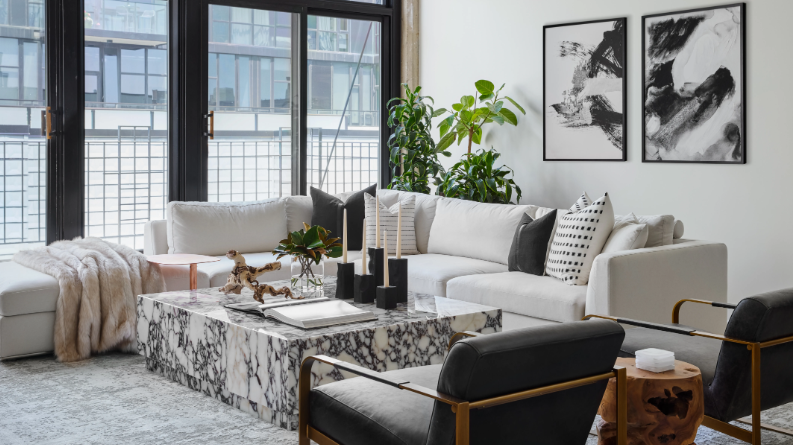
Calm is amplified when the furniture and decor support relaxation and function. Choose pieces that serve multiple purposes: a bench with storage, a coffee table with drawers, or modular shelving that adapts over time. Adopt a “one in, one out” policy for new items so additions do not silently increase overall volume. Color and texture also matter; a limited palette and natural materials can reduce visual busyness and promote a sense of cohesion.
Lighting plays a major role in perceived space and mood. Maximize natural light where possible and layer ambient, task, and accent lighting to create adaptable atmospheres for different times of day. Incorporate plants to bring life and gentle movement into rooms; greenery has been shown to lower stress and improve air quality, aiding both aesthetic calm and wellbeing.
Handling sentimental items thoughtfully
Sentimental objects are often the hardest to part with but they don’t have to accumulate unchecked. Create a ritual for evaluating these items: ask whether each object tells a story you actively want to interact with or whether that memory could be preserved differently. A dedicated memory box for a few meaningful pieces keeps nostalgia accessible without overtaking living space. For items that are significant but bulky, consider digitizing (scanning documents or photographing items) and storing the digital mementos alongside a small, curated physical collection.
Adapting your approach to life changes
Homes evolve with life stages. A layout and organization system that works during one season may need to shift as family composition, hobbies, or work demands change. Schedule quarterly reviews to reassess what’s working and what isn’t. During these check-ins, focus on problem areas that regularly attract clutter and experiment with small interventions — a new shelf, a hanging organizer, or a different traffic flow — rather than overhauling the entire home.
When moving or renovating, resist the temptation to carry everything forward. Use the transition as an opportunity to be selective. This is often the most effective moment to make lasting change, because the physical effort of moving creates natural boundaries for what is worth the space and energy.
Keeping calm long-term
Long-term calm depends on making simplicity a lifestyle rather than a temporary project. Teach household members the systems you use and include children in age-appropriate ways so tidiness becomes a shared value. Celebrate small victories and keep the process flexible to accommodate real life — occasional indulgences and imperfect days are part of a balanced home.
Remember that the purpose of streamlining a living space is to support your life, not to adhere to an aesthetic standard. Clarity, ease, and a sense of welcome are the true measures of success. With steady, modest steps, your home can become a sustainable haven that reduces friction, protects mental energy, and cultivates lasting calm.