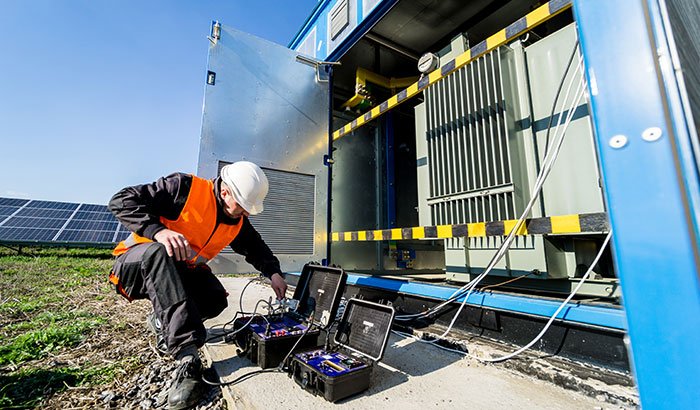
Electrical transformers serve as the crucial backbone of our power grid, ensuring electricity is delivered to homes and businesses at safe voltage levels. As modern life becomes increasingly dependent on uninterrupted electricity, prioritizing the safety of these vital components is more important than ever. Understanding proper safety measures, reliable maintenance, and up-to-date standards surrounding each transformer helps prevent dangerous outages and critical infrastructure failures.
The safety of transformers impacts more than just convenience. Malfunctions can trigger hazardous scenarios, including fire risks, extensive outages, and damage to essential equipment. As the United States grapples with expanding electrification and modernization, a solid grasp of transformer safety procedures safeguards lives and maintains grid reliability.
In this article, we will delve into why transformer safety is essential, examine the most common risks, address aging infrastructure, supply chain issues, and cybersecurity threats, and outline proven strategies for bolstering overall safety.
Importance of Transformer Safety
Transformers play a crucial role in stable power distribution by making high-voltage electricity safer for use. Neglecting transformer safety can lead to significant issues throughout the electrical network, impacting homes, businesses, and essential services such as hospitals, and potentially causing blackouts or fires. Transformer safety is not only a technical issue but also vital for public safety and community resilience, affecting traffic control, water supply, and communications. Utilities must foster a safety-first culture and comply with regulations from organizations such as IEEE and IEC to protect people and infrastructure, emphasizing adherence to updated guidelines and risk management strategies.
Common Safety Risks
Several factors threaten the safety and effectiveness of transformers:
- Overloading: When the demand placed on a transformer exceeds its designed capacity, it can overheat, potentially leading to internal failure or fire.
- Environmental Factors: Adverse weather, such as storms, flooding, or lightning, can cause significant physical damage.
- Manufacturing Defects: Transformers built with poor-quality materials or substandard engineering are at risk for early failure, jeopardizing the entire grid’s stability.
- Lack of Preventive Measures: Failure to implement fire barriers, protective relays, or adequate physical security measures can expose equipment to manageable, preventable risks, increasing the impact of an incident should one occur.
Electrical and mechanical stresses, moisture or particle contamination, and poor installation practices are additional hazards. These issues can lead to insulation breakdowns, oil degradation, and ultimately transformer explosions if not properly addressed.
Aging Infrastructure
The United States faces significant challenges, as many power grid components, particularly transformers, have exceeded their expected lifespans. The National Renewable Energy Laboratory reports that approximately half of the distribution transformers are over 33 years old, increasing risks of malfunctions, insulation failures, and service interruptions. Aging infrastructure increases utilities’ operational costs through more frequent repairs and reduced efficiency. To address these issues, utilities are adopting strategic asset management practices, including advanced monitoring technologies such as infrared thermography and online monitoring systems. These tools provide early warnings, enabling proactive maintenance and enhancing safety and operational sustainability.
Supply Chain Challenges
America’s demand for transformers is outpacing supply, with lead times increasing from 80 to over 210 weeks due to global supply chain disruptions. This delays the replacement of aging infrastructure and hampers the modernization of the power grid. Limited manufacturers and logistical constraints exacerbate these delays, leading to higher costs for ratepayers and slowing the development of renewable energy projects. Collaboration among utilities, manufacturers, and the government is essential to streamline production. Efforts to boost domestic production and diversify supply chains are underway, highlighting the strategic importance of transformers for national security. Workforce training and investment in technology research are also crucial for improving system resilience.
Cybersecurity Threats
Modern transformers now include advanced digital monitoring and smart-grid technologies that improve efficiency and enable remote diagnostics. However, these innovations introduce vulnerabilities, with cyberattacks posing a real threat that can disrupt operations and risk national security. Utilities must implement comprehensive cybersecurity measures and layered defenses to protect these systems. Recent incidents show critical energy infrastructure, including transformers, is targeted by sophisticated attackers exploiting remote monitoring software or control system vulnerabilities, potentially leading to equipment manipulation or destruction. To counter this, utilities should keep security measures up to date, including firewalls, encryption, software patches, and activity monitoring, and conduct tabletop exercises and share information with government and industry peers. Cybersecurity is an ongoing effort that demands continuous vigilance and adaptation as technology evolves.
See also: Understanding Business Loan Options for Entrepreneurs
Enhancing Transformer Safety
There are practical measures that utilities and grid operators can adopt to improve transformer safety:
- Regular Maintenance: Comprehensive and frequent inspections, coupled with scheduled maintenance programs, can detect degrading insulation, oil, or hardware before failure.
- Infrastructure Upgrades: Strategic replacement of obsolete units with advanced, more efficient transformers strengthens the grid and reduces the risk of catastrophes.
- Cybersecurity Investments: Implementing advanced security practices, training employees, and closely monitoring digital components are essential in the evolving threat landscape.
- Personnel Training: Equipping utility staff with up-to-date safety protocols, technical expertise, and emergency response training helps reduce the likelihood and impact of transformer incidents.
Using predictive analytics and smart sensors allows for real-time monitoring and proactive decision-making to reduce unexpected outages. Best practices include regular emergency response drills, refining risk management policies, and ensuring compliance with standards. For critical facilities, implementing security barriers and fire suppression systems, along with remote isolation, minimizes the risks associated with transformer failures. Engaging safety consultants and industry forums promotes continuous improvements in safety strategy. A holistic approach combining technology, trained personnel, and proactive policies is essential for transformer safety amid evolving infrastructure challenges.
Conclusion
The safety of electrical transformers is crucial for our energy infrastructure. Addressing aging parts, supply issues, and cybersecurity keeps the grid resilient, protecting both the network and its users. Transformer safety requires ongoing vigilance as technology evolves. Embracing best practices and innovation helps minimize hazards and keep communities safe and connected. Prioritizing maintenance, cooperation, and ongoing improvement ensures a secure, reliable power system essential for societal progress.