Why Window Well Safety Deserves Attention
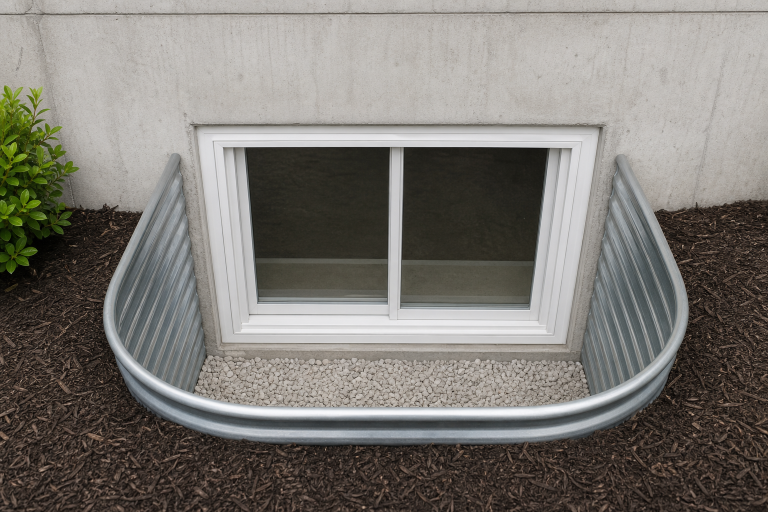
A basement window well is not simply a metal or composite barrier around a below-grade window. It creates space for light and ventilation, holds the surrounding soil back from the glass, and can direct water away when properly installed and maintained. If a basement bedroom relies on that opening for emergency escape, the well also becomes an important safety feature. Homeowners considering window well replacement Fort Collins services should start by looking beyond the liner’s visible condition and checking the entire area around it.
Small issues can quickly become larger ones. A shallow puddle after a storm may seem harmless, but repeated pooling can expose the window frame, foundation wall, and drainage system to unnecessary moisture. Leaves, snowmelt, mulch, and loose soil can accumulate at the bottom of a well until water no longer has a clear path away from the house.
Six Signs A Window Well May Need Repair Or Replacement
- Persistent standing water: Water that remains long after rain stops can indicate a blocked drain, compacted soil, poor grading, or an inadequate drainage layer.
- Heavy rust or corrosion: Flaking metal, holes, sharp edges, or bent sections can weaken the well and make it less reliable at holding back soil.
- Cracks, movement, or separation: A well that pulls away from the foundation, shifts outward, or develops visible cracks needs closer evaluation.
- Soil and mulch buildup: Material that collects near the bottom can block drainage and reduce the open space required for an egress window.
- A restricted exit path: The window should open fully, and a person should be able to move through the well without obstructions such as stored items, planters, or debris in the way.
- Repeated basement leaks: Dampness or water near the window after rain, irrigation, or snowmelt suggests that the cause has not been resolved.
One symptom can have several causes. For example, caulking around a window may temporarily reduce a draft or minor seepage, but it will not correct roof runoff that pours into the well or a liner that has detached from the foundation.
How Window Well Drainage Should Work
Effective drainage begins above the well. Yard soil should slope away from the foundation, gutters should remain clear, and downspouts should release water far enough away that it does not flow back toward the opening. Inside the well, a clean gravel base or a suitable drain connection gives water a route downward and away from the window.
A replacement project often involves excavation, a prepared crushed-stone base, secure fastening, backfill, and final grading. This window well replacement guide offers a useful overview of those steps. The key point is that a new liner alone cannot solve a drainage problem if water still collects around the foundation.
Cleaning, Repair, Or Replacement?
The appropriate solution depends on the condition of the well and the reason water or soil is getting where it should not.
- Cleaning may be enough when the problem is limited to leaves, weeds, sediment, or loose soil covering a drain area.
- Repair may make sense when the well is structurally sound but needs new fasteners, minor sealing, drainage work, or landscape adjustments.
- Replacement is worth considering when the structure is severely corroded, cracked, warped, detached, undersized, or has repeatedly experienced leaks.
If the same issue returns after cleaning and improving the grade, it is time to inspect the window, well, drainage route, and nearby foundation area together rather than treating each symptom separately.
See also: Understanding Business Loan Options for Entrepreneurs
Material Choices For A New Window Well
Common choices include galvanized steel, composite or fiberglass products, and pressure-treated wood systems. Galvanized steel is familiar and widely available, although corrosion can be a concern in consistently damp or aggressive soil. Composite and fiberglass options resist rust and may offer different colors or textured finishes. Treated wood can suit specific designs but needs careful moisture management to reduce the risk of long-term decay.
Choose materials based on soil conditions, expected maintenance, climate, window size, appearance, and the need for emergency escape access. The least expensive option at installation is not always the most economical choice over many years.
See also: Understanding Business Loan Options for Entrepreneurs
Safety And Egress Checks
A window well serving an emergency escape opening must leave enough space for the window to open and for a person to get out. Deep wells may require a permanently attached ladder or steps. Review the 2024 International Residential Code window well provisions as a general reference, then confirm the requirements adopted by the local building department.
Basic Safety Checklist
- Open the basement window fully and confirm that it operates smoothly.
- Keep storage, landscaping materials, and decorative items out of the exit path.
- Check whether the well’s depth requires a ladder or steps.
- Use a cover that does not prevent emergency escape from inside the home.
- Ask about local permit and inspection requirements before excavation begins.
How To Prepare For A Window Well Project
- Take photos of the well, window, foundation wall, yard slope, and downspouts.
- Measure the well’s width, depth, and clear space in front of the window.
- Note when pooling occurs and how long the water remains after storms.
- Identify nearby irrigation lines, paving, utility locations, plants, and fencing.
- Ask whether drainage work, excavation, backfill, cleanup, and final grading are included.
- Request written details about materials, timing, warranties, and potential additional work.
Questions To Ask Before Work Begins
- What is causing the current water, corrosion, or movement issue?
- Where will water drain once the project is complete?
- Will the new well allow the window to open fully?
- How will soil be compacted and graded away from the foundation?
- Will nearby landscaping, walkways, and irrigation be protected?
- What seasonal maintenance will the finished system require?
Seasonal Maintenance And Common Mistakes
Inspect window wells at least each spring and fall, plus after unusually heavy rain. Remove leaves, sticks, weeds, and sediment. Check for rust, cracks, settlement, loose fasteners, damaged covers, and water that lingers at the bottom. Confirm that gutter outlets and downspouts still direct roof water away from the foundation.
Avoid installing a cover without addressing a blocked drain, adding gravel while ignoring poor yard grading, or choosing a well that restricts the window opening. Also, avoid piling mulch or soil high around the opening, and begin excavation before checking for utilities.
Final Decision Guide
If the well only contains debris, clean it and observe it during the next storm. If water collects but the structure remains stable, investigate drainage and grading. If the liner is damaged, detached, or too small for the window, request a replacement assessment. When water reaches the basement, or the window serves as an escape route, address the issue promptly. A safe window well should protect the window, manage water, hold back soil, and preserve a clear path out when it matters most.