For homeowners in Denver, Colorado, seeking a balance of beauty, practicality, and long-term value in flooring, engineered wood is an exceptional choice. With its ability to handle the city’s fluctuating temperatures and relatively arid climate, this option continues to gain popularity across the region. Many home improvement professionals and residents are discovering the unique benefits of wood flooring in Denver, Colorado, making it a smart investment for both modern homes and classic spaces. Denver’s unique blend of dry winters, frequent sunshine, and moderate summer humidity places special demands on flooring materials. Engineered wood flooring is specifically designed to withstand such conditions by combining the natural appeal of hardwood with an impressive level of structural resilience. Whether you’re remodeling a historic bungalow in Capitol Hill or upgrading a new build in Stapleton, engineered wood flooring fits seamlessly with the mile-high lifestyle and architectural trends.
What Is Engineered Wood Flooring?
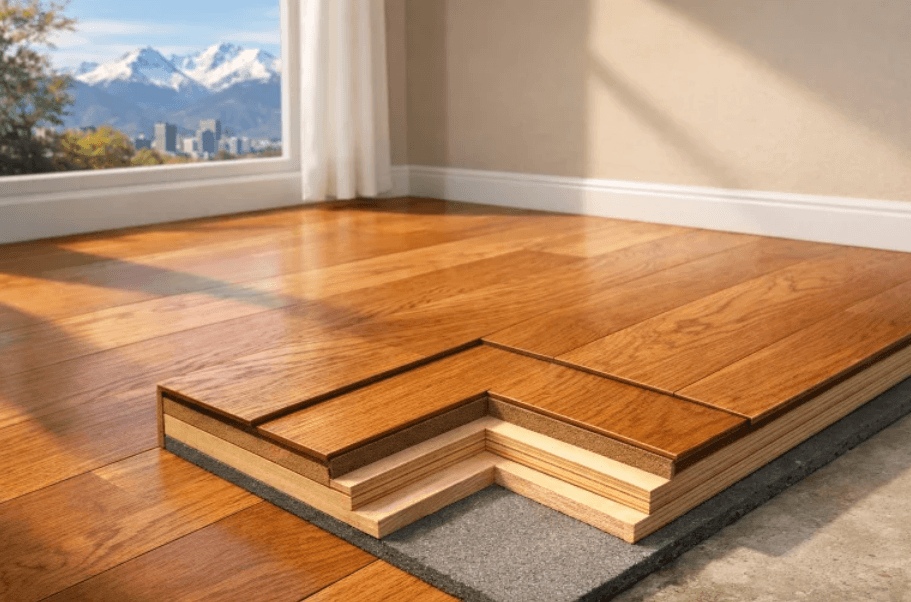
Engineered wood flooring is composed of a real hardwood veneer as the top layer, bonded to several layers of plywood or high-density fiberboard beneath. Each layer is oriented in different directions, giving it structural stability and resistance to changes in moisture or temperature, concerns particularly relevant in the Denver area, where homes experience constant shifts in indoor and outdoor climates. For local homeowners, this means a beautiful hardwood finish that remains reliably flat and comfortable year-round.
Durability and Stability
The unique engineered wood flooring construction significantly reduces the risks associated with natural wood, such as warping, cupping, and gapping. Denver’s low winter humidity and sporadic summer storms can cause traditional solid hardwood to expand or contract. However, engineered flooring’s cross-layered construction provides long-term resistance to these issues, making it well-suited to the Colorado climate. According to HGTV, this technology bridges the gap between luxury and performance for busy households in regions with seasonal shifts.
Versatile Installation Options
Another notable benefit of engineered wood flooring is its flexible installation. Unlike solid hardwood, which generally requires a plywood subfloor, engineered wood can be installed directly over concrete slabs, radiant heating systems, or even existing flooring. This flexibility is crucial for Denver homes, many of which feature basements or lower-level living spaces that require floors capable of handling temperature or moisture differentials. Engineered wood planks can be glued, nailed, stapled, or floated, creating a host of possibilities for any room or remodeling scenario.
Moisture Resistance
Denver experiences a semi-arid climate, but homes still face risks of water exposure, especially in kitchens, bathrooms, and basements. Engineered wood offers improved moisture resistance compared to solid hardwood, making it a better fit for these vulnerable areas. While it’s not completely waterproof, its layered build is designed to reduce swelling or buckling from occasional spills or increased indoor humidity.
Aesthetic Variety
Engineered wood comes in a wide range of species, finishes, and plank sizes, allowing Denver homeowners to match any interior style. Whether you want the timeless look of oak, the rich grain of walnut, or the contemporary appeal of wide, matte-finished planks, the design possibilities are nearly endless. Custom stain options and surface treatments let you connect your floor to local design palettes, from rustic mountain chic to modern minimalism.
See also: Tips for Planning a Successful Home Remodel
Cost-Effectiveness
Engineered wood flooring offers an excellent value proposition. It typically costs less than premium solid hardwood yet provides a similar appearance and often surpasses it in performance. Additionally, the streamlined installation process can reduce labor time and associated costs. Combined with lower maintenance needs, choosing engineered wood can result in long-term savings while increasing the value and comfort of your Denver home.
Maintenance and Longevity
Maintenance for engineered wood flooring is straightforward. Pre-finished planks require less frequent sanding or finishing than unfinished woods. Routine sweeping, occasional damp mopping, and fast attention to spills keep floors looking their best. Compared to solid hardwood, engineered wood can often retain its appearance longer in high-traffic or variable-humidity spaces. With proper care, these floors can last decades, making them a practical choice for growing families or busy professionals in Denver.
Environmental Impact
As sustainability becomes more important to Colorado communities, many engineered wood products are designed with environmental responsibility in mind. Because engineered flooring uses a thinner layer of hardwood and relies more on fast-growing core materials, it produces less waste and helps conserve old-growth forests. Many manufacturers also focus on recycled materials and eco-friendly adhesives, appealing to Denver’s green-minded residents and forward-thinking builders.
Conclusion
Engineered wood flooring is an outstanding choice for homeowners in Denver, Colorado. Its balance of durability, moisture resistance, design flexibility, and cost-effectiveness aligns perfectly with the city’s climate and local values. Whether you are renovating a classic historic home or outfitting a contemporary condo, engineered wood brings lasting value and beauty to every project.