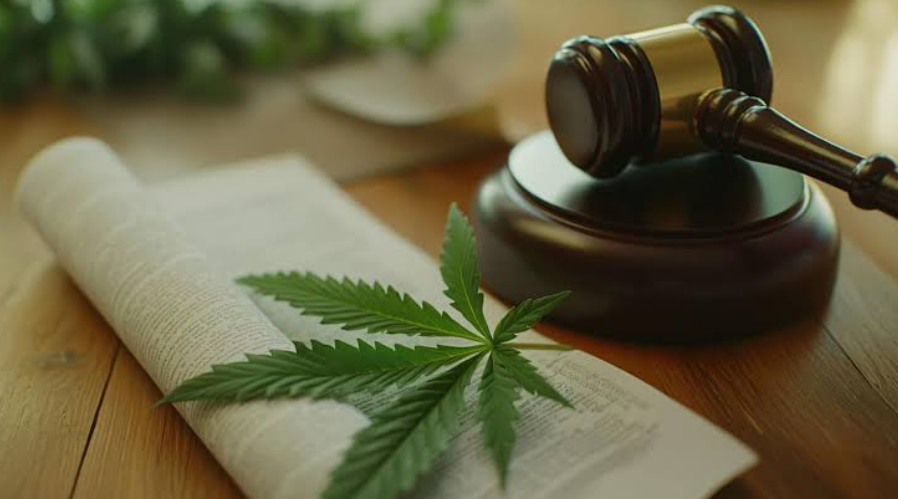
THCa flower has surged in popularity as more Americans seek out non-psychoactive cannabinoids for wellness and recreational purposes. Crafted from cannabis rich in tetrahydrocannabinolic acid, THCa flower is celebrated for its potential health benefits and its unique legal status. Yet, prospective buyers and enthusiasts must pay close attention to how the law treats THCa at the federal and state levels before purchasing or using these products. If you are interested in learning more about what’s available, you can shop now for a variety of options curated to today’s standards.
Determining the legality of THCa flower is more complex than understanding other cannabinoids because of evolving federal mandates and patchwork state laws. This article outlines the intricate legal landscape from Washington D.C. to each state, details major upcoming federal changes through 2026, and provides practical advice for consumers navigating this shifting market.
THCa flower stands at a crossroads, with new choices opening up and others closing as enforcement priorities and statutes rapidly evolve. As demand continues to climb, understanding the real-time legality of THCa is a must for both individual consumers and industry professionals.
Below, you’ll find a comprehensive guide to current and future THCa flower laws, consumer best practices, and the implications of upcoming regulatory changes.
THCa flower’s rise is driven by both therapeutic demand and its perceived compliance with federal hemp laws. THCa (tetrahydrocannabinolic acid) is the non-psychoactive precursor to THC and only transforms into intoxicating delta-9 THC when decarboxylated by heat. This has resulted in a flurry of interest, legal ambiguity, and shifting product offerings over the past several years. The legal nuances involved require ongoing attention to remain compliant and to enjoy safe, legal access to THCa products.
Federal Legal Status of THCa Flower
The 2018 Farm Bill marked a significant milestone by legalizing hemp and products derived from hemp, defined as cannabis with less than 0.3 percent delta-9 THC by dry weight. Initially, this created a safe harbor for THCa flower, since raw products commonly contain very little delta-9 THC. The catch is that once THCa is heated, as in smoking or vaping, it converts to delta-9 THC, which can qualify as illegal cannabis under certain interpretations of the law.
This ambiguity will not last much longer. The 2025 Continuing Appropriations Act introduced a revised definition for hemp, requiring that the total THC content, meaning all THC variants, including decarboxylated THCa, be measured when determining legality. As a result, after November 12, 2026, most THCa flower will become illegal at the federal level, closing the loophole that has persisted since 2018. This is set to have far-reaching impacts on growers, retailers, and consumers alike.
State-by-State Variations in THCa Legality
Individual states have not waited for federal standardization and have instead established their own rules, sometimes even conflicting with federal law:
- Legal/Unrestricted: States such as Florida and North Carolina currently permit the sale and use of THCa products, following the 2018 Farm Bill’s definition of hemp. In these states, the key standard remains the delta-9 THC percentage, making THCa flower readily available.
- Restricted: Regions including California and Tennessee have instituted stricter regulations that measure total THC content (delta-9 plus potential conversion from THCa), which severely limit or ban the availability of high-THCa products.
- Banned/Prohibited: Several states, including Alabama and Idaho, expressly outlaw the sale and possession of THCa products, often under broader cannabis prohibition statutes.
The result is a highly fragmented marketplace where a product purchased legally in one state could be considered unlawful in the next. To stay safe, consumers should always review up-to-date state regulations as they frequently change and are subject to various interpretations by law enforcement and courts.
Upcoming Federal Changes and Their Implications
The forthcoming change in federal hemp policy represents the most significant legislative shift regarding THCa flower in recent years. After November 12, 2026, the legal classification of hemp will expand to include all THC variants that may be present after decarboxylation, not just delta-9 THC in its raw form. This amendment directly impacts producers and retailers relying on the current interpretation and means that the majority of THCa-dominant flower will fall out of compliance and become illegal under federal law.
This adjustment is expected to dramatically reduce the legality and availability of THCa flower nationwide and will require both businesses and consumers to seek alternative compliant products or pursue medical and adult-use channels in regulated cannabis markets.
Consumer Guidelines for Navigating THCa Legality
Given the evolving legal landscape, consumers should take the following steps to reduce risk and improve their experience:
- Stay Informed: Regularly monitor both federal and state laws regarding THCa and other cannabinoid products.
- Verify Product Compliance: Require clear Certificates of Analysis (COAs) from suppliers to confirm total THC content and adherence to all relevant legal standards.
- Understand State Laws: Be keenly aware of unique state rules, as local enforcement and prosecution can differ sharply from neighboring jurisdictions and the federal government’s stance.
Being careful, vigilant, and proactive can make the difference between lawful enjoyment and unintended legal consequences.
See also: Why Legal Representation Matters in Family Law Conflicts
Conclusion
The rapid evolution of federal and state laws governing THCa flower underscores the need for ongoing vigilance. With a sweeping federal ban looming in 2026, both consumers and those in the hemp industry must adapt quickly to this changing environment. State laws may continue to diverge, adding to the complexity, but a clear understanding of both current and coming regulations can help you make informed, confident decisions about the products you purchase or sell.