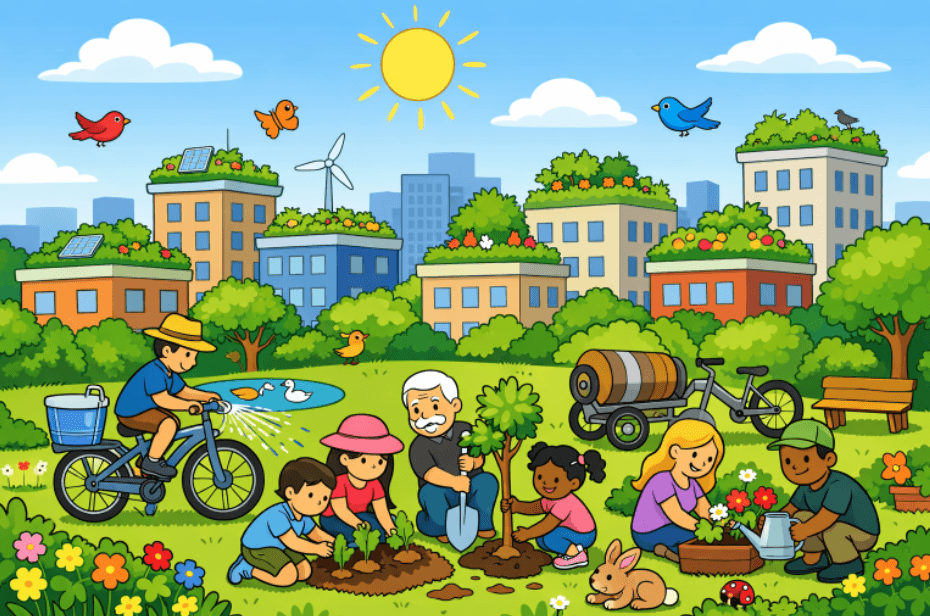
As urban and suburban environments continue to evolve, the role of sustainable landscaping becomes increasingly important for creating visually striking yet environmentally responsible green spaces. Incorporating practices used by luxury landscaping companies can enhance aesthetic appeal and deliver ecological benefits in residential neighborhoods, commercial districts, and city centers. Thoughtful landscaping not only shapes the look and feel of communities but also supports biodiversity, conserves resources, and boosts public well-being.
By adopting innovative landscaping strategies, cities and suburbs can address environmental challenges such as water scarcity, reduce maintenance expenses, and foster deeper community connections. Sustainable approaches, rooted in native plants, smart irrigation, and creative land use, help transform urban areas into thriving, resilient, and inclusive environments.
Water Conservation Through Xeriscaping
Xeriscaping is a landscaping approach that uses as little supplemental irrigation as possible. Instead of large expanses of turf, xeriscapes feature drought-tolerant plants, ground covers, mulches, and efficient watering systems. This method is particularly well-suited for regions prone to drought or with growing populations competing for limited water resources. For example, a landscaping firm in Weatherford, Texas, specializes in xeriscape front-yard designs, demonstrating how effective sustainable landscaping can be for water conservation and long-term savings. This approach uses carefully selected native species that thrive with minimal attention, thereby reducing maintenance needs and preserving local biodiversity. EPA WaterSense: Landscape Design
Transforming Vacant Lots into Green Spaces
Many urban neighborhoods feature vacant lots that, when left untreated, can become eyesores or magnets for dumping. Cities like Philadelphia are leading the way in transforming these spaces into valuable community resources. Through its “Lotscapes” initiative, the city aims to convert underutilized parcels into vibrant public green spaces. These rehabilitated lots offer aesthetic benefits, promote environmental health, and provide accessible green areas that contribute to community pride. Such projects often include native plantings, stormwater management features, and educational signage for residents, as highlighted by Philadelphia’s Lotscapes initiative.
Innovative Approaches to Urban Landscaping
Creative and sustainable landscaping solutions are emerging to address urban challenges. For example, in Dayton, Ohio, a landscaping company utilizes bicycle-powered equipment to maintain city yards and gardens. This method significantly reduces carbon emissions, avoids noise pollution associated with gas-powered tools, and aligns with eco-friendly values. Integrating such inventive practices into urban landscaping improves operational efficiency and supports city-wide sustainability goals, particularly as urban centers aim to reduce their carbon footprints. Read more about sustainable urban practices in The New York Times: Cities Rethink Lawns for Climate Goals.
Integrating Nature into Urban Planning
Promoting biodiversity and wellness in cities extends beyond individual landscaping projects into urban planning. Boulder County, Colorado’s unique toolkit guides planners and developers in integrating native plants and ecological principles into their projects. This toolkit helps cities design green corridors, pollinator pathways, and resilient landscapes that can adapt to the changing climate. Using nature-based solutions within city infrastructure enhances ecosystem services,
such as air purification and temperature regulation, while creating healthier, more enjoyable communities.
Community Engagement in Sustainable Landscaping
The involvement of lessees is critical to the success of sustainable landscaping projects. Community efforts, such as the “tiny forests” movement in Summit, New Jersey, demonstrate how even small urban spaces can be transformed into biodiverse micro-ecosystems. These miniature forests provide essential habitats for wildlife and create natural learning environments for schools and neighbors. By encouraging public participation in planting and stewardship, communities develop a shared sense of ownership and environmental responsibility, further ensuring the longevity and effectiveness of these green space projects.
Economic Benefits of Sustainable Landscaping
Sustainable landscaping is not just environmentally advantageous but also economically prudent. Initiatives like the Harbor Bay Parkway Median project in Alameda, California, have demonstrated tangible savings. By replacing water-intensive turf with low-maintenance, drought-resistant landscaping, the city reduced annual water use by 69 percent and saved approximately $15,000 annually. These financial benefits make a strong case for public and private investment in sustainable landscaping solutions, encouraging broader adoption of these practices.
See also: Understanding Business Loan Options for Entrepreneurs
Challenges and Considerations
Despite the clear advantages, sustainable landscaping projects can face hurdles, including higher initial installation costs, new maintenance routines, and sometimes skepticism from residents unfamiliar with these approaches. Overcoming these barriers requires deliberate planning, ongoing education, and partnerships among government agencies, landscape professionals, and the community. Providing training, guidance, and visible examples of success can facilitate greater acceptance and long-term commitment to sustainable landscaping.
Conclusion
Sustainable landscaping is vital to the future of urban and suburban areas. Employing xeriscaping, reclaiming vacant land, integrating nature into city plans, and prioritizing community engagement allow neighborhoods to flourish both ecologically and socially. With deliberate action and investment, sustainable landscaping transforms developed areas into greener, healthier, and more resilient places for generations to come.