As hurricane season approaches, facility managers need to adopt robust strategies to safeguard physical assets, protect the well-being of occupants, and minimize disruptions to business operations. Proactive preparation goes a long way in reducing hurricane-related risks and maintaining business continuity. Understanding the foundational principles of hurricane facility preparedness is vital, especially with unpredictable weather patterns and evolving threats each year.
Evaluating your facility’s vulnerabilities and readiness is crucial; it can mean the difference between a minor inconvenience and significant business loss. Preparation involves everything from updating emergency plans to coordinating with external partners. Every proactive step taken helps ensure that buildings can withstand severe storms, that employees respond effectively, and that operations can resume quickly after an event.
Creating a robust hurricane preparedness plan is an investment in resilience. Proper preparation not only reduces hurricane-related losses but also accelerates recovery and helps businesses maintain the trust of clients and staff. By integrating comprehensive measures throughout your organization, you protect your company’s vital interests in the face of severe storms.
Assessing Facility Vulnerabilities
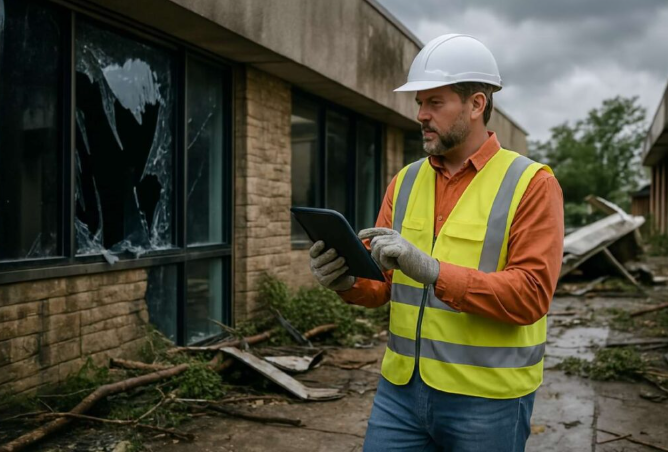
Every preparation begins with a meticulous evaluation of your building’s ability to withstand hurricane forces. This includes examining the roof, walls, doors, windows, and any attached or free-standing external structures. Regular building inspections can identify potential failure points, such as deteriorating roof membranes, weakened window seals, or corroded door hardware. Visible weaknesses found during these assessments should be prioritized for immediate or scheduled remediation to mitigate extensive storm damage.
See also: How Smart CCTV Technology Enhances Security Measures
Developing Emergency Response Plans
A robust emergency response plan is essential for all organizations. These plans should clearly outline evacuation routes, shelter-in-place protocols, and responsibilities assigned by role or department. At least once per year, review the entire emergency response plan with all employees to ensure it is up to date and practical. Include a system for tracking personnel during an event, procedures for disseminating real-time updates, and up-to-date emergency contacts. Regular reviews and drills keep the organization prepared and ready to respond effectively.
Implementing Structural Reinforcements
Facilities can minimize storm damage by proactively reinforcing vulnerable structural elements. Install storm shutters on windows, reinforce exterior doors, and secure all rooftop mechanical equipment. The Federal Emergency Management Agency emphasizes the importance of using corrosion-resistant fasteners and waterproof coatings for rooftop installations to prevent both wind and water damage. Investing in these defensive upgrades can dramatically improve your facility’s ability to withstand pressure changes and flying debris during a hurricane.
Protecting Critical Systems
Business continuity during severe weather depends on protecting power, water, and communication systems. Emergency generators and backup batteries should be regularly serviced, tested, and stored above known flood levels. In regions prone to flooding, electrical and IT systems need to be relocated to higher floors or secured within watertight enclosures. Confirm that all essential fuel supplies are accessible and protected. Implementing these measures reduces downtime and protects critical infrastructure that is essential to operations and recovery.
Conducting Employee Training and Drills
Employee preparedness is as important as physical infrastructure readiness. Schedule training sessions so staff know their responsibilities and how to safely evacuate or shelter in place. Assign clear roles to team leaders who will coordinate communication, emergency gear distribution, and headcounts. Practice both expected and unexpected hurricane scenarios through drills to build employees’ confidence to respond appropriately. These exercises help refine procedures, close gaps in the plan, and ensure every employee feels prepared for actual events.
Collaborating with External Partners
Coordination with external entities adds an important support layer to facility preparedness. Build relationships with local emergency services, restoration firms, and utility providers before hurricane season. Arrangements made in advance can expedite recovery efforts, secure quicker access to critical resources, and grant your facility priority in response times. Establishing pre-storm contracts with restoration companies can prove invaluable in quickly addressing damage and restoring operations when outside resources are limited in the aftermath.
Planning for Post-Storm Recovery
Strong recovery plans enable organizations to resume normal operations as quickly as possible after a hurricane. Establish clear protocols for rapid damage assessment, debris removal, and safe reentry for staff or contractors. Ensure insurance coverage is regularly reviewed and provides robust protection for your facility and assets. Timelines and repair priorities should be determined in advance to prevent confusion or missed steps. A well-documented recovery plan facilitates a smoother transition and reduces the financial impact of business interruptions.
Conclusion
Effective hurricane preparedness at facilities is essential for protecting assets, ensuring employee safety, and maintaining business continuity. By assessing risks, reinforcing structures, safeguarding systems, and training staff, organizations can significantly reduce storm impact. Strategic planning and strong partnerships also support faster recovery, helping businesses resume operations with minimal disruption after hurricanes.