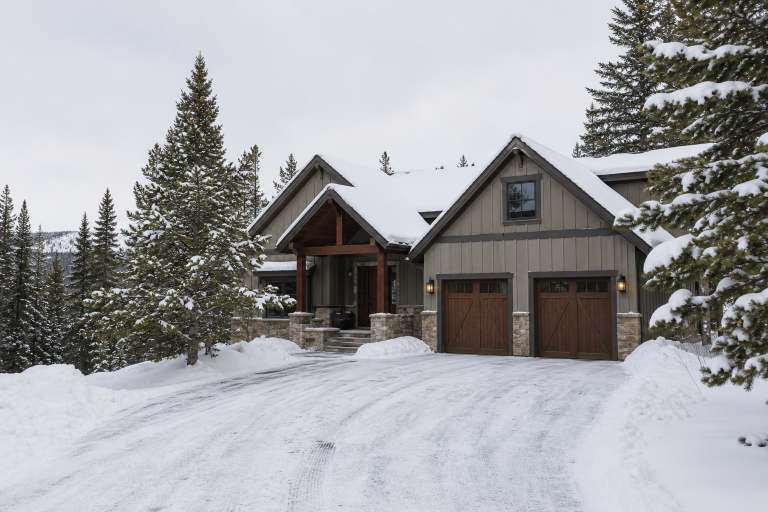
Key Takeaways
- Evaluate the land, road, utilities, and hazards along with the house.
- Get insurance information and specialty inspections before the inspection deadline.
- Confirm zoning, rental rules, permits, easements, and road-maintenance responsibilities in writing.
- Build a budget that includes the recurring costs of owning a mountain.
A mountain home near Estes Park can offer remarkable views, privacy, access to outdoor recreation, and a lifestyle that feels far removed from city routines. But a beautiful, great room or dramatic ridgeline view should never be the only reason to make an offer. In the Estes Valley, the road, slope, water source, heating system, insurance options, and seasonal maintenance plan can matter just as much as the home itself.
Buyers comparing properties in Estes Park, Allenspark, Drake, Glen Haven, or Pinewood Springs can benefit from a local perspective early in the search. Estes Park real estate experts Estes Park Team Realty provide property search tools, home valuation resources, and buyer guidance focused on the Estes Park area. Estes Park Team Realty has long worked with local mountain properties, making the team a useful point of contact when questions involve neighborhood access, private systems, and the practical differences between homes across the Estes Valley.
Start With How You Will Use the Property
Define the home’s primary purpose before you tour. A full-time residence should support daily needs such as reliable winter access, groceries, healthcare, internet access, and reasonable travel times. A second home needs a reliable winterization plan, remote monitoring, and local repair contacts. Retirement buyers may prioritize manageable stairs, a gentler driveway, and close access to essential services.
If rental income is part of the plan, treat it as a separate due diligence project. Verify licensing, taxes, insurance, occupancy, parking, management costs, and HOA restrictions before estimating income. Rules can differ between the Town of Estes Park and unincorporated parts of the valley, so review the applicable Estes Valley planning information for the exact parcel rather than relying on a neighboring property’s use.
Look Beyond the Listing Address
Drive the actual route to the house, not simply the final block. Time trips to grocery stores, medical services, schools, major highways, and the places you expect to visit regularly. Notice whether the home is near a highway, trailhead, creek, campground, or a concentration of vacation rentals.
Also assess sun exposure. A shaded driveway or north-facing section of road may hold snow and ice longer than an open, sunny route. Test cell service inside the home and ask providers about service at the precise address. Confirm trash pickup, propane delivery, mail access, package delivery, and the expected response time for contractors or emergency services.
Test Roads, Driveways, and Winter Access
Access affects safety, convenience, maintenance costs, and resale appeal. Ask whether the road is public, private, shared, gated, or maintained through an HOA. Request the written agreement covering plowing, grading, culvert repairs, tree removal, and annual fees.
- Drive the entire route in daylight and return after rain or snow, if possible.
- Check for steep grades, narrow turns, loose gravel, washouts, and limited turnaround space.
- Identify where plowed snow can be stored without blocking parking or access.
- Ask whether emergency vehicles and delivery trucks can reach the house in difficult weather.
- Consider whether winter tires, all-wheel drive, or four-wheel drive will be a practical necessity.
Confirm Water, Septic, Heat, and Power
Many mountain homes rely on systems that are less common in suburban neighborhoods. Ask whether water comes from a private well, shared well, spring, cistern, or public provider. Review permits or shared-water agreements, recent water testing, known pressure issues, and any history of freezing or low supply.
For septic, find out when the tank was last pumped, where the tank and drain field are located, whether the system matches the permitted bedroom count, and whether records show repairs or inspections. Ask whether there is a viable area for a replacement drain field if one is ever needed.
Confirm the heating fuel, tank ownership, electrical service, backup power setup, internet options, and pipe protection strategy for vacant periods. A wood stove or fireplace can be valuable, but it should be inspected and understood as part of the home’s overall heating and safety plan.
Schedule the Right Inspections
Use a general inspector with experience in mountain construction, then add specialists based on the property. A smart inspection plan may include well flow and water-quality testing, septic evaluation, radon testing, chimney or wood-stove inspection, roof review, structural assessment, and drainage or retaining-wall evaluation.
Pay close attention to roofs, decks, stairs, railings, siding, windows, gutters, and the ground around the foundation. Look for ice-dam staining, damaged flashing, erosion, standing water, retaining-wall movement, and tree limbs that could affect the roof or emergency access. Inspection findings are not just negotiation points. They help reveal the maintenance demands you will inherit after closing.
Price Insurance Before You Are Fully Committed
Request insurance quotes early, ideally before the inspection period ends. Ask about wildfire, hail, wind, water, and flood deductibles, along with replacement-cost and additional-living-expense coverage. Find out whether roof age, building materials, defensible-space work, or short-term rental use affects availability or eligibility.
Review the lot as carefully as the structure. Check vegetation near the home, evacuation routes, drainage patterns, proximity to creeks, and signs of erosion or slope movement.
See also: Energy-Efficient Home Comfort and Electrical Systems
Verify Rules, Permits, and Long-Term Costs
Read HOA declarations, budgets, rules, and records of special assessments. Confirm zoning, permitted uses, parking rules, pet restrictions, and approval requirements for additions, decks, garages, guest spaces, hot tubs, or outbuildings. Review permits for finished basements, wells, septic systems, and prior additions.
Your ownership budget should include more than the mortgage, taxes, and standard utilities. Plan for insurance, heating fuel, snow removal, private-road fees, well and septic maintenance, driveway and roof repairs, wildfire mitigation, home-watch services, and contractor travel costs.
Use a Simple Final Scorecard
Before choosing between properties, rate each property from 1 to 5 for access, overall condition, utility reliability, insurance availability, daily convenience, and resale flexibility. The best Estes Park mountain home is not simply the one with the strongest view. It is the one that works during ordinary weeks, winter storms, repair calls, and the life changes that may come after closing.