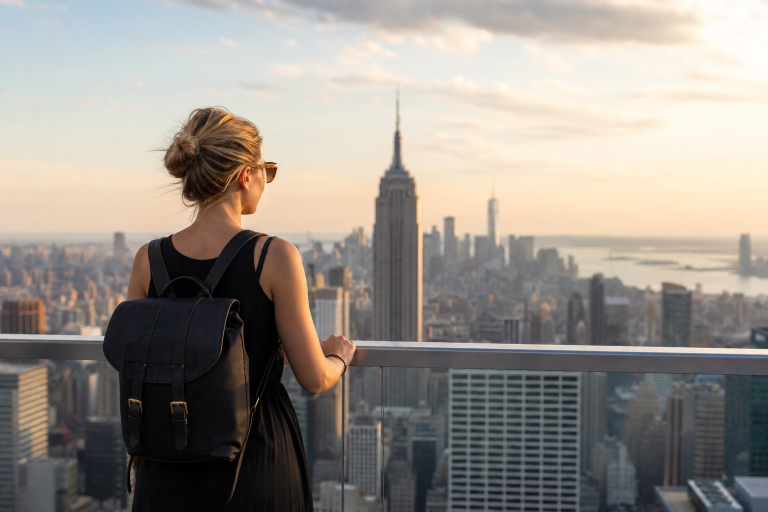
New York City can feel impossible to cover in one day, especially for first-time visitors. The best solution is not to race between every landmark. It is to choose a clear skyline goal, then build the rest of the day around it. Whether you prefer a high-rise panorama, a bridge walk, or a waterfront view, browsing NYC observation decks can help you decide which paid experience deserves the center of your itinerary. A satisfying one-day visit should feel full but not frantic. Plan for one major attraction, a few nearby outdoor stops, a good meal, and enough unstructured time to notice the details that make New York memorable: changing neighborhoods, street life, architecture, and unexpected views between buildings.
Why One Day in New York City Needs a Clear Plan
Distances on a map can be misleading. A short route may include long blocks, crowded sidewalks, traffic lights, subway entrances, security lines, elevators, and the occasional wrong turn. Four major attractions spread across Manhattan and Brooklyn can quickly become a day spent watching the clock. Instead of building an overloaded schedule, use a focused formula: one ticketed skyline stop, one or two free viewpoints, a meal near your route, and a flexible block for wandering or resting. This approach leaves room for real travel conditions while still giving the day a sense of purpose.
See also: Practical Financial Wellness Tips for Everyday Life
Start With the View That Matters Most
Choose the kind of view you want before booking anything else. A high observation deck delivers a broad, dramatic perspective and a strong sense of the city’s scale. A bridge walk feels more active and architectural. A waterfront park offers space to slow down, while a harbor ride gives Lower Manhattan a completely different angle. Your preferred view should determine your neighborhood. For example, a Lower Manhattan and Brooklyn route can combine the Brooklyn Bridge, DUMBO, and Brooklyn Bridge Park’s waterfront paths without forcing you to cross the city repeatedly. A Midtown route, by contrast, works better for visitors who want a central observation deck, public plazas, and nearby museums or parks.
Build the Route by Neighborhood
Think in clusters, not checklists. Pick one area for the morning, remain nearby for lunch, then make only one meaningful move in the afternoon. A one-direction route is especially useful. You might begin in Midtown and head south, or start in Lower Manhattan before walking into Brooklyn for evening views.
- Midtown route: Best for a classic elevated city view, major landmarks, indoor attractions, and easy access to several subway lines.
- Lower Manhattan route: Best for historic streets, harbor views, the bridge area, and a transition toward Brooklyn.
- Brooklyn route: Best for open waterfront space, a view back toward Manhattan, neighborhood browsing, and a slower afternoon.
Plan a Calm Morning
Begin near your first planned stop. Have breakfast within walking distance, then spend 20 to 40 minutes in a park, plaza, or historic area before heading to the main attraction. Early hours can offer cooler temperatures and a less rushed start, although crowds will always vary with weather, holidays, school breaks, and events.
- Eat breakfast near the first neighborhood.
- Take a short outdoor walk and get photos before the day becomes busier.
- Arrive at the ticketed attraction early enough for security and entry procedures.
- Do not schedule another fixed reservation immediately afterward.
Use Midday to Protect Your Energy
After a major attraction, permit yourself to slow down. Midday is the right time for lunch, a museum, a café, or a shaded public space. You do not need to fill every hour with another famous stop. A longer break can make the later skyline experience feel far more enjoyable. A practical rule is to choose only one additional activity after lunch: either a cultural stop or an outdoor walk. Carry water and a small snack, particularly if your plan includes a bridge or waterfront route. In rain, heat, or strong wind, swap the long walk for an indoor attraction and save the outdoor view for later if conditions improve.
Make the Afternoon Walkable
The afternoon is ideal for a bridge, park, riverfront, or neighborhood where the view unfolds gradually. Walking adds texture to a skyline-focused day because you see the city at street level before looking over it from above. If you head toward Brooklyn, leave extra time to enjoy the path rather than treating it as a commute. Manhattan viewpoints put you close to major attractions and the city’s dense energy. Brooklyn viewpoints create more breathing room and frame Manhattan as a single dramatic skyline. Neither is automatically better. Choose Manhattan for convenience and intensity, or Brooklyn for a wider, more relaxed perspective.
Choose the Best Time for Photos
Morning light can feel crisp and clear, while afternoon light often brings out architectural detail. Sunset creates dramatic color changes, but it can also mean more visitors and longer waits for a good position. Night views emphasize illuminated windows, moving traffic, and the city’s constant energy. Check the sunset time for your exact travel date, then work backward. Allow for walking, security, elevators, restroom breaks, and finding a viewing spot. A sunset ticket that begins at sunset may be too late if the goal is to watch the sky change gradually.
Keep Transportation Simple
For longer trips, public transit is often more predictable than driving, particularly in congested areas. Before leaving each stop, check the current subway service information and keep one alternate route in mind. Also allow extra time for station exits, transfers, and street crossings.
- Avoid booking a fixed-time attraction immediately after a long cross-town trip.
- Walk when two stops are genuinely close, but do not underestimate the distance.
- Wear shoes suitable for several hours on pavement and stairs.
- Keep dinner near your final activity or near the route back to your hotel.
Account for Weather and Accessibility
The weather can completely change the best version of your itinerary. Rain may favor museums and enclosed viewpoints. Heat may call for an earlier outdoor walk and a longer indoor lunch. Wind can make exposed decks, bridges, and waterfronts uncomfortable, even on an otherwise pleasant day. Before booking, review official accessibility details for entrances, elevators, ramps, seating, restrooms, and service-animal policies. Temporary maintenance and weather conditions can affect access, so verify details again on the day of your visit.
What to Reserve and What to Keep Flexible
Reserve timed attractions, popular restaurants, special events, and harbor trips with set departures. Keep park walks, photo stops, neighborhood browsing, casual snacks, and second-choice museums flexible. Flexibility is useful, not wasted time. It lets you wait out a shower, linger over a view you love, or rest before dinner.
Final Planning Checklist
- Pick one main skyline experience.
- Group the rest of the day by neighborhood.
- Check entry rules, transit conditions, weather, and sunset time.
- Plan one indoor backup option.
- Leave at least one open block in the schedule.
- Choose a final meal close to your evening stop.
Conclusion
The number of attractions completed does not measure a successful one-day New York City itinerary. It is measured by how well the day flows. With one clear skyline goal, a neighborhood-based route, practical breaks, and a little flexibility, you can leave with memorable views and a real sense of the city instead of a blur of rushed photographs. Plan around the time of day, weather, and your preferred pace, especially if you want to enjoy sunrise, sunset, or nighttime city lights. Leave extra time for walking, unexpected discoveries, meals, and short rest stops. A flexible schedule also makes it easier to adjust when crowds, transportation delays, or changing weather affect your plans. By focusing on a few meaningful experiences rather than trying to see everything, you can enjoy New York City more comfortably and finish the day with memories that feel personal rather than hurried.