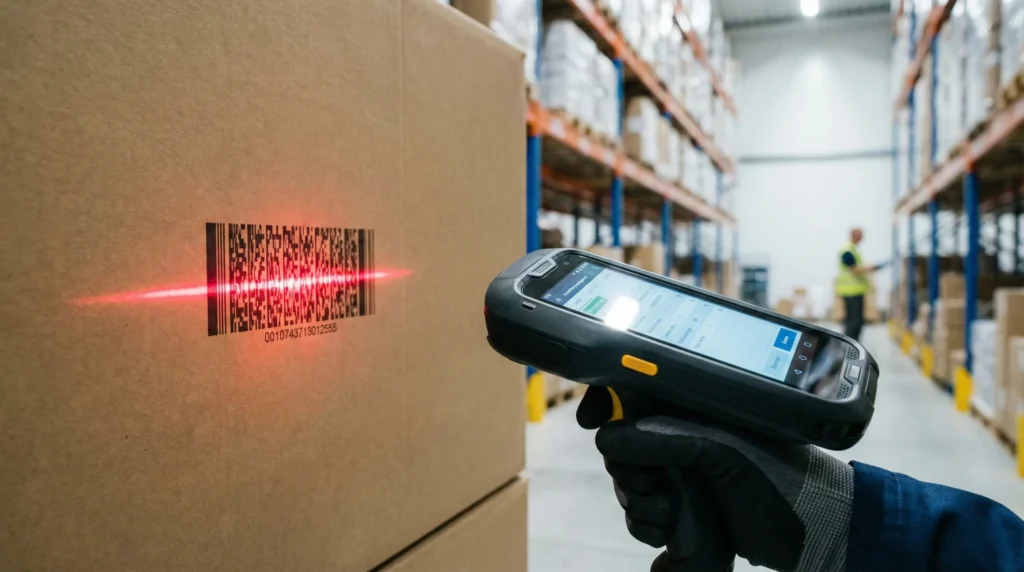
Supply chains today are under greater pressure than ever to achieve seamless traceability while meeting tough regulatory standards. Accurate barcode compliance is pivotal for manufacturers, retailers, pharmacies, and logistics companies. Advanced tools and new integrated approaches have become essential for organizations to maintain efficiency and reduce costly errors throughout every step of the supply chain. Modern solutions, such as pharma packaging and labeling systems, are now delivering greater reliability and agility across the entire compliance workflow, especially in regulated markets such as pharmaceuticals. As businesses adapt to rapid changes and customer expectations, cutting-edge innovations enable real-time quality control and data integrity for barcodes across products. With fail-proof tracking on the line, these technologies not only support industry requirements but also improve operational effectiveness and consumer trust. From inline verification and AI-powered scanners to UV-readable labels and RFID integration, every advancement shapes a more responsive supply chain. Staying informed about these breakthroughs is vital for companies seeking to future-proof their systems and maintain compliance in ever-evolving markets. Across industries, barcode compliance is no longer just a quality assurance checkbox; it is a competitive differentiator and a necessity for long-term success. Manufacturers and suppliers can now leverage innovative solutions to drive transparency and build resilience for tomorrow’s supply networks.
Real-Time Barcode Verification
Inline verification technologies have revolutionized quality control by enabling manufacturers to confirm barcode readability and compliance immediately after printing. Unlike periodic manual sampling, real-time verification on production lines dramatically reduces errors and waste, and increases product traceability. For example, solutions such as Omron’s VHV5 inline verifier allow evaluation of hundreds of barcode types at speeds previously impossible. This not only ensures ISO compliance but also enables more granular traceability in tightly regulated fields such as pharmaceuticals and automotive manufacturing. Real-time verification tools deliver actionable data, empowering teams to detect and address issues early rather than recalling products later in the supply chain. Automated systems are helping businesses meet tough industry standards, such as GS1 and ISO/IEC, while drastically reducing human intervention and oversight costs.
AI-Powered Barcode Readers
Artificial intelligence is transforming barcode scanning. Modern AI-powered readers decipher even poorly printed, damaged, or obscured barcodes with precision, thanks to adaptable machine learning algorithms. Datalogic’s AI Loss Prevention Suite, for instance, equips retailers with automated produce recognition and ticket-switching detection, enabling faster, more accurate checkout operations. These smart scanners lower shrinkage and boost efficiency, adapting across various product types without manual configuration. AI-enabled barcode solutions also analyze historical scanning data, helping retailers recognize patterns and prevent revenue loss. This reduces human error and increases consistency, improving both back-end and front-facing operations within supply chains. Enhanced data capture and fraud detection are increasingly essential as e-commerce and omnichannel strategies grow.
UV-Readable Labels for EPR Compliance
Extended Producer Responsibility (EPR) regulations are pushing brands to adopt traceable, eco-friendly labeling. UV-readable labels integrate invisible UV tags directly into packaging, allowing real-time tracking and verification throughout the recycling and logistics process. Interket UK and Polytag have developed label solutions that let brands monitor and audit recycling rates at the unique barcode level, supporting sustainability objectives while demonstrating a high level of compliance. By embedding UV codes into consumer packaging, companies gain critical insights into the life cycle and recovery rate of their products, an essential element for EPR compliance and brand transparency initiatives.
See also: Understanding Business Loan Options for Entrepreneurs
RFID Integration in Industrial Scanning
Integrating RFID technology with traditional barcode scanning combines the best of both worlds. Devices such as Datalogic’s PowerScan 9600 RFID series enable seamless barcode and Ultra High Frequency (UHF) RFID tag reading with a single device. This streamlines data capture across inventory, logistics, and warehousing operations, significantly reducing manual cycle times for asset checks and product movement.
The adoption of hybrid devices helps organizations reduce errors, automate compliance audits, and enhance overall inventory visibility, leading to more robust and agile supply networks.
Enhancing Pharmacy Labeling for DSCSA Compliance
Pharmacies are increasingly turning to sophisticated labeling software to comply with the Drug Supply Chain Security Act (DSCSA). Pearson Medical Technologies’ m: Print® v4 software leverages rules-based automation and 1-Click Print® technology to optimize repackaging and labeling. This software rapidly extracts complex barcode data, including product IDs and expiration dates, supporting strict safety standards and minimizing patient risks. Comprehensive DSCSA compliance also enhances transparency across the pharmaceutical supply chain, strengthening industry-wide efforts to safeguard consumers from counterfeit or compromised medications.
Future Trends in Barcode Compliance
The future of barcode compliance lies in deeper integration with AI, blockchain, and the Internet of Things (IoT). These advancements enable secure, real-time data sharing, greater automation, and improved visibility within increasingly complex supply chains. Blockchain-driven records, for example, can provide immutable proof of origin for shipments, helping create tamper-proof audit trails while boosting trust and accountability across networks.
As organizations face evolving regulatory frameworks and heightened consumer expectations, investing in cutting-edge barcode and data management tools will be critical to sustaining operational excellence and regulatory integrity for years to come.
Conclusion
As supply chains continue to evolve, barcode compliance has become a fundamental component of accuracy, transparency, and regulatory success. From real-time verification and AI-powered scanning to RFID integration and sustainable labeling solutions, modern technologies are helping organizations improve traceability while reducing errors and operational risks. Businesses that embrace these innovations can better adapt to changing regulations, enhance product visibility, and strengthen relationships with customers and partners. The future of barcode compliance will depend on continued investment in automation, intelligent data systems, and connected technologies that enable faster, more reliable decision-making. By adopting forward-thinking solutions and maintaining a proactive approach to compliance, companies can create more resilient supply chains, improve efficiency, and remain competitive in increasingly regulated industries. Advanced barcode strategies are no longer just operational tools, as they are essential drivers of trust, quality, and long-term business success.