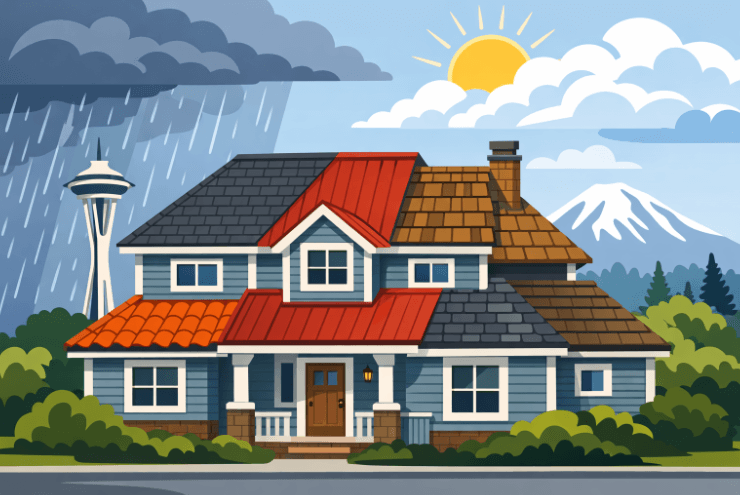
Protecting your home in Seattle, WA, means facing a unique blend of challenges, from steady rainfall to periods of intense sunshine and even the occasional windstorm. Selecting the best roofing material is more than just a matter of curb appeal; it is an investment in your home’s protection, comfort, and long-term value. Whether you’re building a new roof or replacing an aging one, understanding your options is the first step. If you’re unsure where to start or need professional advice, a reputable roofing company in Seattle, WA can help guide you through the process.
Seattle’s climate demands roofing materials that can withstand persistent moisture, resist algae growth, and prevent leaks. The right choice will not only enhance your home’s appearance but also improve energy efficiency and reduce maintenance requirements. In a region where sustainability and eco-friendliness are increasingly valued, your selection can also reduce your environmental footprint.
Understanding local roofing trends and limitations can help you avoid costly mistakes. For example, heavier materials such as slate or clay may require your home’s framing to be evaluated by a structural engineer. Homeowners often balance long-term durability with upfront cost when considering Seattle’s weather patterns, and this guide is designed to simplify your research.
Stay current with Seattle’s building codes and energy-efficient roofing incentives by checking reliable sources such as the Seattle Department of Construction & Inspections.
Asphalt Shingles
Asphalt shingles are the top roofing choice in Seattle, thanks to their affordability, variety, and ease of installation. These shingles are designed to repel water and can withstand the moist environment, reducing the risk of leaks and algae growth. Asphalt shingles typically last between 15 and 30 years, making them a reliable option for many homeowners. Maintenance is straightforward, and replacing a damaged shingle is relatively simple. However, intense storms and prolonged wetness may slightly shorten their lifespan, especially without periodic inspections. Learn more about their advantages from Better Homes & Gardens.
Metal Roofing
Metal roofing has become progressively more popular throughout Seattle and the Pacific Northwest. These roofs boast exceptional durability, lasting 40 to 70 years with proper maintenance. Their reflective properties make metal roofs energy-efficient, keeping your home cooler during the rare but intense sunny spells. Metal also resists moss and mildew, which are common concerns in Seattle’s damp climate. The higher upfront investment pays off through longevity and lower cooling bills. However, you should ensure professional installation to minimize noise during rain and prevent improper fastening.
Wood Shakes and Shingles
Embodying the natural beauty often associated with the Pacific Northwest, wood shakes add a rustic, charming touch to Seattle homes. Made from cedar, redwood, or pine, these roofs provide strong insulation, keeping homes warm in winter and cool in summer. However, wood roofing requires vigilant maintenance to prevent decay, mold, and insect infestation since Seattle’s rainy weather can accelerate deterioration. Treated varieties are available to help reduce these risks and increase fire resistance. Expect a lifespan of around 20 to 30 years with regular care.
Clay and Concrete Tiles
Clay and concrete tiles stand out for their distinct, timeless aesthetic. Often seen on Spanish- or Mediterranean-style homes, these tiles can last 50 years or more. Their density and durability make them highly resistant to fire and insect damage. For Seattle homeowners, these tiles offer excellent rain-shedding capabilities, but their significant weight means your home must be structurally evaluated before installation. Additionally, they are more susceptible to cracking during freeze-thaw cycles, which, although rare, can occur in the area.
Slate Roofing
Slate is considered the gold standard for longevity, with some roofs lasting over 100 years. A slate roof’s elegant and classic appearance can elevate a Seattle home’s curb appeal and value. Slate naturally resists fire, mold, and moisture penetration, all of which are significant advantages in the city’s wet climate. On the other hand, slate is quite heavy and requires professional expertise for installation. Its cost is the highest among commonly used materials, and repairs can be challenging due to the material’s weight and fragility.
Synthetic Roofing Materials
Synthetic materials, including rubber, plastic composites, and polymer blends, are engineered to resemble more expensive natural materials like slate or wood shakes. These options are lightweight, affordable, and durable, offering an attractive solution for those seeking performance and style without the high cost of traditional options. Synthetic roofing often provides excellent resistance to impact, moisture, and UV rays, making it a smart fit for Seattle’s changing weather. Another advantage is the ease of installation and the potential for eco-friendly manufacturing practices.
See also: Simple and Reliable Personal Safety Options for Your Home
Factors to Consider When Choosing Roofing Materials
- Climate Adaptability: Seattle’s persistent rainfall and moderate temperature shifts necessitate weather-resistant, moisture-repellent materials to prevent premature damage and mold.
- Budget Constraints: Consider both initial costs and ongoing expenses. Asphalt is budget-friendly, whereas slate may require a larger investment but less frequent replacement.
- Architectural Compatibility: Choose a roofing style that complements your home’s design. For example, clay tiles on a contemporary home may seem out of place.
- Structural Considerations: Heavier materials require an assessment of your home’s framing and support systems to ensure they can safely accommodate their weight.
- Energy Efficiency: Materials like metal and certain synthetics can improve your home’s insulation and help reduce energy bills over time.
Conclusion
In Seattle, WA, the right roofing material helps protect against moisture and variable weather while enhancing your home’s value and appearance. Weigh your choices carefully, matching your lifestyle, budget, and architectural goals to the strengths of each available option, and consult with local experts as needed to ensure the best result. An informed decision now means years of security and satisfaction ahead for your home.