You know something is off before your child even says it. They stop eating the foods they usually love, they wince when they drink juice, and brushing teeth turns into tears. Mouth sores can make an ordinary day feel long for both of you. Your child hurts, you want quick relief, and it is not always easy to tell whether you are dealing with a canker sore, a fever blister, or general irritation inside the mouth. If you are looking for a kids dentist in Moreno Valley, CA, understanding these symptoms can help you decide when to seek care.
The good news is that most mouth sore flare ups can be managed at home with a few simple changes while you keep an eye on symptoms that need medical or dental care. These 7 ways to soothe a child’s mouth sores focus on comfort, hydration, gentle cleaning, and knowing when to call a pediatric dentist.
Children with mouth sores often need comfort before treatment
A sore inside the mouth looks small, but to a child it can affect everything. Eating hurts. Talking can sting. Sleep gets disrupted because the pain does not fully switch off. Some children become clingy or irritable. Others go quiet and refuse snacks, which can leave you worried about dehydration on top of the pain itself.
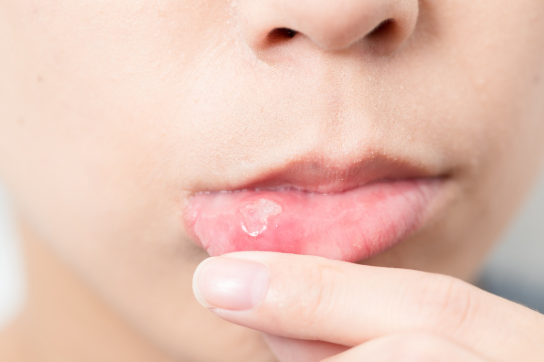
According to the National Institute of Dental and Craniofacial Research guidance on fever blisters and canker sores, these sores have different causes and may show up in different places, which is one reason parents often feel unsure about what they are seeing. A canker sore usually appears inside the mouth. A fever blister tends to show up on or around the lips and is caused by a virus. That difference matters because it affects how you handle contact, hygiene, and when to seek help.
See also: Building a Healthier Life Through Smart Food, Home Care, and Lifestyle Choices
Soft foods and cool drinks reduce friction on sore spots
If your child says everything burns, believe them. Acidic, salty, crunchy, and spicy foods can turn a mild sore into a miserable one. Orange juice, tomato sauce, chips, and toast often make pain worse. Soft, bland foods are usually easier to tolerate. Try yogurt, applesauce, oatmeal, mashed potatoes, scrambled eggs, smoothies, or lukewarm soup if heat does not sting.
Cold can help too. Ice chips, chilled water, and popsicles may calm the area and make drinking easier. The goal is not perfect nutrition for a day or two. The goal is keeping your child comfortable enough to eat and drink something while the sore settles down.
Gentle oral care keeps the mouth clean without adding pain
Children still need oral hygiene during a flare up, but regular brushing can feel harsh. Use a soft toothbrush and a light touch. If toothpaste burns, a small amount of bland toothpaste or even brushing gently with water may feel better for a short time. Rinsing after meals can also help remove food debris that sits against the sore.
For older children who can rinse and spit safely, the MedlinePlus overview of mouth sores notes that mouth irritation can have many triggers, from minor injury to infection. A simple saltwater rinse may soothe the area for some children. Keep it mild. If rinsing causes more pain, stop.
Pain control matters when a child is refusing food and fluids
Pain relief can make the difference between a child taking a few sips and refusing everything. If your pediatrician says it is appropriate, age based over the counter pain medicine may help. Follow label directions carefully. Avoid putting adult products or strong topical numbing gels in a child’s mouth unless a medical professional has told you to use them.
This is where many parents get stuck. The sore may not look dramatic, yet your child is acting like it is a major problem. That reaction makes sense. The mouth is used constantly, and even a small lesion can hurt over and over all day long.
Hydration is one of the clearest signs of how serious the flare up is
Watch what your child drinks more than what they eat at first. A child can manage with lighter meals for a short period, but poor fluid intake can become a bigger concern quickly. Dry lips, less frequent urination, crying without many tears, and unusual sleepiness can point to dehydration.
The MedlinePlus information on dehydration explains that children can lose fluids faster than adults, especially when pain keeps them from drinking. Offer small sips often instead of pushing a full cup all at once. A straw may help some children avoid sore areas. For others, it makes contact worse. Follow their lead.
Comfort care and dental care each have a place during a mouth sore flare up
| At Home Comfort Measure | How It Helps | When to Call a Pediatric Dentist or Doctor |
| Soft, bland foods | Reduces rubbing and stinging | If your child refuses all food for more than a day |
| Cool water, ice chips, popsicles | Soothes soreness and supports hydration | If your child will not drink or shows dehydration signs |
| Soft toothbrush and gentle cleaning | Keeps the mouth cleaner without adding much pain | If brushing reveals swelling, pus, or bleeding that does not stop |
| Age appropriate pain relief | Makes eating, drinking, and sleeping easier | If pain remains severe despite basic care |
| Avoiding acidic and spicy foods | Prevents repeated irritation | If sores keep returning or last longer than 2 weeks |
Helping kids through mouth sores is often enough at home, but some cases need a closer look. Frequent sores, very large sores, fever, swollen gums, trouble swallowing, or sores that do not heal should be evaluated. A pediatric dentist can check whether the issue is from irritation, bite trauma, orthodontic appliances, infection, or another oral health problem.
Three steps you can take right away
1. Change the menu for the next 24 hours. Offer cool, soft foods and skip citrus, chips, salsa, and anything rough or acidic. This one change often lowers pain fast.
2. Track fluids and bathroom trips. Count sips, not just meals. If your child is drinking less and urinating less, treat that as a warning sign.
3. Check the sore once a day, not every hour. You are looking for size, color, swelling, and whether new sores appear. Constant checking can stress your child and does not speed healing, but a daily look helps you notice when a child mouth sore relief plan is not enough and a pediatric dentist should step in.
A calm plan can make the next few days easier
Mouth sores can throw off eating, brushing, sleep, and your child’s mood all at once, so if you feel worn down by it, that makes sense. Most flare ups improve with gentle care, good hydration, and pain control that fits your child’s age. When symptoms are lasting, severe, or paired with dehydration or fever, reach out to a pediatric dentist for guidance and treatment.
Pediatric dentist care can help when the sore is not healing, keeps coming back, or seems tied to a dental issue inside the mouth.