Key Takeaways
- Insulation slows heat transfer, while air sealing limits unwanted airflow.
- These upgrades usually deliver better results when completed as one coordinated project.
- Uneven temperatures, drafts, dusty rooms, and rising energy bills can point to attic-related issues.
- Roof leaks, ventilation paths, wiring, ducts, and combustion equipment should be checked first.
Your attic has a major effect on how every room feels, even though it is rarely a space people think about day to day. When heat, air, and moisture move through the attic unchecked, bedrooms may become stuffy in summer, downstairs rooms may feel chilly in winter, and heating and cooling equipment may work harder than necessary. Homeowners considering Attic Insulation Denver services should view insulation and air sealing as connected improvements, not separate jobs. A well-planned attic upgrade begins by identifying leaks, moisture concerns, and ventilation needs before new materials are installed. That order matters because adding insulation over unresolved problems can hide damage, restrict airflow, or reduce the effectiveness of the work.
Why The Attic Affects The Whole Home
The attic forms a boundary between conditioned living areas and changing outdoor temperatures. During winter, warm indoor air naturally moves upward and can escape through gaps around pipes, wiring, light fixtures, and framing. During summer, heat absorbed by the roof can radiate downward into rooms below. If insulation is thin, uneven, compressed, or bypassed by leaks, your HVAC system must compensate for it. For example, an upstairs bedroom that stays warm long after the rest of the home cools down may not automatically mean the air conditioner is failing. The room could be affected by attic heat, insufficient insulation, leaky ductwork, or openings in the ceiling plane. A careful inspection helps identify the actual cause before money is spent on the wrong repair.
See also: Emerging Technologies Transforming Barcode Compliance in Modern Supply Chains
Insulation And Air Sealing Do Different Jobs
Insulation slows the transfer of heat through the attic floor or roof assembly. Air sealing closes cracks and openings that allow indoor air to leave and outdoor air to enter. Think of insulation as a warm coat and air sealing as closing its zipper. A thick coat offers less protection when cold air can blow through an open front. Air movement can pass around, through, or beneath insulation, which is why simply adding more material may not solve a comfort issue. Sealing major openings first helps insulation perform more consistently across the attic.
Common Signs Of Attic Performance Problems
- One or more rooms feel noticeably warmer or colder than nearby rooms.
- The furnace or air conditioner runs for long periods without maintaining comfort.
- Drafts appear near recessed lights, ceiling fixtures, or attic access hatches.
- Insulation looks dusty or has dark streaks that suggest air movement.
- Utility costs rise without a clear change in household energy use.
- There are musty odors, damp spots, frost, roof leaks, or ice buildup at the roof edges.
These symptoms can have multiple causes, including windows, doors, crawl spaces, ducts, or HVAC equipment. ENERGY STAR identifies drafts, uneven room temperatures, high bills, dust, and ice dams as common signs worth investigating during an attic air sealing assessment.
What A Proper Attic Check Should Include
- Measure existing insulation depth and note areas that are missing, settled, wet, or damaged.
- Look for openings around plumbing pipes, electrical wiring, ducts, top plates, soffits, and ceiling fixtures.
- Inspect framing and roof decking for leaks, mold, pests, stains, or rot.
- Review soffit, ridge, gable, or other ventilation paths to make sure they remain open.
- Check whether the attic hatch fits tightly and is insulated.
- Identify fuel-burning appliances that may need combustion safety testing before and after sealing work.
Choosing Between Common Insulation Materials
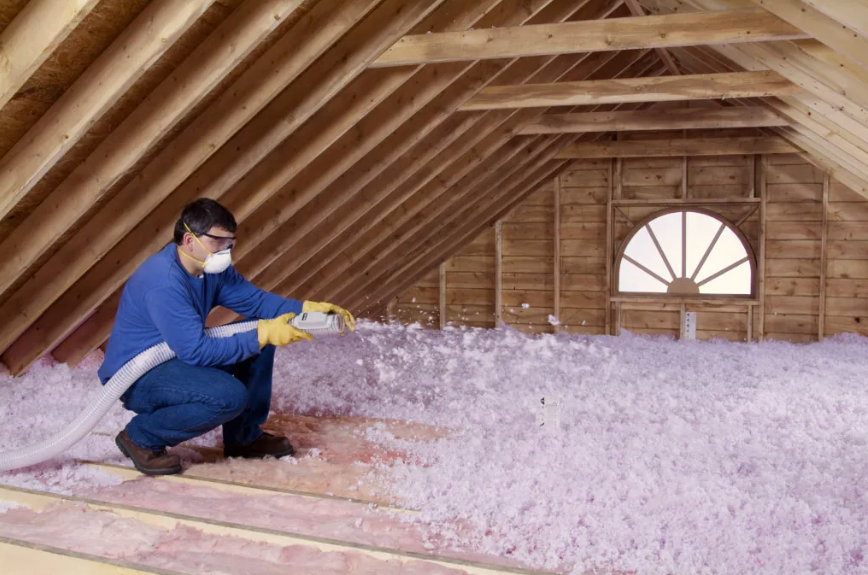
There is no single best insulation for every attic. Blown fiberglass can efficiently cover broad, open attic floors. Cellulose, commonly made with recycled paper fibers, is another loose-fill option that can cover irregular areas. Fiberglass batts may work in accessible spaces when they are carefully cut and fitted without gaps. Spray foam can provide air control in certain roof or wall assemblies, but it requires thoughtful design and trained installation.
The right material depends on the attic layout, target R-value, current insulation, moisture conditions, ventilation strategy, budget, and local building requirements.
Why Air Sealing Usually Comes First
Major gaps should be addressed before insulation is added. Common leakage points include plumbing penetrations, wiring holes, open wall cavities, dropped soffits, duct chases, attic hatches, and gaps around recessed lights. Once these areas are sealed correctly, insulation can be restored or installed over them for more complete coverage. Not every opening can be treated with ordinary foam or caulk. Chimneys, flues, older recessed lights, and electrical components may require heat-resistant materials, protective clearances, or an electrician’s review. Air sealing also must not block attic ventilation channels.
Ventilation, Moisture, And Safety Checks
Fix roof leaks before installing insulation. Bathroom, kitchen, and dryer exhaust should discharge outdoors rather than into the attic, where moisture can contribute to mold and framing damage. Baffles or ventilation chutes may be needed to keep soffit intake paths clear after loose-fill insulation is installed. Wet, moldy, pest-contaminated, or severely damaged insulation may need to be removed. Older homes may also contain knob-and-tube wiring or vermiculite insulation. Vermiculite should not be disturbed until it has been evaluated for possible asbestos content.
DIY Or Professional Work?
DIY May Fit When:
- The attic is easy to access, dry, and safe to move through.
- There are no known moisture, mold, wiring, or combustion safety concerns.
- The homeowner can use protective equipment and walk only on framing or supported paths.
Professional Help Makes More Sense When:
- Access is tight, headroom is limited, or the attic has complex framing.
- Leaks are widespread, insulation is contaminated, or ventilation needs correction.
- The project involves electrical work, duct repairs, major removal, spray foam, or fuel-burning appliances.
How To Compare Project Estimates
- Confirm that air sealing is included before insulation installation.
- Ask for the insulation type, target R-value, and planned coverage depth.
- Clarify whether old insulation will remain, be removed, or be repaired.
- Ask how vents, ducts, lights, chimneys, and attic access points will be handled.
- Request cleanup details, photos, and final documentation.
- Compare the complete scope of work, not only the total price.
What Results Should Homeowners Expect?
A properly completed project can create steadier indoor temperatures, reduce drafts near the ceiling, improve comfort in rooms below the attic, and reduce unnecessary HVAC runtime. Savings depend on climate, utility rates, home age, existing leakage, insulation levels, and daily household habits, so a fixed payback period should not be promised.
Questions Homeowners Often Ask
Can New Insulation Be Added Over Existing Insulation?
Often, yes, if the existing material is dry, clean, and still functional. Wet, moldy, pest-damaged, or contaminated insulation should be evaluated before it is covered.
Will Attic Work Fix Every Draft?
No. Attic improvements address many ceiling-level leaks, but drafts can also come from windows, doors, walls, foundations, crawl spaces, and ductwork.
When Is The Best Time To Schedule The Work?
Attic work can be completed in most seasons. Mild weather may make inspections easier, while local contractor schedules and available rebates may affect timing.
A Simple Attic Upgrade Plan For 2026
- Track uncomfortable rooms and review recent utility bills.
- Arrange an attic inspection or home energy assessment.
- Repair roof leaks and moisture sources first.
- Seal major air leaks, then install appropriate insulation.
- Protect ventilation paths, access points, and attic equipment.
- Review final photos and monitor comfort after the project.
Conclusion
A comfortable attic is about more than simply adding insulation. Air leakage, moisture control, proper ventilation, electrical wiring, safety clearances, and installation quality all play important roles in how well the space performs. Addressing these factors together can help improve indoor comfort, reduce energy waste, and protect the home from long-term issues such as mold, ice dams, or moisture damage. Before investing in additional insulation, it is often worthwhile to identify and correct underlying problems that could reduce its effectiveness. By tackling the largest issues in the right order, homeowners can create a more consistent indoor environment, improve heating and cooling efficiency, and make better use of their energy budget throughout 2026 and beyond.