Understanding Contrast Therapy and Wellness Science
After a tough workout or a stressful week, many of us crave a quick and effective way to feel refreshed and revitalized. We constantly look for methods to recover faster, reduce soreness, and enhance our overall well-being.
Enter contrast therapy: a dynamic wellness practice that blends ancient wisdom with modern science-backed wellness therapies. This approach involves alternating between periods of hot and cold exposure, a technique used for centuries across various cultures, from Nordic saunas to Icelandic cold plunges.
But is it just a trend, or does science truly support the hype? In this extensive guide, we will explore everything you need to know about contrast therapy and wellness. We will uncover how this unique method works on a physiological level, detail its key health benefits, and compare its effectiveness to other recovery techniques, such as cold plunging alone.
We will also provide practical advice on how beginners can safely start contrast therapy. You’ll learn about the necessary equipment for at-home sessions, important safety considerations, and who should approach this practice with caution. Our goal is to equip you with the knowledge to decide if contrast therapy is the right addition to your wellness journey, helping you build resilience and achieve optimal results.
At its core, contrast therapy leverages the body’s natural physiological responses to temperature changes. The alternating exposure to heat and cold creates a powerful “vascular pump” effect, driving a cascade of benefits that extend far beyond simple muscle recovery. This mechanism is crucial for understanding how contrast therapy contributes to overall wellness, from reducing inflammation and clearing metabolic waste to enhancing mental clarity and strengthening the immune system.
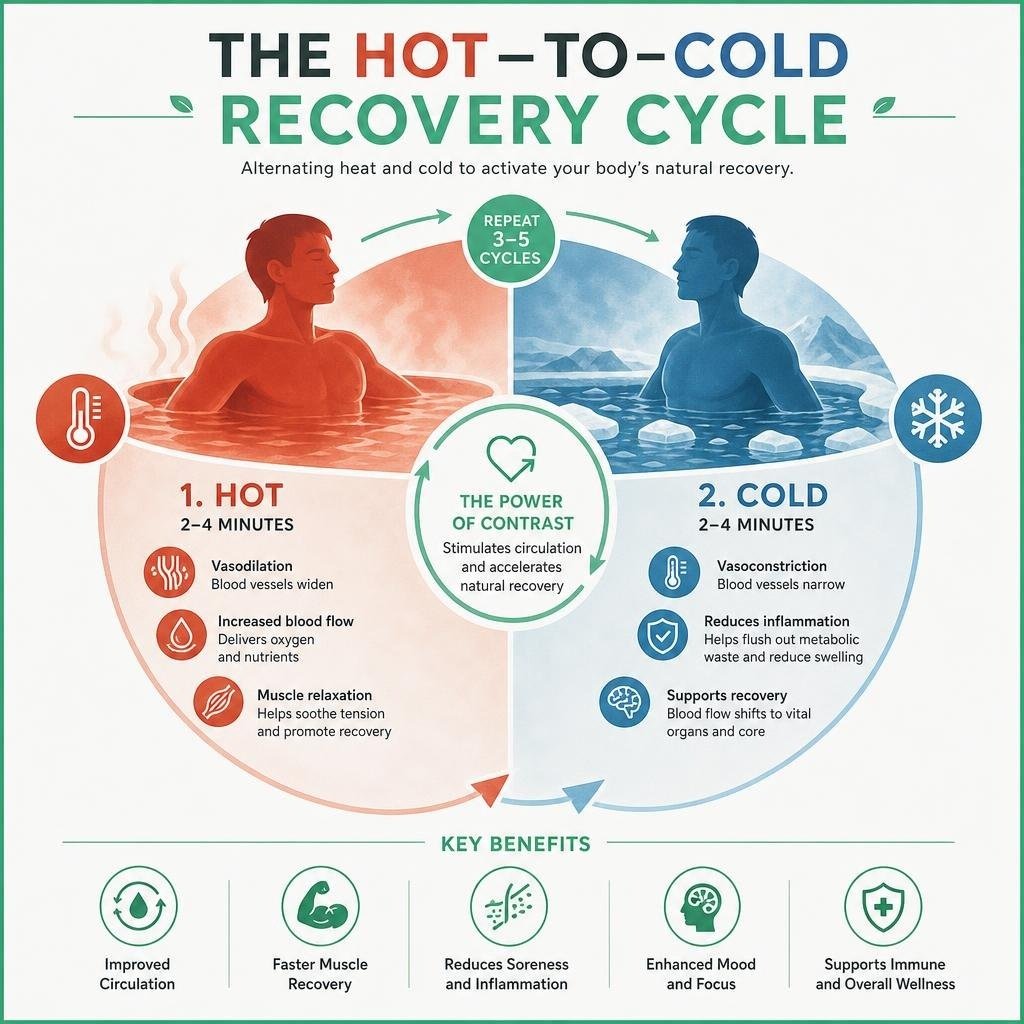
When we expose our bodies to heat, our blood vessels undergo vasodilation, meaning they widen. This process increases blood flow to the skin and muscles, delivering a fresh supply of oxygen and nutrients while promoting muscle relaxation and inhibiting spasms. Conversely, when we transition to cold, our blood vessels vasoconstrict, or narrow. This constriction redirects blood flow away from the extremities and towards vital organs like the heart and brain, helping to combat post-workout inflammation, swelling, and joint pain.
The rapid alternation between these states acts as a mechanical pump for both the circulatory and lymphatic systems. This “pumping” action is incredibly effective at flushing out metabolic byproducts, such as lactic acid, which accumulate during intense physical activity. Clinical research has consistently shown that contrast therapy produces measurable changes in blood flow, effectively reduces pain and stiffness, and promotes profound muscle relaxation. It’s a non-mechanical workout for your vascular and nervous systems, stimulating adaptations without additional physical exertion.
Vascular Pumping and Systemic Circulation
The continuous cycle of vasodilation and vasoconstriction is more than just a temporary sensation; it’s a profound exercise for your vascular system. This repeated expansion and contraction of blood vessels contributes to endothelial adaptation, improving the flexibility and responsiveness of your blood vessel walls over time. Enhanced endothelial function is vital for maintaining healthy arterial blood flow, ensuring efficient oxygen replenishment to tissues, and supporting cellular repair throughout the body.
This circulatory boost is particularly beneficial for recovery. By increasing blood flow during heat exposure, we accelerate the delivery of oxygen and essential nutrients to fatigued muscles. The subsequent cold exposure then helps to reduce inflammation and swelling, effectively “squeezing” out waste products and bringing fresh, oxygenated blood back into the area as the body rewarms. This dynamic process makes contrast therapy a standard and effective modality used in many physical therapy clinics to accelerate waste product removal and decrease local edema.
Neurological Effects and Norepinephrine Release
Beyond the physical benefits, contrast therapy exerts significant influence on our neurological system. Cold exposure, in particular, stimulates the central nervous system, which can reinforce the body’s immune systems over time. The sudden shock of a cold plunge triggers a powerful physiological response, including the release of norepinephrine. This hormone and neurotransmitter plays a critical role in promoting alertness, focus, and an uplifted mood. Many individuals report a sustained feeling of “energized calm” that lasts for hours after a contrast session, attributed to this neurochemical boost.
This neurological stimulation also contributes to increased stress adaptation and mental resilience. By voluntarily exposing ourselves to controlled thermal stress, we train our nervous system to better handle other stressors in daily life. The practice of controlling one’s breath and remaining calm in the face of intense cold is a powerful mental exercise. While the initial reaction might be a gasp or even a shriek, as noted by some practitioners, this quickly subsides, paving the way for a unique blend of deep relaxation and heightened mental clarity. Cold exposure specifically redirects blood flow away from peripheral muscles to core vital organs like the heart and brain, further contributing to acute alertness and mental sharpness.
Contrast Therapy vs. Cold Plunging Alone
In August 2026, cold plunging has undeniably captured significant attention in the wellness sphere. Its proponents laud its benefits for muscle recovery, mental resilience, and invigorating physiological responses. However, when evaluating comprehensive recovery and long-term wellness, the question often arises: is contrast therapy better than cold plunging alone?
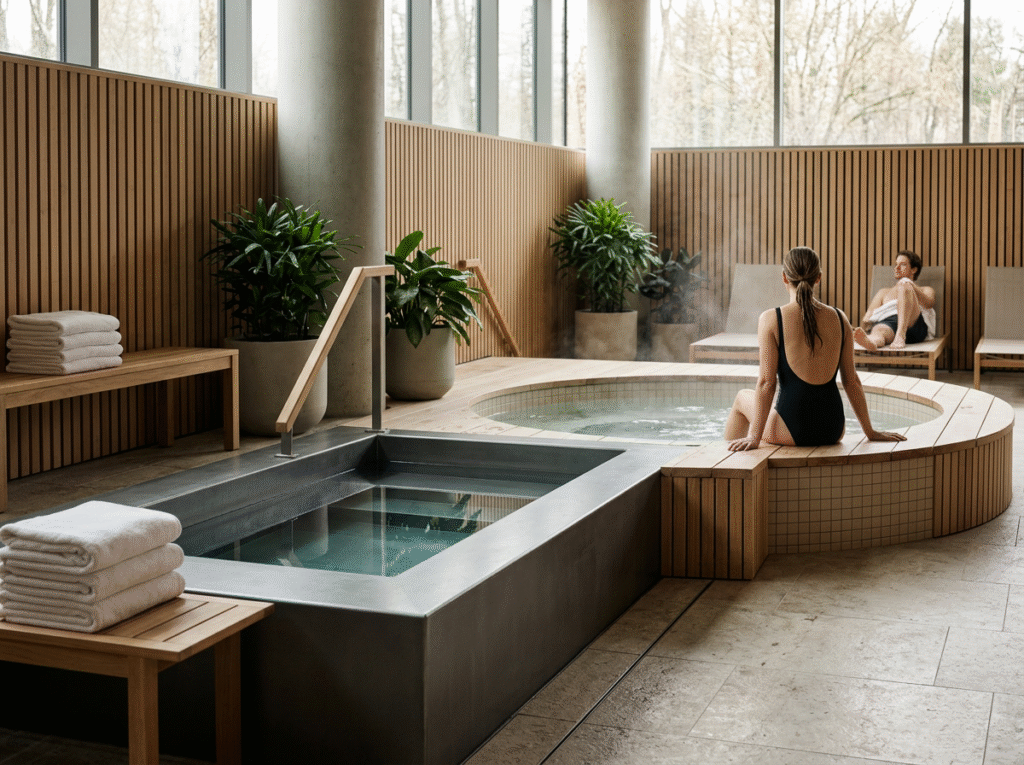
While cold plunging offers undeniable benefits, it represents only one half of the optimal recovery equation. Contrast therapy, by integrating both hot and cold elements, provides a more holistic and often more accessible approach to thermal therapy. The physical comfort and psychological hesitation associated with cold water immersion alone can be significant barriers for many, especially beginners. The ability to return to warmth between cold cycles can make the entire experience more manageable and sustainable.
Let’s consider a direct comparison:
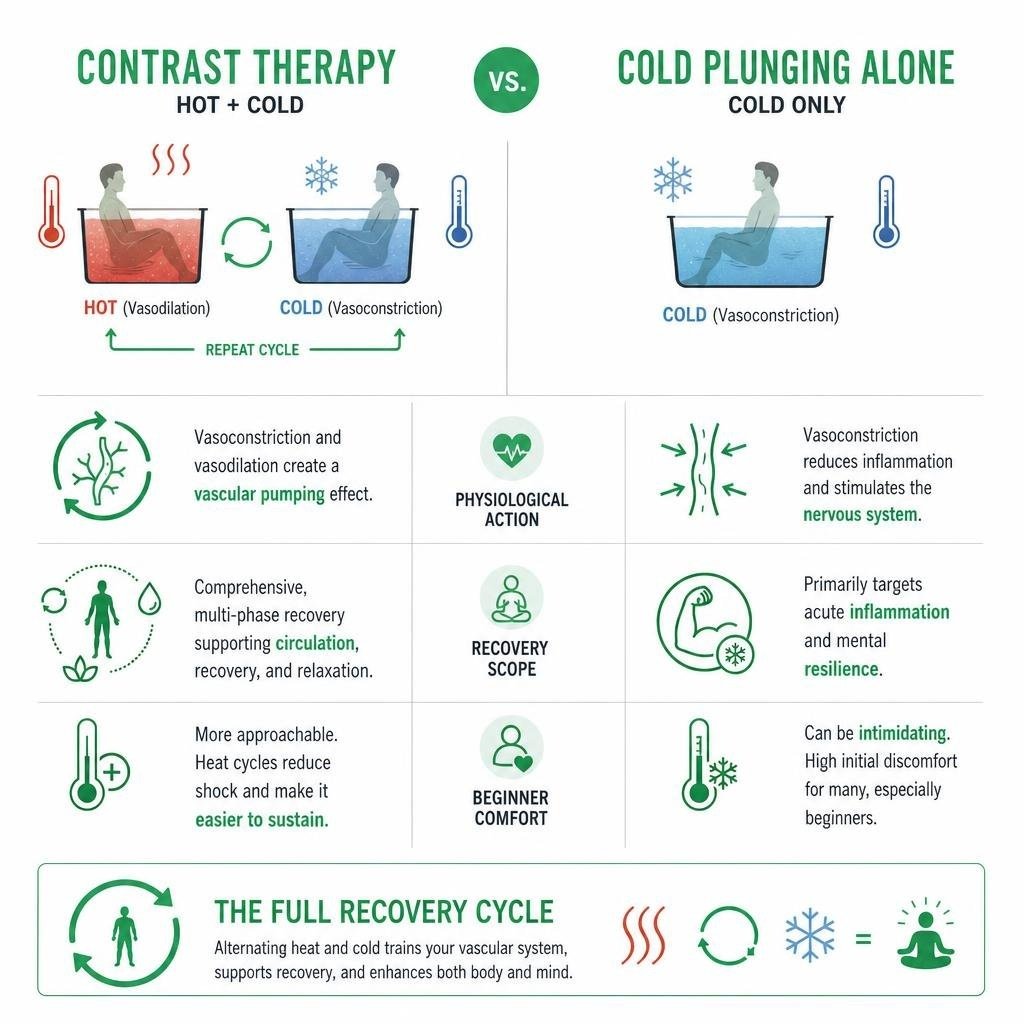
Feature Cold Plunging Alone Contrast Therapy Physiological Action Vasoconstriction, inflammation reduction, CNS stimulation Vasoconstriction and vasodilation, vascular pumping Recovery Scope Primarily acute inflammation and mental resilience Comprehensive, multi-phase recovery, circulation, relaxation Beginner Comfort Can be intimidating, high discomfort initially More approachable, heat cycles reduce intimidation Sustainability High psychological barrier for consistent adherence Easier to sustain due to balanced thermal experience Benefits Reduced soreness, mood boost, resilience Reduced inflammation, improved circulation, mood, sleep, flexibility Why Contrast Therapy and Wellness Protocols Deliver Comprehensive Recovery
Contrast therapy supports multiple phases of recovery in a single session, making it inherently more comprehensive than cold plunging alone. The alternating temperatures provide a dynamic environment that addresses various aspects of physical and mental well-being:
- Enhanced Circulation and Detoxification: The “pump” effect from alternating vasodilation and vasoconstriction significantly boosts both blood and lymphatic circulation. This accelerates the removal of metabolic waste products and delivers fresh oxygen and nutrients more efficiently, leading to faster recovery and reduced muscle soreness.
- Improved Tissue Elasticity and Joint Mobility: Heat exposure helps relax muscles and connective tissues, increasing their elasticity. This can be particularly beneficial for improving range of motion and joint mobility, which might be limited by cold exposure alone.
- Reduced Inflammation and Pain: While cold is excellent for acute inflammation, the subsequent heat helps to soothe and relax, preventing the prolonged stiffness that can sometimes accompany extended cold exposure. This balanced approach can lead to more effective pain reduction.
- Superior Long-Term Adherence: For many, the sheer discomfort of prolonged cold plunging can be a deterrent to consistent practice. Contrast therapy, with its periods of warmth, offers a more appealing and sustainable routine. Returning to heat between cold cycles reduces the physical intimidation and discomfort, making it easier to build a regular habit and achieve long-term benefits.
- Multi-Phase Healing: Contrast therapy addresses both the acute inflammatory response (cold) and the need for improved blood flow and relaxation (heat), facilitating a more complete physical regeneration. This multi-phase healing approach is why many find contrast therapy to be a more effective and repeatable daily routine for full-body recovery.
Synergistic Benefits with Modern Fitness Routines
For individuals engaged in an integrated blend of high-energy fitness, contrast therapy offers synergistic benefits that can significantly enhance training adaptation and performance. High-level athletes and fitness enthusiasts often incorporate contrast therapy into their post-workout recovery routines to manage muscle soreness and joint swelling.
Performing contrast therapy immediately post-exercise can target acute inflammation and oxygen depletion, helping to mitigate delayed-onset muscle soreness (DOMS). The improved circulation ensures that muscles receive the necessary resources for repair and growth, while the lymphatic drainage helps clear out inflammatory markers. This proactive approach to active recovery allows individuals to maintain higher training volumes and recover more quickly between sessions, ultimately supporting their fitness goals.
Moreover, the mental resilience cultivated through contrast therapy complements the demands of rigorous training. The ability to manage discomfort and maintain focus during thermal transitions translates into greater mental fortitude during challenging workouts, reinforcing the mind-body connection essential for peak performance.
Step-by-Step Contrast Protocols and Implementation
Embarking on a contrast therapy journey, whether in a dedicated wellness studio or the comfort of your home, requires a structured approach. Understanding the recommended temperature guidelines, duration ratios, and cycle repetitions is key to maximizing benefits while ensuring safety.
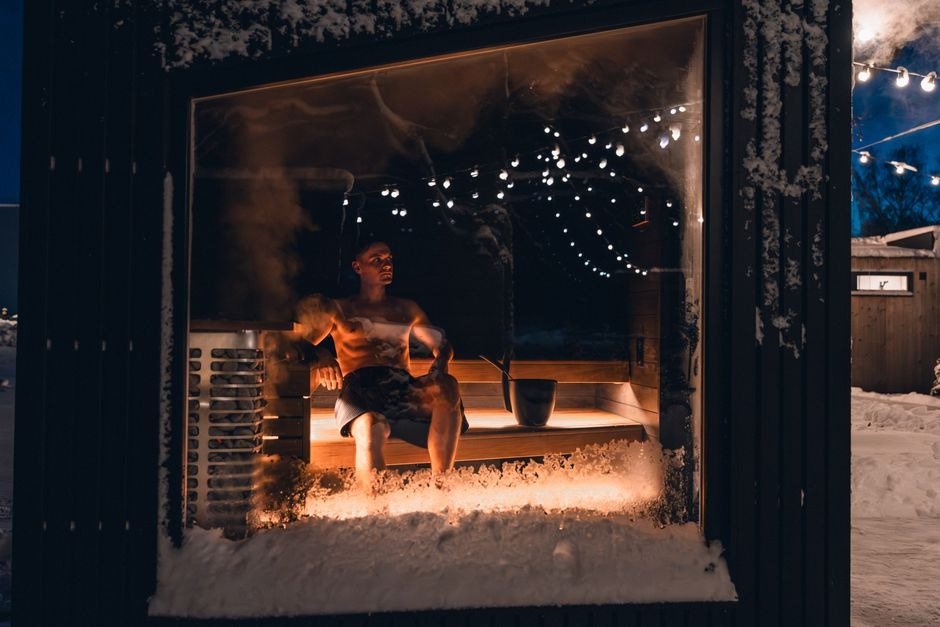
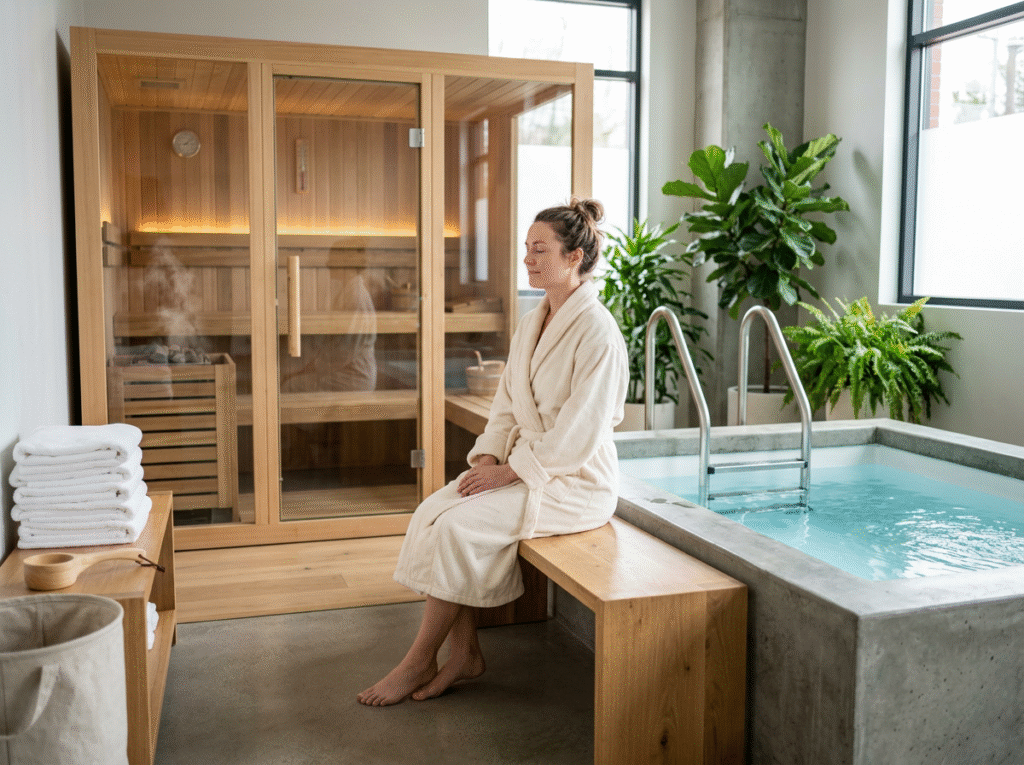
A typical contrast therapy protocol involves alternating between heat and cold for several cycles. For heat, we recommend 15-20 minutes in a hot tub at 100°F to 104°F, or a sauna at 170°F to 190°F. This is followed by a cold plunge at 45°F to 55°F for 1-3 minutes. This sequence is then repeated 2-4 times. For beginners, it’s crucial to start with shorter cold intervals—perhaps 30-60 seconds—and gradually increase duration as tolerance builds. Always begin your session with heat and ensure you finish your final round on cold for superior lasting wellness and anti-inflammatory advantages.
Respiratory regulation plays a vital role, especially during the cold phase. Practicing slow, deliberate exhales can help moderate the sympathetic nervous response and calm the body’s initial shock reaction. Think of contrast therapy as a progressive workout: start small and build stamina over time. Hydration is also paramount; ensure you drink plenty of water before, during, and after your sessions.
Optimizing Contrast Therapy and Wellness in Modern Studios and at Home
Modern wellness studios offer sophisticated setups, often featuring infrared saunas and commercial-grade plunge pools, which can provide more intense and controlled experiences. Infrared saunas, for instance, penetrate deeper into tissues compared to traditional saunas, potentially enhancing physiological responses. These facilities often provide guided sessions and expert advice, making them an excellent starting point for those new to contrast therapy.
For at-home contrast therapy, several accessible options exist:
- Hot Tub and Cold Plunge Method: If you have access to a hot tub and a dedicated cold plunge tub, this provides an optimal at-home setup. Follow the recommended temperature and duration guidelines outlined above. The Vigor Cold Plunge, for example, can bring water down to a crisp 37°F for maximum cold exposure benefits, though 45°F-55°F is generally recommended for protocols.
- Sauna and Cold Plunge Method: Pairing a home sauna (traditional or infrared) with a cold plunge tub is another excellent option. The intense heat of a sauna followed by cold immersion is a powerful combination.
- Contrast Showers: This is the most accessible method for beginners. Warm your body thoroughly under hot water for 1-2 minutes, then abruptly switch to cold. Stay in the cold until you feel cooled down, then switch back to hot. Repeat this cycle several times, waiting at least 1-2 minutes between switches.
- Targeted Contrast (for localized relief): For specific muscle aches or strains, you can alternate applying a microwaveable or electric heating pad and an ice pack directly to the affected area. This method is effective for localized inflammation and soreness.
For general wellness, 2-3 contrast therapy sessions per week are highly effective. However, during periods of intense athletic training or high stress, you might consider increasing frequency, always listening to your body and consulting with a professional if needed.
Essential Safety Guidelines and Contraindications
While contrast therapy is safe for most healthy individuals, certain conditions warrant caution or complete avoidance. It’s crucial to treat contrast therapy with respect, much like any powerful wellness intervention.
Safety Considerations:
- Hydration: Always hydrate thoroughly before, during, and after sessions to prevent dehydration, especially with extended heat exposure.
- Listen to Your Body: If you experience any weakness, dizziness, nausea, or extreme discomfort, stop immediately.
- Progressive Approach: Start with milder temperatures and shorter durations, gradually increasing intensity as your body adapts. Contrast therapy should be treated like a progressive workout where starting small and building stamina over time is essential.
- Thermal Burns: Exercise caution with very hot water or sauna temperatures to avoid thermal burns. Ensure equipment is properly maintained and monitored.
Who Should Avoid Contrast Therapy (or consult a physician first):
- Cardiovascular Conditions: Individuals with heart conditions, high blood pressure, or other cardiovascular issues should always consult their doctor before engaging in contrast therapy. The rapid changes in blood pressure and nervous system stimulation can pose risks.
- Raynaud’s Syndrome: This condition causes blood vessels to narrow in response to cold, which can be exacerbated by cold immersion.
- Open Wounds or Skin Infections: Avoid exposing open wounds or active skin infections to water, as this can increase the risk of infection.
- History of Fainting: Rapid temperature changes can sometimes lead to lightheadedness or fainting in susceptible individuals.
- Pregnancy: Pregnant individuals should avoid contrast therapy due to potential risks associated with extreme temperature fluctuations.
- Other Conditions: If you have any chronic medical conditions, diabetes, or are taking medications that affect circulation or heart rate, seek medical clearance.
Always ensure pre-existing cardiovascular conditions are medically managed before attempting contrast therapy. When in doubt, a consultation with a healthcare provider is the best course of action.
Frequently Asked Questions About Contrast Recovery
As contrast therapy gains popularity, many common questions arise regarding its application and benefits. Let’s address some of these to provide a clearer understanding of this powerful wellness practice.
How often should you do contrast therapy for optimal wellness results?
For general wellness and maintenance, 2-3 contrast therapy sessions per week are highly effective. This frequency allows the body to adapt and reap the benefits of improved circulation, reduced inflammation, and enhanced mood without overstressing the system. For athletes or individuals undergoing intense training, the frequency might increase to support more rapid recovery, but always with careful attention to individual tolerance and professional guidance. The key is long-term consistency to build tolerance and achieve systemic recovery benefits.
Should you end a contrast therapy session on hot or cold?
While some protocols might vary, the general consensus and best practice for contrast therapy is to always finish the final round on cold. Ending on cold provides superior lasting wellness and anti-inflammatory advantages. The vasoconstriction induced by the cold helps to lock in the anti-inflammatory effect, reduce residual swelling, and promote a sustained feeling of alertness and invigoration. This helps prolong systemic anti-inflammatory benefits and prepares the body for a state of calm and recovery, especially if the session is performed in the evening to aid sleep.
Who should avoid contrast therapy?
While contrast therapy is beneficial for many, it is not suitable for everyone. Individuals with certain health conditions should either avoid it entirely or seek medical advice before trying it. As mentioned in our safety guidelines, those who should avoid contrast therapy include:
- Individuals with cardiovascular conditions: This includes high blood pressure, heart disease, or a history of heart attacks or strokes. The rapid changes in blood pressure and heart rate can be dangerous.
- People with Raynaud’s syndrome: This condition causes extreme sensitivity to cold, leading to painful vasoconstriction in the extremities.
- Pregnant individuals: Extreme temperature fluctuations are generally not recommended during pregnancy.
- Those with open wounds or acute skin infections: Immersion in water can exacerbate these conditions.
- Individuals with a history of fainting or severe dizziness: The sudden shock of cold can trigger these responses.
- Anyone with severe neuropathy or impaired sensation: This can prevent an individual from accurately sensing temperature, increasing the risk of thermal burns or overexposure to cold.
If you have any underlying medical conditions or concerns, always consult a healthcare provider before incorporating contrast therapy into your wellness routine.
See also: Understanding Business Loan Options for Entrepreneurs
Conclusion
As we’ve explored, contrast therapy is far more than a fleeting trend; it’s a powerful, science-backed wellness therapy with deep historical roots and profound physiological benefits. From enhancing circulation and reducing inflammation to boosting mood and strengthening resilience, the alternating embrace of heat and cold offers a holistic pathway to improved physical vitality and mental clarity.
By understanding the intricate dance of vasodilation and vasoconstriction, the neurological surge of norepinephrine, and the comprehensive recovery it provides compared to cold plunging alone, we can appreciate the unique advantages of this practice. Whether you choose the sophisticated environment of a modern wellness studio or adapt the principles for your home, incorporating contrast therapy into your routine can be a transformative step towards optimizing your well-being.
Remember to approach contrast therapy with intention, adhering to safety guidelines and listening to your body. For those seeking an integrated blend of high-energy fitness and recovery, or simply a more robust approach to daily wellness, contrast therapy offers a compelling solution for long-term resilience and a revitalized self in August 2026 and beyond.