Hard water can quietly create extra work throughout a home, from cloudy glasses and stubborn soap residue to scale inside fixtures and appliances. Understanding the causes of these issues helps homeowners choose practical solutions rather than buying equipment that does not match their water quality or household needs.
For households dealing with persistent mineral buildup, reduced fixture flow, or frequent water heater maintenance, professionally sized hard water softener systems in Ogden Utah, can be one option worth considering. The right solution depends on the current water test, daily water use, plumbing layout, and local discharge requirements.
What Hard Water Does Inside A Home
Hard water contains elevated amounts of dissolved calcium and magnesium. These minerals are not usually visible when water is flowing, but they can remain behind after the water evaporates or is heated. The result is scale, a chalky deposit that often appears first on faucets, showerheads, glassware, kettle interiors, and appliance connections.
Over time, scale can narrow aerators, make cleaning more difficult, and reduce heat transfer in water heaters and other equipment. Traditional cation-exchange systems remove calcium and magnesium by exchanging them for sodium or potassium ions, as explained by the U.S. Environmental Protection Agency’s water-softener guidance.
Common Signs Of Hard Water
Hard water does not always cause one dramatic problem. More often, homeowners notice a combination of everyday clues:
- White spots on shower doors, dishes, and plumbing fixtures.
- Soap that lathers poorly or leaves a film on skin and tubs.
- Dry-looking hair, stiff laundry, or dull fabrics after washing.
- Lower flow from faucet aerators or showerheads.
- Crusty buildup around water-heater connections and heating elements.
- Frequent cleaning needs around sinks, toilets, and glass surfaces.
How To Test Water Hardness
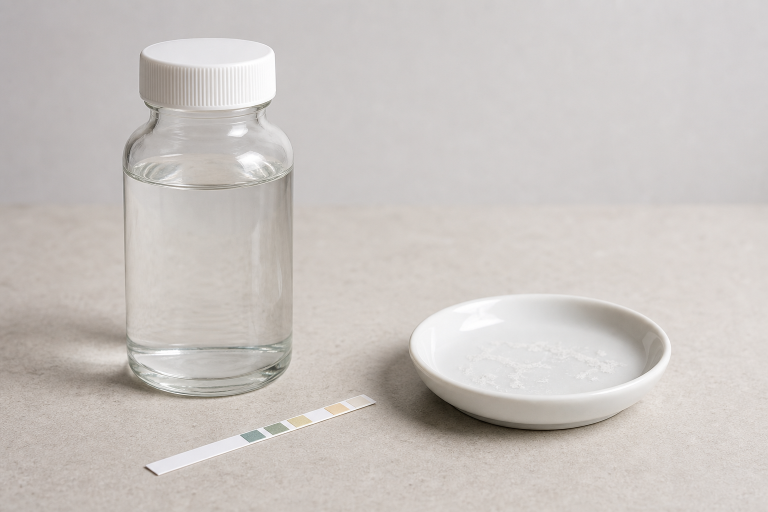
Start with information, not assumptions. Homes served by a public utility can review the utility’s annual water quality report. However,h a current at-home result may still be useful because conditions can vary by neighborhood and plumbing. Test strips offer a quick estimate, while a certified laboratory test gives more complete information, especially for private wells.
- Test hardness and record the result in grains per gallon or milligrams per liter.
- For well water, also consider testing for iron, manganese, pH, sediment, bacteria, and nitrate.
- Retest after major plumbing work or a noticeable change in taste, odor, color, or staining.
Hardness testing is not the same as testing for contaminants such as lead, PFAS, or bacteria. A water softener targets hardness minerals, not every possible water-quality concern.
Water Softener And Conditioner Options
Several approaches can help, but they do different jobs:
- Ion-exchange softeners: Remove calcium and magnesium throughout the home. They require salt or potassium, a drain connection, and routine regeneration.
- Salt-free conditioners: May help reduce scale formation in some applications, but generally do not remove hardness minerals or lower a hardness test result.
- Reverse osmosis systems: Usually treat water at a drinking or cooking fixture rather than protecting all household plumbing.
- Whole-home filters: Can address sediment, chlorine, or certain other concerns, but a standard filter does not automatically soften water.
- Magnetic or electronic devices: Performance claims vary widely, so homeowners should seek independent evidence rather than relying on broad marketing claims.
How To Choose The Right System
System selection should begin with water chemistry and household demand. Consider how hard the water is, how many people live in the home, how much water the household uses, whether the source is a utility or well, and whether there is adequate space for equipment, drainage, and service access.
Sizing matters. An undersized unit may regenerate too often and struggle during busy periods. An oversized unit can cost more than necessary and may be less efficient. It is also wise to ask about local rules for brine discharge and whether anyone in the home needs to limit sodium intake.
Simple Maintenance Steps
- Check the salt or treatment-media level regularly.
- Break up salt bridges and clean hardened deposits from the brine tank when needed.
- Inspect valves, fittings, and bypass settings for leaks or accidental changes.
- Keep the drain line free of kinks, clogs, and improper connections.
- Replace filters on the manufacturer’s schedule.
- Track regeneration behavior, service dates, and unusual changes in water quality.
Maintenance needs can be higher for well water because iron, sediment, and other water chemistry issues may affect resin, filters, and valves.
How To Reduce Water And Salt Waste
Demand-initiated regeneration is often more efficient than a fixed calendar schedule because it regenerates according to actual use. Set the hardness level using a current test, repair plumbing leaks promptly, and avoid adding salt simply because the tank appears low. Efficient fixtures and appliances can also reduce overall water demand.
The EPA notes that regeneration can use considerable water and salt, making accurate settings and routine maintenance important. Review local wastewater requirements before installing or replacing a softener.
Mistakes That Can Lower Performance
- Buying treatment equipment before testing the water.
- Selecting only by the lowest purchase price.
- Assuming every whole-home filter removes hardness minerals.
- Ignoring leaks, salt bridges, or a clogged drain line.
- Expecting a softener to solve taste, odor, bacteria, or contamination concerns.
Myth Versus Fact
Myth: Soft water and purified water are the same. Fact: Softening changes the hardness of minerals, while purification may require different treatment. Myth: A salt-free conditioner is always a softener. Fact: It may manage scale while leaving measured hardness largely unchanged.
When To Call A Qualified Professional
Professional help is valuable when a system leaks, fails to regenerate, causes pressure loss, uses salt unusually quickly, or is connected to a well with an iron or sulfur odor, sediment, or staining. Ask for a written explanation of the water test, recommended system capacity, expected operating costs, maintenance schedule, warranty, and any plumbing or drainage work required.
See also: Why Legal Representation Matters in Family Law Conflicts
Frequently Asked Questions
Does Hard Water Damage Pipes?
Scale can collect inside fixtures, valves, and heating equipment, reducing flow and efficiency. It does not mean every home needs immediate pipe replacement.
Does A Water Softener Make Water Safe To Drink?
No. It addresses hardness, not every potential contaminant. Use appropriate testing and treatment for specific drinking-water concerns.
Can Hard Water Affect A Water Heater?
Yes. Scale can coat heating surfaces and reduce heat transfer efficiency. Noises, slower recovery, and declining performance are reasons to schedule an inspection.
Final Thoughts
Effective hard-water care starts with a test, not a guess. With accurate results, proper sizing, routine maintenance, and realistic expectations, homeowners can reduce scale and protect fixtures without paying for unnecessary treatment. For additional background on common methods, review this overview of water softening.