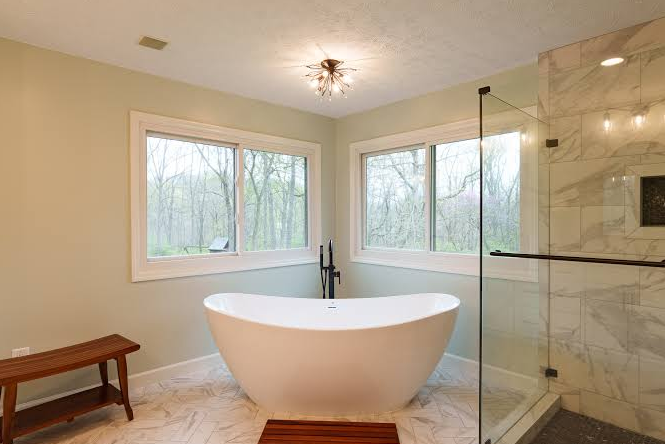
Converting a bathtub into a shower has become an increasingly popular home improvement project, especially for homeowners looking to modernize their space and increase bathroom utility. The process is not just about aesthetics; it also incorporates accessibility improvements and the potential to update a dated or underused bathroom. If you are considering this renovation, Bath Fitter tub-to-shower services offer a streamlined, professional solution for many homeowners.
Before making this significant change, it is important to evaluate how such a conversion aligns with your specific needs, budget, and the long-term value it brings to your home. Converting a tub to a shower can open up new possibilities for design, storage, and ease of use, yet it is critical to plan thoughtfully to maximize the benefits while minimizing any potential drawbacks.
Many people choose to replace their old bathtubs with showers due to changing lifestyles or physical needs. Showers take up less space, can be built to suit accessibility requirements, and bring a more contemporary look to your bathroom. Thoughtful design choices and awareness of local regulations can help ensure your bathroom remodel is both beautiful and functional for years to come.
However, not all homes or families have the same preferences. For those concerned about resale value, it is vital to strike a balance between personal convenience and features that future buyers may desire.
Benefits of Converting a Tub to a Shower
Switching from a bathtub to a shower is often about transforming your bathroom to better meet your needs. The most prominent advantage is improved accessibility. Walk-in showers can provide easy, safe access for people with mobility limitations or anyone seeking a modern, streamlined bathroom experience. In smaller homes or compact bathroom spaces, replacing a bulky tub with a shower can create a more open, usable space.
Shower conversions also contribute to a contemporary look and feel. Modern showers can utilize a variety of finishes and fixtures to elevate the space. Features such as rain showerheads, frameless glass doors, and attractive tile arrangements can turn a formerly utilitarian area into a spa-like retreat.
See also: How Smart CCTV Technology Enhances Security Measures
Considerations for Home Resale Value
Resale value is a significant consideration before starting a bathroom conversion. Real estate agents often recommend that households with more than one bathroom retain at least one bathtub to appeal to families with young children who require one for bathing. Removing every tub in the home can be a deal-breaker for some buyers, especially in family-oriented communities. If you only have one bathroom and plan to sell in the future, weigh the functional benefits against the risk of limiting your buyer pool.
Costs and Timeline of the Conversion
The price of converting a standard tub to a shower can vary widely, but most homeowners spend between $4,000 and $6,000 for a mid-range remodel. Costs fluctuate depending on material choices, size alterations, labor rates, and plumbing changes. Custom tilework and high-end fixtures can increase costs, while prefabricated units usually lower prices and installation time. Projects generally take between two and three weeks to complete, though unforeseen issues, such as plumbing repairs or water damage, can extend the timeline. Always budget for possible overruns and schedule with the assumption of small delays.
Compliance with Building Codes and Regulations
Any tub-to-shower conversion must adhere to local building codes and safety standards. Permits are often required for plumbing changes, structural modifications, or for converting a tub into a curbless or barrier-free shower. Failing to comply can result in costly corrections or negatively affect home resale. Most professional contractors will handle permitting, but DIYers should start by contacting their municipality’s building department for guidance.
Design Choices and Materials
The right shower design can personalize your project and enhance overall satisfaction. Homeowners can choose between prefabricated shower stalls that install quickly or custom tile showers that allow for extensive personalization. For materials, prioritize durability and water resistance in frequently wetted areas. Consider ceramic tiles or acrylic panels, both of which offer strength and easy cleaning. Improvements like built-in benches, shelving, or grab bars not only enhance bathroom functionality but also improve safety for people of all ages.
Hiring Professionals vs. DIY
Whether to hire a contractor or take on the project yourself depends on your construction and plumbing experience. DIY conversions offer cost savings, but the scope of work, especially when it involves waterproofing, tile, and plumbing, can pose challenges for novices. Mistakes can lead to leaks or long-term moisture damage. Professional contractors will provide expertise, handle permitting, and minimize risks. It is generally advisable to hire professionals for any complex remodel to guarantee results and protect home value.
Maintenance and Upkeep
Keeping your new shower clean and functional is essential for long-term value. Choose easy-to-clean tiles and quality grout to minimize maintenance. Regularly wipe down shower walls and floors, address mold or mildew quickly, and repair any leaks as soon as they appear. Making these simple habits part of your bathroom routine will ensure the shower remains an enjoyable and safe amenity for years to come.
Conclusion
Converting a bathtub to a shower is a transformative upgrade that can enhance both the efficiency and look of your bathroom. It pays to examine every aspect of this decision, from its effect on resale value to choices in materials and fixtures. Proper planning and professional execution will deliver a space that serves your current lifestyle while helping to maintain or increase your home’s overall value.