Introduction
Tooth loss is more common than many people think, and it can affect daily life in dramatic ways. When a single tooth or multiple teeth are missing, it can create problems with eating, speaking, and social confidence. Fortunately, dental implants offer a modern, sophisticated solution to these issues, allowing you to regain both functionality and a natural appearance. These cutting-edge solutions help restore not just your smile but also your confidence. Dental implants have become a preferred method of tooth replacement, thanks to their stability and long-lasting results. Whether you have lost teeth due to injury, decay, or other health conditions, implants can provide a reliable path to a better quality of life. This guide is designed to help you understand dental implants from start to finish so that you can be informed and empowered at every step of your journey.
Restoring oral health does more than improve your physical appearance; it also af eating habits, speech, and even social interactions. Unlike traditional dentures, dental implants are securely anchored in place, making them more comfortable during day-to-day activities. Knowing your options and the process involved can ease any anxiety and help you take proactive steps for your oral health.
If you are seeking a permanent, practical way to address missing teeth, learning about dental implants can provide clarity and guidance. They offer more than a cosmetic fix, acting as a foundational investment in your overall well-being.
What Are Dental Implants?
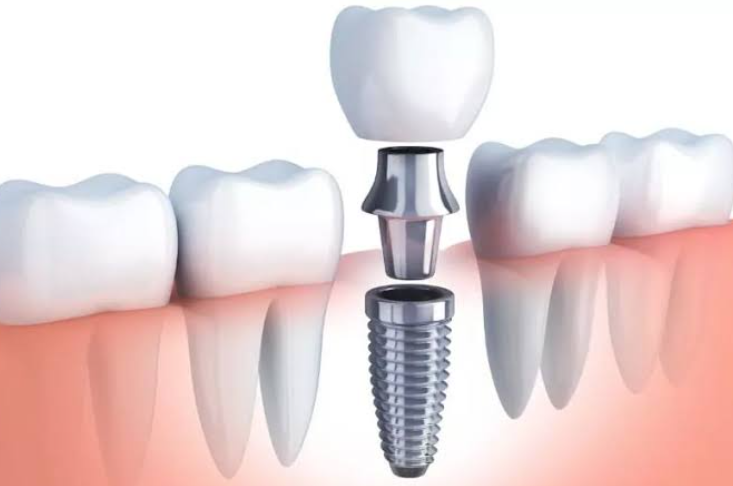
Dental implants are advanced medical devices designed to replace missing teeth as naturally and effectively as possible. Each implant consists of a small titanium post that is surgically placed into the jawbone. The titanium material is chosen for its biocompatibility, which allows it to fuse naturally with bone through a process called osseointegration. Once healed, the implant acts as a robust anchor for replacement teeth such as crowns, bridges, or dentures. This integration ensures that the replacement teeth are stable, feel natural, and function just like real teeth. This type of restoration does not depend on neighboring teeth for support, unlike traditional bridges. Because of this foundation in the jawbone, dental implants also help prevent bone loss, which can occur when teeth are missing for prolonged periods.
Benefits of Dental Implants
- Natural Appearance: Implants are custom-crafted to match the color, shape, and size of your natural teeth, ensuring a seamless smile.
- Improved Functionality: The strength of the implant allows you to eat, chew, and speak confidently without worrying about shifting or discomfort.
- Durability: Unlike removable dentures that require periodic adjustment or replacement, dental implants can last for many years, often a lifetime, when properly maintained.
- Bone Preservation: The stimulus provided by the implant post helps preserve jawbone structure, preventing further oral health issues and changes in facial appearance that happen when bone loss occurs.
The Dental Implant Procedure
The dental implant process is typically broken down into several important stages.
Initial Consultation
Your journey begins with a thorough dental examination. This generally includes X-rays, 3D imaging, and a review of your medical history. The dentist evaluates your teeth, gums, and bone structure to ensure you are a good candidate for implants.
Implant Placement
During the surgical phase, the titanium post is placed into the jawbone where the missing tooth once was. Local anesthesia is commonly used to ensure your comfort. The implant is then left to heal, which can sometimes take several months as the bone grows around it, creating a solid foundation.
Abutment Placement
Once the implant has securely fused with the bone, a small connector piece called an abutment is attached. This serves as the link between the implant post and the artificial tooth.
Crown Placement
The final stage is the placement of a custom-made crown, which is shaped and colored to blend seamlessly with your other teeth. This completes the restoration, allowing you to enjoy all the benefits of your new smile.
Candidacy for Dental Implants
While dental implants are suitable for most adults, certain health factors will determine your eligibility.
- Bone Density: Adequate jawbone mass is essential for supporting the implant. Patients with significant bone loss may require bone grafting before proceeding with the implant.
- Gum Health: Healthy gums, free of infection or periodontal disease, are necessary for the implant to heal and remain stable.
- Lifestyle Factors: Those who smoke or have uncontrolled chronic illnesses such as diabetes may face more challenges with healing and implant success. Commitment to good oral hygiene is also crucial.
Your dental team will work with you to address any risk factors and create a personalized treatment plan to maximize your chances of success.
Caring for Your Dental Implants
Proper care is crucial to protect your investment and ensure your implants last. Here are some essential tips:
- Oral Hygiene: Brush and floss regularly using non-abrasive toothpaste. Special brushes and flossing tools may be recommended to effectively clean around the implant.
- Regular Dental Visits: Routine check-ups and professional cleanings allow your dentist to monitor and maintain the health of your implants and surrounding tissue.
- Avoid Harmful Habits: Refrain from chewing hard objects such as ice and avoid smoking to reduce the risk of implant failure or complications.
Potential Risks and Complications
Dental implants are highly successful, but like any surgical procedure, they carry some potential risks.
- Infection: As with any invasive procedure, infection is possible. Following post-operative care instructions and maintaining good oral hygiene greatly reduces this risk.
- Implant Failure: In rare cases, the implant may not integrate with the bone, or excessive bite pressure may cause failure. Early intervention and revision options are available if issues arise.
- Nerve Damage: Occasionally, nerve injury can occur if the implant is placed too close to a nerve canal. This risk can be minimized through detailed planning and advanced imaging techniques.
Discussing your full medical and dental history with your provider helps reduce the chance of complications and supports long-term implant success.
See also: How Hormones Influence Your Sexual Health Throughout Life
Conclusion
Dental implants are a transformative solution for those seeking to replace missing teeth with strength, stability, and natural aesthetics. By understanding their benefits, the procedure, and ongoing care, you can confidently take the next steps toward restoring your oral health and overall well-being. Work closely with your dental care team to ensure the best outcomes, your renewed smile and quality of life are worth the investment.