Introduction
Spiders are common around Sydney homes, gardens, sheds, garages, fences, balconies, and outdoor furniture. Many spiders are harmless and help control insects, but frequent sightings around living areas can be unsettling.
Some homeowners remove webs regularly but find that spiders keep returning. This usually means the property is still providing food, shelter, and easy access points.
Understanding why spiders appear can help homeowners reduce activity without relying only on short-term web removal.
Spiders Follow Food Sources
Spiders feed on insects. If a property has plenty of flies, moths, mosquitoes, ants, or other insects, spiders may become more active.
Outdoor lights often attract flying insects at night. This can make areas around doors, windows, patios, balconies, and verandahs more attractive to spiders.
Managing insect activity is one of the most overlooked parts of spider prevention.
Gardens and Clutter Provide Shelter
Spiders prefer quiet, sheltered areas. Dense gardens, long grass, timber piles, outdoor furniture, sheds, garages, and storage boxes can all provide ideal hiding places.
The more cluttered and undisturbed an area is, the easier it is for spiders to settle.
Regular cleaning and garden maintenance can reduce shelter and make webs easier to spot.
Gaps Allow Spiders Indoors
Spiders may enter through gaps under doors, damaged flyscreens, wall cracks, vents, and openings around windows.
Older homes or buildings with loose seals may experience more indoor sightings.
Sealing gaps and repairing screens can help reduce entry, especially during seasonal changes when insects and spiders may move closer to shelter.
Webs Keep Returning for a Reason
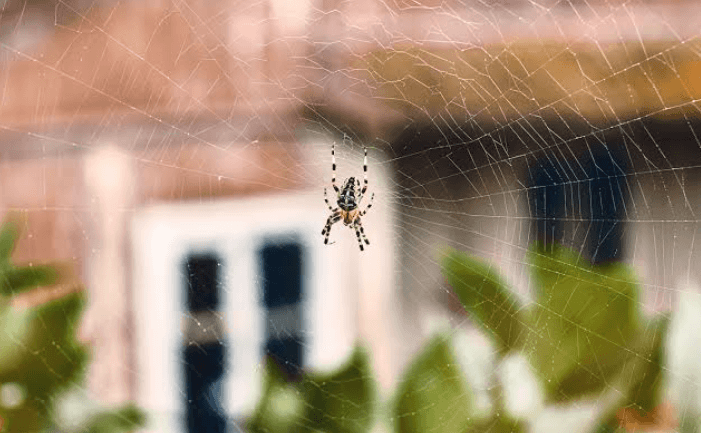
Repeated webs around eaves, fences, outdoor furniture, windows, and corners suggest that spiders are finding the area suitable.
Removing webs helps, but it does not always solve the reason spiders are present.
If insects, shelter, and gaps remain, spiders may rebuild nearby.
Why Identification Matters
Not all spiders should be treated the same way. Some species are mainly nuisance pests, while others should be approached more carefully.
Homeowners should avoid handling spiders they cannot identify. If activity is frequent or concerning, professional assessment can help determine the safest approach.
When Treatment May Be Needed
If spiders keep returning despite cleaning and prevention, targeted treatment may help. This is especially relevant for garages, sheds, outdoor seating areas, fences, and entry points.
Professional spider control sydney can help manage activity by treating common harbourage areas and advising on ways to reduce future problems.
Prevention Tips
Trim vegetation away from walls, reduce outdoor clutter, remove webs regularly, repair screens, seal gaps, clean garages, check outdoor furniture, and reduce insect activity around lights.
Wearing gloves when moving stored items, garden pots, or timber is also a sensible precaution.
See also: Understanding Business Loan Options for Entrepreneurs
FAQs
Why do spiders keep coming back after I remove webs?
Web removal helps temporarily, but spiders may return if insects, shelter, and entry points remain.
Are spiders attracted to outdoor lights?
Spiders are not attracted to light itself, but lights attract insects, and insects attract spiders.
Should I handle spiders myself?
Avoid handling spiders if you are unsure of the species. Use caution and seek help if activity is frequent or concerning.
Conclusion
Spiders appear where food, shelter, and quiet spaces are available. While some spider activity is normal, repeated sightings around living areas can often be reduced with cleaning, sealing, garden maintenance, and targeted treatment.