Creating a beautiful yard does not have to be overwhelming or time-consuming. With careful planning and practical choices, you can transform your outdoor space into an attractive, relaxing retreat that requires minimal upkeep. Whether your goal is to boost curb appeal or increase your home’s value, options like fire pit installation and sustainable planting can help you achieve a low-effort landscape that thrives year-round.
Many homeowners believe that an appealing yard means countless hours spent mowing, watering, and pruning. The good news is that modern landscaping solutions can significantly reduce the time and resources you spend maintaining your property. Embracing popular trends such as hardscaping, native plants, and efficient irrigation can deliver both beauty and functionality while keeping chores to a minimum.
If you are looking for landscaping solutions that save time and support your local ecosystem, start by studying the possibilities within your region. Every climate supports a variety of beautiful plants and landscaping features that thrive with minimal intervention.
Another helpful approach is to embrace design elements that blend aesthetics with utility. Integrate natural materials, durable fixtures, and plant combinations that require little care. This provides you with year-round enjoyment while eliminating the need for constant yard work.
Choose Native and Drought-Tolerant Plants
Native plants offer an excellent foundation for a low-maintenance garden. These plants are adapted to your local climate and soil conditions, making them more disease resistant and less reliant on supplemental watering or chemical treatments. Examples include blanket flower, black-eyed Susan, and prairie dropseed for many North American yards. Drought-tolerant varieties like succulents, Russian sage, and ornamental grasses can further reduce watering requirements, making them ideal in arid climates. For more regional recommendations, visit resources like the National Audubon Society’s Native Plant Database.
Incorporate Hardscaping Elements
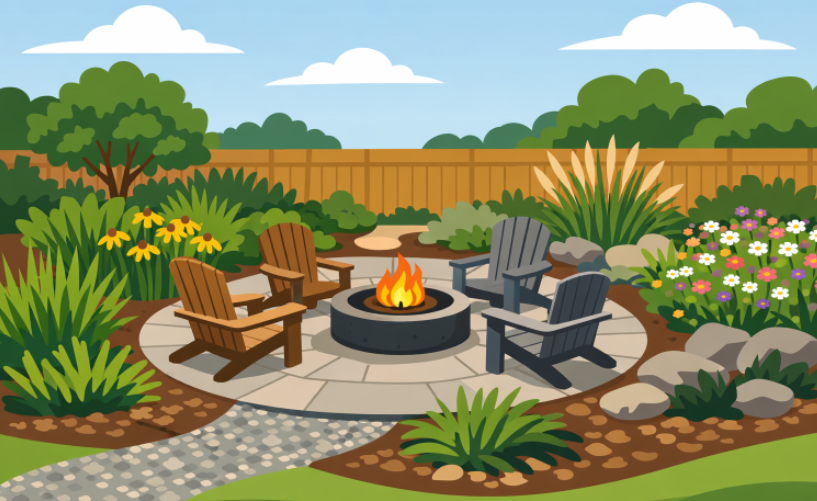
Hardscaping is the strategic use of non-plant materials in your landscape. Features such as stone patios, gravel paths, retaining walls, and composite decking effectively minimize the amount of grass or plant beds that require ongoing care. Patios and courtyards also provide valuable gathering spots for outdoor living and entertaining, helping you enjoy your yard more often with less work.
See also: Tips for Planning a Successful Home Remodel
Utilize Mulch and Groundcovers
Applying a thick layer of mulch around your plants is a simple yet highly effective landscaping method. Mulch helps retain soil moisture, stabilizes temperature, and keeps weeds at bay, so you will spend less time watering and pulling weeds. Living groundcovers, such as creeping thyme or sedum, are particularly well-suited for slopes or areas where grass struggles to grow. They spread quickly, provide greenery, and prevent erosion, ensuring a healthy landscape with minimal maintenance.
Implement Efficient Irrigation Systems
Hand-watering is both time-consuming and inefficient. Instead, consider installing a drip irrigation system or soaker hoses that deliver water directly to the root zones of your plants. These systems can be fitted with programmable timers, ensuring your garden receives consistent care even while you are away. Automated irrigation not only saves water but also promotes healthier growth by avoiding overwatering or drought stress.
Select Low-Maintenance Shrubs and Perennials
Shrubs and perennials that require minimal pruning and are resistant to local pests and diseases are excellent choices for a low-maintenance landscape. Evergreens such as boxwood and juniper add year-round structure, while flowering options like hydrangea, coneflower, and native asters provide seasonal color with little effort. Seek out varieties suitable for your growing zone and look for those labeled “low-maintenance” or “disease-resistant” for even greater ease.
Design with Meadowscaping in Mind
Meadowscaping is a modern design trend that mimics the look of natural meadows using native grasses and wildflowers. Not only is this approach low-maintenance but it also fosters biodiversity by attracting pollinators such as bees and butterflies. Meadows require far less mowing and fertilizing than a conventional lawn, and once established, a wildflower meadow can thrive with just occasional upkeep like seasonal mowing or spot weeding.
Consider No-Mow Lawns
No-mow lawns use slow-growing grasses or blends of native plants, reducing or eliminating the need for mowing, watering, and fertilizing. These alternative lawns offer a green, lush appearance with far less maintenance while supporting local habitats and reducing your yard’s environmental impact. If you are interested in helping pollinators or want a more sustainable alternative to turfgrass, consider replacing sections of your traditional lawn with these eco-friendly options.
Conclusion
Adopting low-maintenance landscaping strategies allows busy homeowners to enjoy a beautiful, functional yard that does not require ongoing, intensive care. From thoughtful plant selection and effective irrigation to smart design elements and sustainable alternatives, you can create an outdoor space that fits your lifestyle, saves you time, and gives lasting curb appeal.