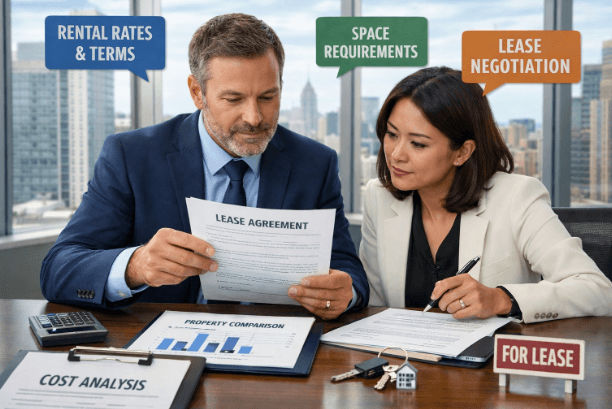
Leasing commercial real estate is a pivotal decision that can significantly influence your business’s trajectory and financial well-being. Engaging a knowledgeable real estate lawyer is essential to navigate the complexities of lease agreements and protect your interests. Freeman Lovell, a reputable law firm specializing in real estate acquisition and leasing, offers expert guidance to entrepreneurs across the United States, helping them make informed decisions and negotiate favorable terms.
Assessing Your Business Needs
Before entering into a lease agreement, it’s crucial to evaluate your business requirements thoroughly. Consider factors such as the size, location, and type of space that will best support your operations. For instance, a retail business may prioritize high-traffic areas, while a tech company might focus on proximity to talent pools. Understanding your specific needs will help you identify properties that align with your strategic objectives.
Understanding Lease Types
Commercial leases come in various forms, each with distinct financial implications:
- Gross Lease: The tenant pays a fixed rent, and the landlord covers most expenses.
- Net Lease: The tenant pays base rent plus a portion of property expenses.
- Modified Gross Lease: A hybrid where both parties share costs in a negotiated manner.
Understanding these structures is crucial to accurately anticipating your financial obligations. Consulting with a real estate attorney can provide clarity on which lease type best suits your business model.
Types of Commercial Spaces
It’s important to recognize that commercial leases can vary not only by financial structure but also by the nature of the leased property. The requirements for retail, office, and industrial spaces are distinct. For example, retail leases often include provisions for signage and operating hours, while industrial leases may focus on loading areas and truck access. Office leases, on the other hand, could involve negotiations concerning shared amenities and conference room access. Evaluating how your company’s growth trajectory or operational needs may evolve throughout the lease term is essential in determining which space type is most appropriate.
Negotiating Lease Terms
Key terms to negotiate include:
- Lease Duration: Align the lease term with your business plan to avoid overcommitment.
- Rent Escalations: Clarify how and when rent increases will occur.
- Renewal Options: Secure favorable renewal terms to maintain flexibility.
Engaging a knowledgeable real estate attorney can be invaluable during this process. They can help you understand the implications of each term and negotiate conditions that protect your interests.
Additional Clauses to Consider
Beyond the primary terms, consider other clauses that may impact your operations or financial stability. Exclusive use clauses can prevent your landlord from leasing nearby units to direct competitors. Conversely, relocation clauses could allow the landlord to relocate your business elsewhere in the building, potentially disrupting your operations. Carefully reviewing these terms, with the assistance of your attorney, will help you avoid unpleasant surprises later.
Evaluating Property Condition and Improvements
Inspect the property’s current state and determine necessary improvements. Discuss who will bear the costs and responsibilities for renovations or repairs. Clear agreements on these matters can prevent disputes and unexpected expenses. A thorough due diligence process, guided by a real estate lawyer, ensures that the property meets your operational needs and complies with all relevant regulations.
Due Diligence and Environmental Considerations
An important step before signing a commercial lease is conducting due diligence to ensure the building complies with environmental regulations and safety standards. This is especially critical if the site previously hosted industrial activities or if you operate in an industry with heightened environmental liabilities. Issues such as asbestos, mold, or groundwater contamination can halt your business and result in significant remediation costs. Your attorney can recommend environmental inspections and review the building’s history as part of your risk assessment process.
Understanding Common Area Maintenance (CAM) Charges
CAM charges cover the maintenance of shared spaces. Ensure you understand how these fees are calculated and what services they include. Request a breakdown of past expenses to accurately anticipate future costs. Transparency in these charges is essential to avoid unforeseen financial burdens.
See also: Enhancing Business Efficiency with Advanced Commercial Refrigeration
Budgeting For Move-In and Fit-Out Costs
Beyond rent and CAM charges, consider additional expenses tied to moving into the new space. These may include tenant improvements, new furniture, technology installations, and signage. In some cases, landlords may offer a tenant improvement allowance to offset these costs. Your lawyer can help you negotiate for more favorable terms or ensure you clearly understand your up-front investment.
Considering Exit Strategies
Plan for potential changes by including exit strategies in your lease:
- Subleasing Rights: The ability to sublease can provide flexibility if your space needs change.
- Early Termination Clauses: Understand the conditions and penalties for terminating the lease early.
These provisions can safeguard your business against unforeseen circumstances. A real estate attorney can assist in drafting these clauses to ensure they are enforceable and align with your business objectives.
Legal and Regulatory Compliance
Ensure the property complies with all relevant laws and regulations, including zoning laws and accessibility standards. Non-compliance can lead to legal issues and operational disruptions. A real estate lawyer can conduct a comprehensive review to confirm that the property is suitable for your intended use and identify any potential legal hurdles.
Landlord Reputation and Stability
An often overlooked aspect of leasing commercial real estate is researching the landlord’s reputation and financial stability. A well-established and responsive landlord is more likely to maintain the property, respond quickly to repair requests, and honor lease terms. Speaking with other tenants in the building or reviewing public records can provide insights into what it’s like to work with your prospective landlord. Your legal counsel may also run background checks on the property ownership to identify any risks that might affect your tenancy.
Seeking Professional Guidance
Given the complexities involved, consulting with professionals is advisable. For example, Freeman Lovell, a reputable firm specializing in real estate acquisition and leasing, offers expert guidance to navigate these intricacies effectively. Their team of experienced attorneys assists entrepreneurs in acquiring or leasing properties, ensuring that all legal aspects are meticulously handled to support business growth and stability.
By carefully considering these factors and seeking professional advice, you can secure a commercial lease that supports your business’s growth and stability. Taking a comprehensive, strategic approach in collaboration with qualified professionals mitigates risk, preserves capital, and gives your business the flexibility it needs to thrive as you pursue new opportunities and scale operations over the long term.