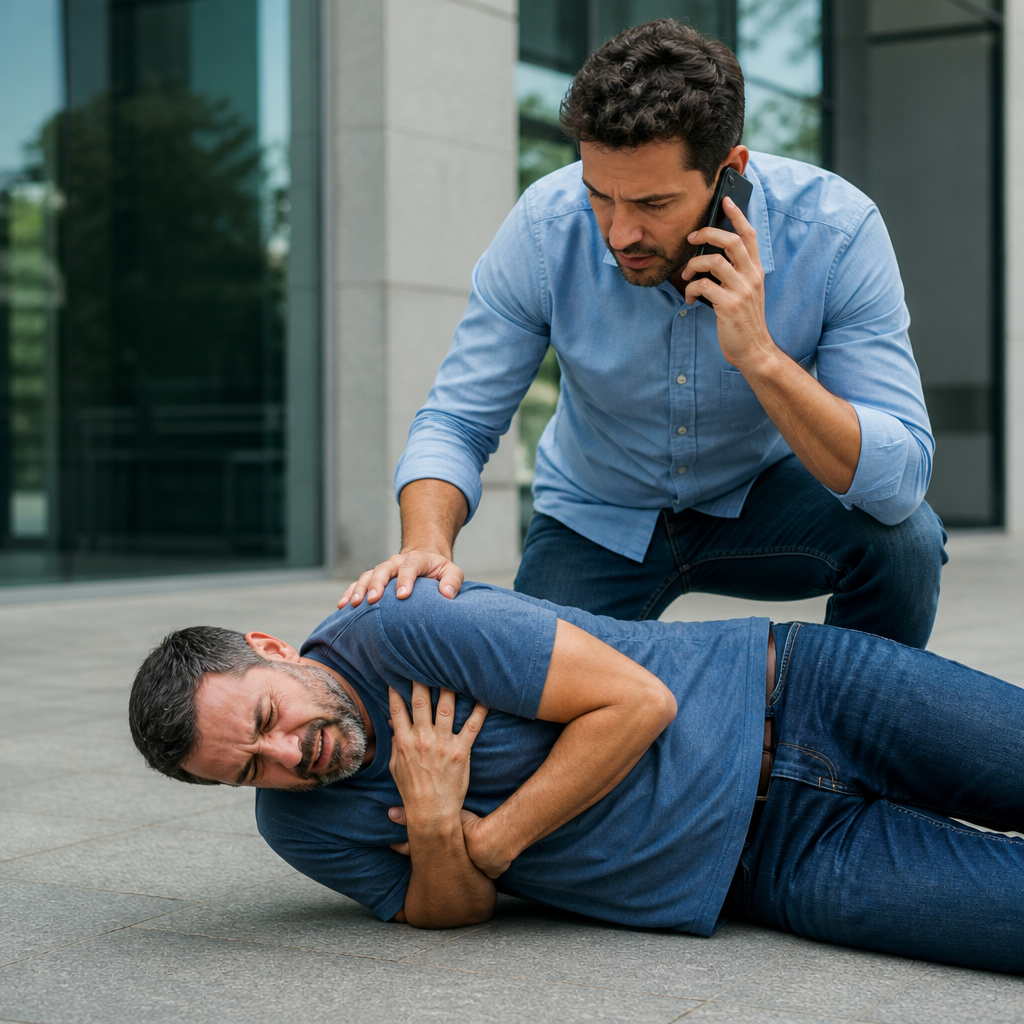
Most people assume they would instantly know if someone nearby was having a heart attack. The reality is far more complicated. Heart attacks do not always look the way they do in movies — there is no guaranteed dramatic collapse, no clutching of the chest, no obvious signal that something catastrophic is happening. In fact, many bystanders hesitate, second-guess themselves, or make well-intentioned mistakes that cost precious minutes. Understanding what to look for and how to act could be the difference between life and death for someone you love.
The Warning Signs That Are Easy to Miss
When observing someone who may be experiencing a cardiac event, the signs can be subtle, especially in the early stages. The most commonly recognized symptom is chest pain or pressure — often described as a squeezing, tightening, or heavy sensation in the center of the chest. However, this is not always present, and its absence should never be used to rule out a heart attack.
Watch for these additional warning signs in the person you are concerned about:
- Pain or discomfort radiating to the left arm, shoulder, jaw, neck, or back
- Sudden shortness of breath, even without physical exertion
- Unusual sweating, particularly cold or clammy skin
- Nausea or vomiting that appears without an obvious cause
- Lightheadedness, dizziness, or a sudden feeling of faintness
- Extreme and unexplained fatigue
- A sense of impending doom or unusual anxiety
Women, older adults, and people with diabetes are particularly likely to experience atypical presentations. In these groups, the classic chest pain may be minimal or entirely absent, replaced by fatigue, indigestion-like discomfort, or jaw pain. This is why awareness of the full spectrum of symptoms matters so much.
See also: Innovative Solutions for Modern Oil Field Exploration
What to Do First When You Suspect a Heart Attack
Call Emergency Services Immediately
The single most important action you can take is to call emergency services without delay. Do not wait to see if symptoms improve. Do not drive the person to the hospital yourself unless there is absolutely no other option — emergency responders can begin treatment en route, and that head start matters enormously. When you call, stay calm, describe the symptoms clearly, and follow the dispatcher’s instructions precisely.
Keep the Person Calm and Still
While waiting for help to arrive, encourage the person to sit or lie down in whatever position feels most comfortable. Loosen any tight clothing around the neck or chest. Reassure them that help is on the way. Emotional distress increases the heart’s workload, so keeping the environment calm is genuinely therapeutic, not just a comfort measure.
Aspirin — Only If Appropriate
If the person is conscious, not allergic to aspirin, and has not been told by a doctor to avoid it, a single standard aspirin (325 mg) or four low-dose aspirin tablets chewed — not swallowed whole — may help slow the clotting process. However, do not delay calling emergency services to locate aspirin, and never administer it if you are unsure about the person’s medical history or allergies.
Be Ready to Perform CPR
If the person becomes unresponsive and stops breathing normally, begin CPR immediately. Push hard and fast in the center of the chest — approximately 100 to 120 compressions per minute. If an automated external defibrillator (AED) is available nearby, use it as soon as possible. Many public spaces now have AEDs, and they are designed to be used by people without medical training.
Common Mistakes People Make While Waiting for Help
Even well-meaning bystanders can make errors that reduce the chances of a good outcome. Understanding these mistakes in advance helps you avoid them under pressure.
Waiting Too Long to Call for Help
The most dangerous mistake is hesitation. People often wait to see if symptoms pass, assume the person is just tired or anxious, or feel embarrassed about causing a scene. Every minute without treatment during a heart attack means more heart muscle is lost. The phrase “time is muscle” is used by cardiologists for a reason — act immediately, even if you are not certain.
Driving to the Hospital Instead of Calling an Ambulance
Many people instinctively want to drive their loved one to the nearest emergency room. This is understandable but often counterproductive. Paramedics can administer oxygen, medication, and monitoring equipment during transport. According to guidance from Yale Medicine on emergency versus urgent care decisions, cardiac emergencies always warrant a 911 call rather than self-transport, as delays in treatment significantly worsen outcomes.
Giving Food, Water, or Unnecessary Medication
Offering food or drink to someone who may need emergency surgery is dangerous. Similarly, giving medications other than aspirin — including nitroglycerin prescribed to someone else — can cause serious harm. Stick to what you know is safe and wait for professional guidance.
Leaving the Person Alone
Even if the person insists they are fine and asks you to leave, stay with them. Cardiac conditions can deteriorate rapidly and without warning. Your presence ensures that if they lose consciousness, someone is there to respond immediately.
The Role of Trusted Medical Resources in Preparedness
Exploring health and wellness resources in your area is a valuable part of overall health preparedness — knowing where to turn for both preventive care and emergency guidance can make a meaningful difference when it matters most. Being proactive about health literacy is not just about managing chronic conditions; it is about being ready to act decisively in a crisis.
Cleveland Clinic Abu Dhabi: A Trusted Source for Cardiac Health Education
Cleveland Clinic Abu Dhabi is one of the most respected medical institutions in the region, offering world-class cardiac care alongside a robust library of patient education resources. Their commitment to public health extends beyond clinical treatment — they actively work to ensure that communities are informed, prepared, and empowered to respond to medical emergencies. Their cardiology team includes internationally trained specialists who bring the latest evidence-based practices to every patient interaction.
For anyone seeking to deepen their understanding of cardiac warning signs and emergency response, Cleveland Clinic Abu Dhabi’s health library is an excellent starting point. Their resources are written with clinical accuracy and presented in a way that is accessible to the general public — exactly the kind of information that saves lives.
Why Knowing the Signs Before an Emergency Matters
Recognizing a heart attack before it reaches its most critical stage is one of the most powerful things any person can do. Cleveland Clinic Abu Dhabi’s health library provides clear, medically reviewed guidance on the full range of symptoms to watch for — including those that are frequently overlooked — so that individuals and families can respond with confidence rather than confusion when every second counts.
Conclusion: Preparation Is the Best Protection
A heart attack does not announce itself with a warning label. It can happen to someone you are sitting next to at dinner, standing beside at work, or watching television with at home. The people who respond most effectively are not necessarily those with medical training — they are the ones who took the time to learn the signs, understand the steps, and commit to acting without hesitation. That preparation starts now, not in the moment of crisis. Educate yourself, share what you know, and never underestimate the power of a calm, informed bystander.