Introduction
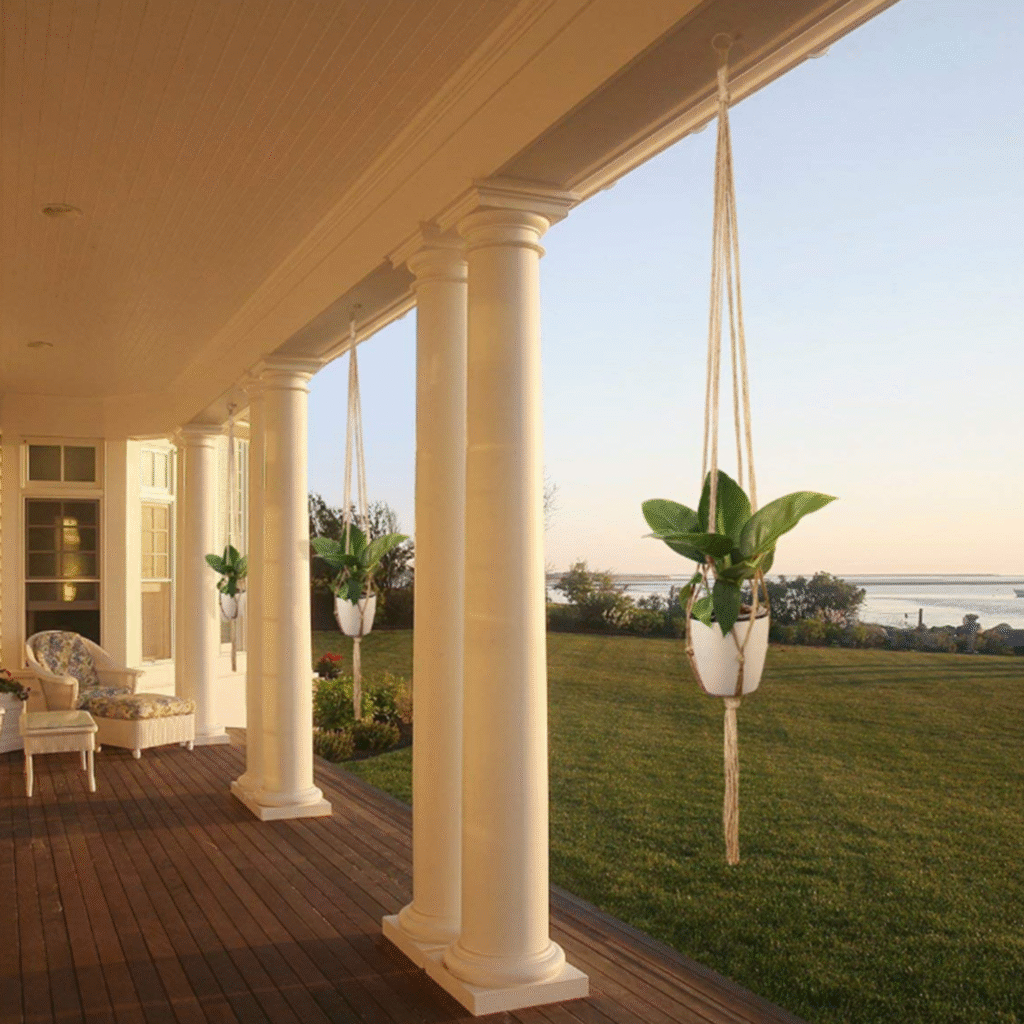
Porch columns do more than frame an entryway. They help define the character of a home, support roof structures, influence curb appeal, and affect long-term maintenance. A porch may look simple from the street, but the columns beneath it carry design and performance responsibilities at the same time. Choosing the right option requires homeowners to think beyond shape and color. The best columns suit the home’s architecture, meet structural needs, withstand local weather, and remain practical to care for over time.
The right choice depends on how the porch is built, what kind of load the columns must support, how much exposure they face, and what visual style the homeowner wants to preserve or create. A farmhouse porch, a craftsman bungalow, a colonial-style entry, and a modern exterior may all call for different column designs. When homeowners compare materials and proportions carefully, porch columns become a strong design feature rather than a rushed replacement decision.
Start With Structure Before Style
Many homeowners begin by looking at photos, shapes, and finishes. That is natural because porch columns are highly visible. However, structural needs should come first. Columns may support a roof, overhang, balcony, or decorative porch cover. The amount of weight involved determines whether a column must be load-bearing or whether it can function mainly as a decorative wrap around an internal support.
Before selecting a product, homeowners should confirm whether the existing columns carry weight. If they do, replacement should be handled with proper planning because removing or altering supports without temporary bracing can damage the porch structure. A contractor, builder, or qualified professional can help determine what level of support is required. Once the structural requirements are clear, homeowners can compare materials and designs with fewer risks hiding behind the paint.
See also: Practical Financial Wellness Tips for Everyday Life
What Porch Column Options Are Available for Different Homes?
Homeowners evaluating porch columns often focus on appearance first, but structural requirements usually determine which options are appropriate. Load demands, exposure to weather, maintenance expectations, and architectural style all influence the selection process. A column that complements a home’s design may not provide the same durability, upkeep profile, or performance characteristics as another material, making comparison an important part of planning.
Before choosing a specific product, homeowners should understand the major porch support types used in residential construction. These categories typically include wood, fiberglass, aluminum, steel, and composite supports, each offering different advantages in strength, appearance, maintenance, and weather resistance. Wood supports provide a traditional look that suits many classic home styles, while fiberglass options deliver durability with lower maintenance requirements. Steel supports prioritize structural performance, and aluminum alternatives offer corrosion resistance in challenging environments.
Support selection also depends on project goals. A historic renovation often prioritizes architectural authenticity, whereas a new-build porch may emphasize longevity and reduced upkeep. Material characteristics influence painting schedules, moisture resistance, repair requirements, and long-term ownership costs. Those characteristics make support categories more than aesthetic decisions; they directly affect the performance of the porch structure.
Comparing support options early in the planning process helps homeowners narrow their choices according to structural needs and design preferences. A clear understanding of available support categories creates a stronger foundation for selecting columns that balance appearance, durability, and function for the specific requirements of the home.
Match the Column Style to the Home
A porch column should feel connected to the rest of the home rather than added as an afterthought. Traditional homes often look balanced with wood columns, square posts, turned details, tapered craftsman supports, or paneled column wraps. Modern homes may suit simpler lines, slimmer profiles, and cleaner finishes. Farmhouse and rustic homes often benefit from natural wood texture, exposed timber, and heavier proportions.
Proportion matters just as much as material. Columns that are too thin can make a porch look weak, while columns that are too large can overwhelm the entry. The width of the porch, roof height, railing style, door design, and exterior trim should all influence the final choice. A good porch column works with the home’s existing rhythm. It does not shout over the architecture or disappear into it completely.
Use Wood Thoughtfully in Exterior Design
Wood remains popular because it brings warmth and character to outdoor spaces. It can be shaped, stained, painted, wrapped, or detailed in ways that suit many home styles. Some homeowners use wood columns to create a stronger connection between the porch, front door, trim, beams, and outdoor living features. The growing interest in wood drenching in home design also shows how consistent wood tones can create a richer and more unified visual effect when used with intention.
Compare Maintenance Needs Before Choosing
Every porch column material has a maintenance profile. Wood may need painting, sealing, staining, or periodic inspection depending on exposure. Fiberglass is often chosen for durability and lower maintenance. Aluminum can resist corrosion well in certain environments, while steel may require careful coating and protection against rust. Composite materials can offer a balance between appearance and reduced upkeep, depending on product quality.
Homeowners should be honest about how much maintenance they are willing to manage. A beautifully detailed wood column may be the right choice for someone who values traditional character and does not mind periodic care. A low-maintenance material may be better for a homeowner who wants long-term convenience. The wrong choice is not always the weakest material; sometimes it is the material that does not fit the owner’s expectations.
Think About Weather Exposure
Porch columns face rain, sunlight, humidity, freeze-thaw cycles, insects, and shifting temperatures. The level of exposure depends on roof depth, porch orientation, local climate, drainage, and how close the column base is to water splashback. A column that performs well under a deep covered porch may require different protection if placed near an exposed edge.
Moisture management is especially important. Column bases should be protected from standing water, and installation should allow proper drainage where needed. Paint, sealant, and trim details should not trap moisture against the material. For wood columns, good installation and finishing can make a major difference in lifespan. Even strong materials can struggle when poor detailing invites water to linger like an unwanted guest at the doorstep.
Coordinate Porch Columns With Other Wood Features
Porch columns should not be selected in isolation. They often sit near beams, railings, stairs, decking, trim, shutters, brackets, and flooring. When these elements coordinate, the porch feels intentional. When they clash, even expensive materials can look misplaced. Homeowners should compare column color, texture, width, finish, and profile with the surrounding exterior features before ordering.
Material coordination is also important inside the home and around connected outdoor areas. For example, conversations around engineered wood flooring for Denver homes show how wood-based choices can be influenced by climate, durability, and design continuity. While porch columns and interior flooring serve different purposes, both decisions show the same principle: the right wood-related material should fit the environment, appearance goals, and long-term use of the space.
Brand Section: Why Quality Porch Support Planning Matters
A strong porch begins with thoughtful support selection. Homeowners need more than a product that looks attractive in a catalog. They need a support option that fits the home’s structure, climate, maintenance expectations, and architectural character. Reliable timber and porch support guidance can help buyers compare materials more clearly and avoid selecting columns based only on surface appearance.
Quality-focused porch support planning also helps create a better finished result. When homeowners understand the differences between support types, they can make choices that improve both function and curb appeal. A porch is one of the first architectural features people notice, and well-chosen columns help it feel stable, welcoming, and visually connected to the rest of the home.
Consider Installation Requirements
Installation affects performance as much as material selection. Load-bearing columns require temporary support during replacement, accurate placement, secure fastening, and proper alignment. Decorative wraps may need to fit around existing structural posts. Bases and caps should be installed cleanly to protect the material and create a finished appearance.
Homeowners should also consider whether the porch floor or roof structure needs repair before new columns are installed. Replacing columns without addressing damaged framing, rotted flooring, or drainage problems can shorten the life of the new supports. A good column project looks upward and downward at the same time, checking what the column supports and what supports the column.
Conclusion
Choosing the right porch columns requires a balance of structure, design, durability, maintenance, and installation planning. The best option is not simply the most attractive column or the lowest-cost material. It is the column that supports the porch properly, suits the home’s architecture, handles local weather, and fits the homeowner’s long-term maintenance expectations.
By comparing support types early, coordinating columns with the home’s exterior, and considering practical performance details, homeowners can make a stronger decision. Well-chosen porch columns do more than hold up a roof. They shape the home’s entrance, strengthen curb appeal, and help the porch feel like a natural part of the house for years to come.