You can do everything right, choose to replace a missing tooth, invest time and money, and still worry about one thing more than anything else. Will it look natural? That concern is real, and an experienced dental implant dentist in Boston understands why. Most people are not only thinking about chewing and comfort. They are thinking about smiling in photos, speaking up in meetings, and not feeling that split second of self-consciousness every time they laugh.
That is where modern dental care has changed the experience. The best results no longer depend on guesswork, hand shaping alone, or hoping the final tooth blends in. Technology now helps an implant and cosmetic dentist plan placement with more precision, design restorations that match your face and bite, and create implant crowns that look much closer to natural teeth. The short version is simple. Better planning, better imaging, better materials, and better fabrication usually lead to better looking results.
Digital planning gives dental implant restorations a more natural foundation
A restoration can only look right if the implant is placed in the right position. If the angle is off, the crown may look long, bulky, flat, or slightly out of line with the teeth next to it. You might be the only one who notices, but that does not make it easier to live with.
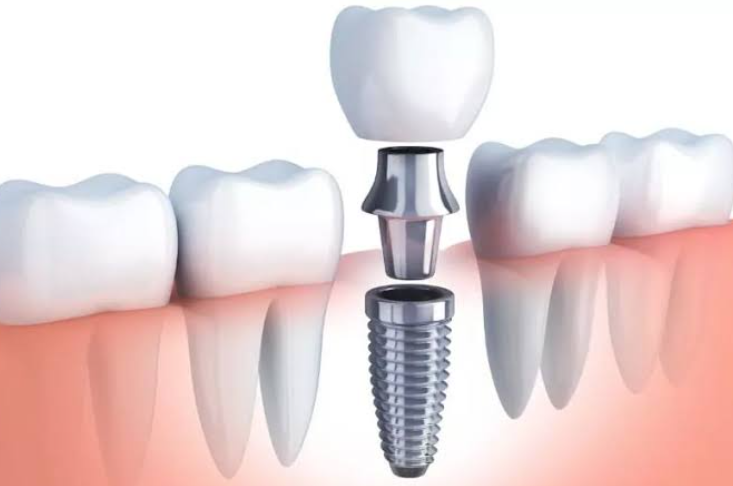
Digital treatment planning has changed that. With 3D imaging and guided planning software, your dentist can evaluate bone, gum shape, tooth position, and bite before the implant is placed. That matters because esthetics start below the surface. The visible crown depends on what supports it.
Research on digital workflows in implant dentistry shows that computer guided planning can improve accuracy and support more predictable restorative outcomes. You can review this published overview of digital workflows in implant dentistry for a closer look at how these tools are used in practice.
For you, this means fewer surprises. A well planned implant is more likely to support a crown that lines up with your smile instead of standing out for the wrong reason. This is one of the clearest examples of how technology enhances the appearance of implant restorations before the visible part is even made.
Intraoral scanning captures details that old impressions often missed
Traditional impressions have a way of making people tense up. The trays feel awkward, the material can trigger gagging, and small distortions can happen if the impression shifts or pulls. When the goal is a front tooth that looks seamless, small distortions matter.
Intraoral scanners replace that process with a digital scan of your teeth and gums. The scanner captures shape, contour, spacing, and the way your restoration needs to fit against neighboring teeth. That level of detail helps the final crown emerge from the gums in a way that looks more like a real tooth, not a piece placed on top of the tissue.
The visual benefit is easy to understand. Better data in means better design out. When your dentist and lab are working from a highly accurate scan, they can refine the contours, contacts, and symmetry with less guesswork. That is a major reason many patients seeking cosmetic implant restorations ask whether a practice uses digital scanning.
See also: Understanding Business Loan Options for Entrepreneurs
CAD and CAM design improves shape, symmetry, and smile harmony
Even a strong implant crown can look wrong if the shape is off. Teeth are not just white blocks. They reflect light in specific ways, and they have line angles, translucency, and proportions that affect whether a restoration disappears into your smile or draws attention.
CAD and CAM technology, which stands for computer aided design and computer aided manufacturing, helps create restorations with more control over these details. Instead of relying only on manual wax ups and visual estimates, the restoration can be digitally designed to fit your bite, mirror nearby teeth, and support the gumline more naturally.
Dental literature from Penn also discusses the esthetic demands of implant restorations and the factors that shape a successful result, including soft tissue form and crown contours. You can read more in this University of Pennsylvania resource on implant esthetics.
This is where many people feel relief. You are not depending on luck. Your dental implant restoration can be designed with the full smile in mind, not just the missing tooth.
Advanced materials create implant crowns that reflect light more like real teeth
Color matching used to be one of the hardest parts of implant dentistry. A crown could be close, but still look too opaque, too bright, or too flat under certain lighting. That is often what makes a restoration look artificial.
Modern ceramics and layered restorative materials have improved that problem. High quality zirconia and porcelain based materials can be customized for shade, translucency, surface texture, and brightness. The goal is not just to match the color chip. The goal is to match the way a natural tooth behaves in light.
This matters even more in the front of the mouth, where every detail is visible. If you have thin gums or a high smile line, material choice becomes part of the esthetic strategy, not just a technical decision. A skilled provider offering dental implant services can use these materials to create a result that feels less obvious and more like your own tooth.
Technology improves the look of implant restorations in measurable ways
| Technology | What It Improves | Esthetic Benefit |
| 3D imaging and digital planning | Implant position and angulation | Crown sits in better alignment with nearby teeth |
| Intraoral scanning | Accuracy of tooth and gum records | More natural fit, contour, and emergence profile |
| CAD and CAM design | Crown shape, symmetry, and bite integration | Restoration blends into the smile instead of standing out |
| Modern ceramic materials | Shade matching and light reflection | More lifelike color, translucency, and surface texture |
Clear next steps help you avoid an implant restoration that looks out of place
Ask how the implant is planned. If a practice uses 3D imaging, guided planning, and digital design, that usually means more attention is being paid to the final appearance, not only the surgical step.
Request examples of similar cases. Before and after photos of single tooth implants, especially in the front of the mouth, can show whether the provider consistently creates natural gum contours, color match, and symmetry.
Talk about materials and smile goals early. If you know you care about translucency, shape, or matching a neighboring tooth, say that at the start. Esthetic dental implant treatment works best when those details guide planning from day one.
If you have been hesitating because you are afraid the final result will look fake, that fear makes sense. A missing tooth affects more than your bite. It changes how you carry yourself. The good news is that modern technology has given implant dentistry far better tools to create results that look believable, balanced, and personal to you. When you are ready, schedule a consultation with an implant and cosmetic dentist and ask how their technology supports the appearance of your restoration.