Key Takeaways
- Pest activity changes with Indianapolis weather, from winter shelter-seeking to summer insect pressure.
- Cleaning, sealing openings, and correcting moisture issues can prevent many common problems.
- Monitoring and accurate identification should precede treatment selection.
- Persistent, hidden, or hazardous infestations may require professional assistance.
Indianapolis homeowners deal with changing pest pressures throughout the year. Cold weather can drive rodents and insects into protected indoor spaces, while spring rain, summer heat, and fall temperature swings create new opportunities around the property. A seasonal routine helps you identify small issues before they become larger pest problems.
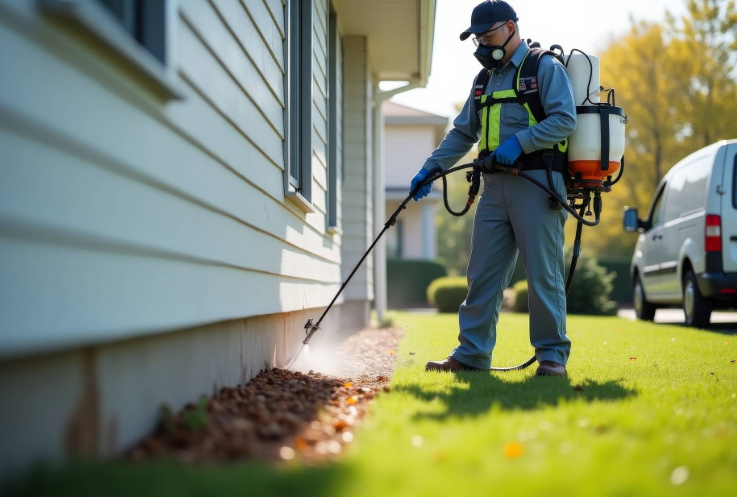
Home maintenance is often the first line of defense, but situations involving active rodents, stinging insects, bed bugs, or suspected structural pests may require professional pest control services. Whether you handle basic prevention yourself or bring in help, the goal is the same: reduce access to food, water, shelter, and entry points.
Why Seasonal Planning Matters
Pests respond to practical needs, not the calendar alone. Temperature, available moisture, accessible food, dense vegetation, and unsealed openings all affect where they settle. Checking these conditions season by season is more useful than waiting until you see damage, droppings, nests, or repeated indoor insect activity.
Winter conditions can push mice and other pests toward warm utility spaces. Spring moisture supports insect activity near foundations and landscaping. Summer can increase activity from ants, mosquitoes, flies, and wasps. During the fall, rodents and overwintering insects often look for gaps leading into attics, wall voids, garages, and basements.
Winter Home Check
Winter is a good time to inspect quiet indoor areas that are easy to overlook. Start in basements, crawl spaces, attics, garages, storage rooms, and utility closets. Look along walls and behind stored items for droppings, gnaw marks, shredded paper, nesting material, grease marks, or unusual odors.
- Store dry goods, pet food, birdseed, and treats in tightly sealed containers.
- Repair drips near sinks, water heaters, washing machines, and plumbing lines.
- Keep cardboard boxes away from walls and off damp concrete floors when possible.
- Remove clutter that creates sheltered hiding places behind appliances or stored belongings.
- Check garage doors and exterior doors for daylight around the edges.
Spring Prevention Steps
Spring cleanup reduces the moisture and cover that can support pests as temperatures rise. Work from the outside in, beginning at the foundation and moving toward doors, windows, rooflines, and indoor storage areas. Early repairs can also help prevent water-related damage from becoming a longer-term issue.
Photorealistic candid lifestyle photo of an Indianapolis homeowner inspecting the foundation and window area of a modest house during spring cleanup, holding a small flashlight and noting a gap near the trim, with natural overcast daylight, slightly imperfect yard conditions, and an authentic documentary-style feel.
- Inspect window screens, screen doors, and door sweeps for tears or gaps.
- Clear leaves, mulch buildup, and debris away from foundation walls.
- Trim shrubs, vines, and tree branches so they do not touch the house.
- Clean gutters and make sure downspouts direct water away from the foundation.
- Check soft trim, damp wood, and cracks near doors, windows, and siding.
- Empty rainwater from planters, toys, tarps, buckets, and other containers.
A prevention-first approach is usually more practical than treating every insect sighting.
Managing Summer Pest Pressure
Warm, humid periods can make patios, trash areas, gardens, and shaded landscaping more attractive to pests. Focus on removing dependable food and water sources, especially around outdoor gathering spaces. Keep trash can lids closed, rinse containers before recycling, and clean drink spills or grill residue promptly.
Walk the yard after rainfall to spot standing water in low areas, wheelbarrows, toys, clogged gutters, and plant saucers. Store firewood raised off the ground and away from the house, because wood piles can provide shelter for insects and rodents. Keep grass, weeds, and thick ground cover trimmed near the foundation, and inspect play areas for nests before children or pets use them.
Fall Entry Points to Watch
Fall is the time to focus on exclusion. Before colder weather arrives, inspect the exterior for openings around pipes, cable lines, dryer vents, exterior faucets, and utility connections. Replace worn weatherstripping, repair damaged screens, and seal cracks with a material suited to the surface and the size of the gap.
- Check chimney caps, attic vents, roofline openings, and soffit screens.
- Repair loose siding, damaged trim, and gaps beneath garage or exterior doors.
- Move compost, leaf piles, and excess mulch away from the home.
- Inspect used furniture, packages, firewood, and holiday decorations before bringing them inside.
- Keep outdoor storage organized so you can notice new nesting material or damage.
A Simple Monthly Home Inspection Routine
A 15- to 20-minute monthly inspection makes pest prevention easier to manage. Start outside by walking the foundation and noting moisture, trails, nests, damaged screens, or new gaps. Then check food areas such as pantries, pet-food stations, cabinets, and recycling bins for crumbs, chewed packaging, or insects.
Next, look under sinks, behind appliances, around bathrooms, and along basement walls for leaks or dampness. Finish by checking quieter spaces, including the attic, garage, crawl space, and storage room. Take photos and record the date, location, and signs you find. A simple record helps you see whether activity is isolated or growing.
Safe Pest Control Choices
One insect indoors does not always mean there is an infestation. Identify what you are seeing, consider where it appeared, and look for repeat activity before choosing a control method. Start with sanitation, moisture correction, exclusion, traps, or standing-water removal. These steps address the conditions pests need, rather than only reacting to what is visible.
If a product is necessary, read the entire label and use it only as directed. Keep baits and traps where children and pets cannot reach them, never mix products, and never transfer pesticides into another container. Avoid broad indoor spraying or foggers unless the label specifically permits that use. Record the product, location, date, and result so you can judge whether the approach worked.
See also: What Makes a Family Law Strategy More Effective
When to Call for Help
Some situations are difficult or unsafe to manage with routine home care. Seek additional help if activity continues after cleaning and sealing, rodents are active in walls or ceilings, stinging insects are near doors or play spaces, or you suspect bed bugs, termites, or another hidden pest. Structural damage, contamination, or pesticide exposure also deserve prompt attention.
Before hiring a provider, compare estimates, ask for a written plan, confirm licensing, and discuss how treatments will be used safely. The EPA’s tips for selecting a pest control service can help homeowners evaluate experience, credentials, treatment details, and recommended nonchemical steps.
Conclusion
Pest prevention works best as a regular home-care habit. A few minutes each month spent inspecting, cleaning, managing moisture, and repairing small gaps can reduce the conditions pests need to settle in. Following this seasonal checklist throughout 2026 can help Indianapolis homeowners act early and keep their homes more comfortable year-round.