As the summer heat intensifies, a dependable air conditioning system quickly becomes a necessity in homes and businesses. However, air conditioners are complex machines with many components that can develop issues over time. By learning about the frequent problems and the best ways to prevent them, homeowners can maintain comfort and keep energy costs under control. For homeowners facing urgent system issues, prompt air conditioning repair ensures that comfort is restored when it is needed most.
Heating and cooling professionals report that many AC issues start small and become serious if left unattended. Regular maintenance and a timely response to warning signs can help ensure that your air conditioner runs reliably through the warmest months. Addressing issues early can also extend the life of your system and improve indoor air quality, making the environment healthier for your family and guests.
Beyond basic comfort, there are substantial financial and environmental incentives to keep your AC unit running smoothly. Inefficient systems use more electricity, resulting in higher utility bills and increased environmental impact due to higher energy consumption. Understanding the root causes of common breakdowns is the first step in keeping problems at bay throughout the cooling season.
By being proactive, you can reduce unexpected expenses, avoid system downtime, and ensure consistent energy efficiency. And if you want additional troubleshooting help, large resources such as the Department of Energy’s air conditioner problems guide can provide detailed advice on staying ahead of potential failures.
Dirty or Clogged Air Filters
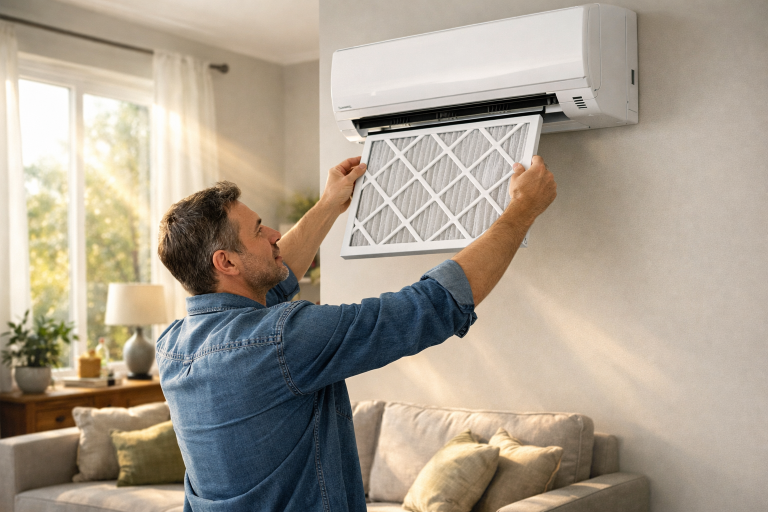
One of the most frequent causes of inefficient cooling is the accumulation of debris in your air filter. When filters aren’t regularly cleaned or changed, dust, pet hair, and other particles gather, making it difficult for your air conditioner to circulate air. This extra strain can cause your system to run longer cycles, reduce the effectiveness of cooling, and even damage important internal components.
- Check filters monthly, especially if you have pets or live in a dusty environment.
- Replace air filters every 1–3 months, following manufacturer recommendations.
- Make sure the filter fits snugly in place to prevent air from bypassing it.
Consistent filter maintenance can dramatically improve your AC’s performance and help keep indoor allergies at bay, leading to better overall indoor air quality.
Refrigerant Leaks
Proper refrigerant levels are crucial for cooling efficiency. If your AC develops a leak, the loss of refrigerant creates several problems, such as inadequate cooling, warm air from vents, or even icing on the coils. These issues may result in your AC running longer than necessary, driving up energy consumption and increasing wear on the system. Typical warning signs include:
- Hissing or bubbling noises from the unit.
- Ice forming on the refrigerant lines or evaporator coil.
- The air conditioner blows warm air despite the thermostat setting.
If you see any of these signs, contact a professional immediately to safely repair the leak and recharge the refrigerant. Handling refrigerants requires specialized knowledge and equipment due to environmental and health regulations.
Electrical Issues
The electrical system is central to your air conditioner’s safe and reliable operation. Issues with wiring, circuit breakers, or internal components can prevent your unit from starting or cause it to shut off unexpectedly. The most common problems include:
- Blown fuses or tripped circuit breakers.
- Corrosion on wires or terminals.
- Malfunctioning capacitors, relays, or contactors.
These electrical problems are best handled by a certified professional. Regular inspections can prevent dangerous short circuits and help ensure your air conditioner operates safely.
Thermostat Malfunctions
Faulty thermostats can cause cooling cycles to become erratic or the AC to fail to turn on. Sometimes, the problem is as simple as dead batteries, but it can also be due to wiring issues or outdated devices. To get the most accurate temperature readings, always place your thermostat away from direct sunlight, lamps, or other heat sources, as these can distort its readings and cause uneven cooling. Other tips include:
- Double-check your thermostat settings.
- Replace batteries annually if needed.
- Consider upgrading to a programmable or smart thermostat for more control and efficiency.
Drainage Problems
Air conditioners remove humidity as they cool the air, creating condensation that drains away from your home. If the drain line becomes blocked, water may back up and cause water damage, increased humidity, or mold growth inside the system. To help prevent these issues:
- Inspect and clean the drain line regularly.
- Ensure your air conditioner is level so water can drain properly.
- Install a safety float switch to automatically shut off the system if a clog is detected.
Sensor Problems
Temperature sensors inside your air conditioner monitor the environment and control the cooling cycle. If a sensor is moved or bent, the system may not behave as expected, leading to constant cycling or erratic cooling. Solutions include:
- Checking that the sensor is near, but not touching, the evaporator coil.
- Repositioning the sensor carefully if needed.
- Contacting a professional if you are unsure about adjusting the sensor.
For more troubleshooting help, Consumer Reports offers a comprehensive guide to AC troubleshooting, with advice that covers both simple and more advanced issues.
See also: Understanding Business Loan Options for Entrepreneurs
Preventive Maintenance Tips
Routine maintenance is the foundation of a reliable air conditioning system. Expert technicians recommend annual inspections, but homeowners can take simple steps year-round, such as:
- Clearing debris and plants away from the outdoor condenser unit.
- Replacing or cleaning air filters on a regular schedule.
- Scheduling a professional tune-up at least once per year.
- Addressing new noises, reduced airflow, or unusual smells promptly.
By keeping up with preventive care, you not only maximize your system’s efficiency and comfort but also safeguard against sudden breakdowns that can disrupt your season.
By recognizing these common air conditioner issues and proactively addressing potential causes, homeowners can secure consistent performance from their cooling systems. Regular care ensures efficient operation, indoor comfort, and longer equipment lifespan throughout the hottest days of the year.