Home appliances play an essential role in ensuring daily routines run smoothly, offering convenience and efficiency in the household. With repeated use, however, appliances are at risk of premature wear and costly breakdowns. A proactive approach to maintenance and usage can greatly impact how long your devices last and how well they function. For those looking to maintain and repair their machines, easily accessible parts like those available at Samsung Parts can be invaluable in keeping appliances in top shape over the years.
By following a few simple strategies, you can not only prevent common issues but also save money and reduce waste. With mindful habits and timely intervention, appliances can reliably serve your home for many years, helping you avoid the inconvenience of untimely failures or the expense of replacements. This approach also contributes to a more sustainable lifestyle by reducing unnecessary waste.
Regular Cleaning and Maintenance
One of the most effective and affordable ways to extend the life of your appliances is through regular cleaning and basic maintenance. Refrigerators, for example, benefit greatly when the condenser coils are cleaned every six months. Dust and debris, if allowed to accumulate, force compressors to work overtime and increase the risk of failure. Ovens and stoves are also more likely to last if spills and grease are promptly cleaned to prevent buildup, which can affect both performance and safety. Routine filter replacement in appliances like dishwashers and dryers can prevent clogs and improve efficiency, helping avoid potential breakdowns or fire hazards.
Avoiding Overloading
Many homeowners inadvertently shorten the lifespan of their machines by exceeding recommended load limits. Washing machines, dishwashers, and dryers are particularly at risk. When overloaded, these appliances experience mechanical stress, with washing machine drums becoming unbalanced and bearings or belts sustaining unnecessary wear. Sticking to manufacturer guidelines for load sizes ensures the equipment operates as intended and reduces the risk of costly repairs.
Proper Usage Practices
Appliances must be used as designed to function well in the long term. Misusing appliances, such as using oven doors as makeshift shelves or placing uncovered hot food in refrigerators, can lead to damage and reduced efficiency. Proper handling and careful use of controls and doors can also play a critical role in maintaining the hardware. Habits such as allowing dishwashers or washing machines to complete their full cycles before opening them help ensure mechanical parts are not unnecessarily strained.
Protecting Against Power Surges
Power surges, particularly during storms or electrical work, pose a significant threat to sensitive digital controls and internal circuitry in modern appliances. Using surge protectors can prevent electrical spikes from damaging components, thus avoiding sudden breakdowns and extending the appliance’s useful life.
See also: Enhancing Business Efficiency with Advanced Commercial Refrigeration
Replacing Worn Parts
Regularly checking and replacing small, affordable components such as filters, seals, hoses, and gaskets can help prevent major problems from developing. A cracked hose or a worn-out door seal on a refrigerator, for example, can cause leaks or cooling issues, leading to increased energy consumption and risk of more extensive damage. Many manufacturers provide guidelines on when these components should be replaced, and acting early can ensure continued appliance performance without major interruptions.
Scheduling Professional Inspections
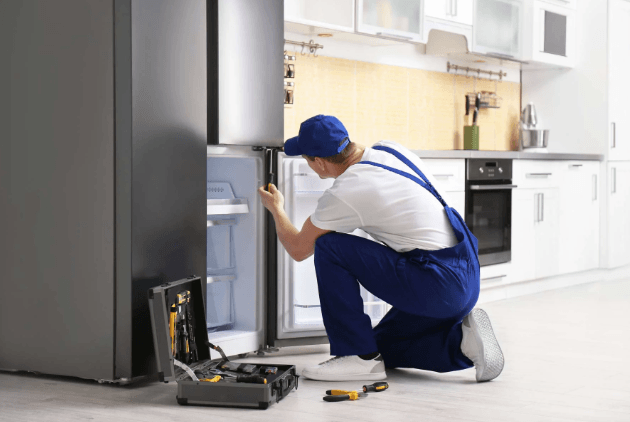
Annual or biennial professional check-ups are a prudent investment for household appliances, especially larger systems like stoves, washing machines, and refrigerators. Technicians are trained to spot signs of wear that homeowners might overlook, such as small gas leaks, weakening hoses, or failing electronic modules. Early professional intervention can significantly reduce the likelihood of sudden breakdowns and extend the life of even older appliances. For a deeper understanding of preventive maintenance, the Consumer Reports website offers in-depth, research-based tips and regular maintenance suggestions.
Investing in Quality Appliances
Choosing high-quality appliances, even if they cost more initially, often results in better longevity and overall performance. Well-reviewed products from reputable brands are often designed with more durable materials and superior engineering. Checking for comprehensive warranties and positive customer feedback can help ensure your investment stands the test of time, reducing waste and repair costs over the years.
Disposing of Old Appliances Responsibly
Eventually, even well-cared-for appliances will reach the end of their service life. Responsible disposal is essential to minimize environmental impact. Many communities offer appliance recycling programs that prevent harmful substances and heavy metals from entering landfills. Proper disposal not only protects the ecosystem but also allows for the recovery and reuse of valuable materials, contributing to a sustainable future. Local government websites often provide specific guidance on the most environmentally friendly disposal methods available in your area.
By maintaining a consistent cleaning routine, avoiding overloading, practicing careful use, protecting against power issues, replacing worn parts, scheduling inspections, investing wisely, and disposing of waste responsibly, you can maximize the operational efficiency and lifespan of your household appliances. These efforts lead to cost savings, reduced waste, and a more resilient and sustainable home for years to come.