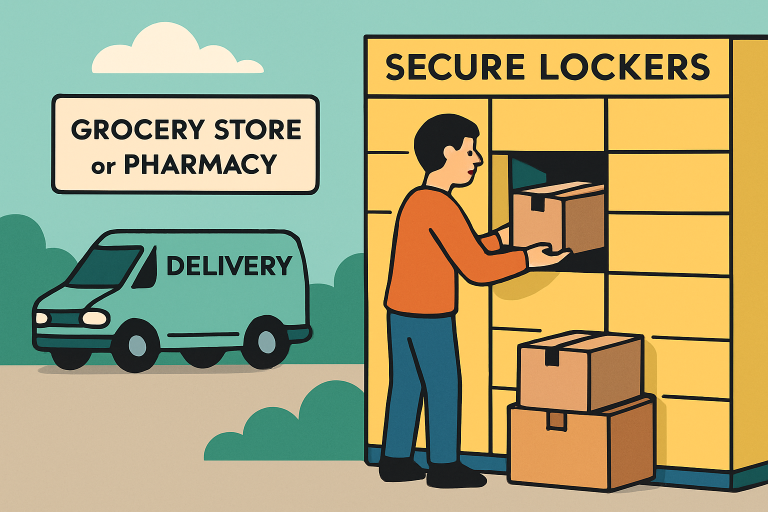
As e-commerce continues to flourish, the methods by which people receive their packages are undergoing a significant transformation. No longer are consumers limited to waiting at home for deliveries. Modern logistics are now making it possible to collect parcels at secure, accessible locations. This shift has made receiving packages not only more flexible but also more reliable and secure. To see this in action, you can Find Your Nearest Access Point on the UPS Website and discover convenient ways to manage your deliveries close to home or work.
Package pickup points, including lockers at grocery stores, pharmacies, and local businesses, are rapidly becoming favored alternatives. These systems serve urban and suburban areas alike and are helping both customers and delivery services avoid the pitfalls of package theft, missed drop-offs, and limited delivery windows. With rising consumer expectations for speed and reliability, these flexible options are transforming the delivery experience across the board.
The shifting landscape of last-mile logistics is about more than just convenience. Enhanced security, environmental sustainability, and urban planning are also being addressed by consolidating package delivery at centralized points. Rather than making multiple trips to individual homes, delivery services can transport several packages at once to a locker or store, which customers then access based on their own schedules. This underlying change is influencing new delivery trends, city logistics, and even environmental policy discussions.
Many cities are actively encouraging this approach as a solution to traffic congestion and rising theft rates. These efforts are also prompted by consumers who want to avoid missed deliveries and the inconvenience of rescheduling drop-offs. With e-commerce showing no signs of slowing down, the enhancement of fulfillment networks through pickup points signals a broader evolution for both retailers and recipients.
The Rise of Package Pickup Points
The explosive growth of online shopping has put unprecedented pressure on delivery systems worldwide. Traditional doorstep delivery, while convenient, has proven to be less secure and less efficient as volumes have soared. This situation led to the rapid expansion of package pickup points, secure lockers, and staffed counters placed in accessible locations such as supermarkets, pharmacies, and neighborhood businesses. Not only do these points help reduce the burden on delivery drivers, but they also provide a reliable option for people who may not be home during usual delivery hours.
The flexibility of pickup points supports modern lifestyles and offers a safer alternative to leaving packages on doorsteps. With many people returning to the office or maintaining busy schedules, the ability to control when and where parcels are collected is transforming expectations in the shipping industry.
Benefits of Using Pickup Points
- Enhanced Security: Items stored in locked compartments minimize the risk of stolen or misplaced packages. Many locations offer surveillance and restricted access to further ensure safety.
- Convenience and Flexibility: Customers can retrieve packages outside of typical business or delivery hours, fitting pickups around their daily lives and reducing the chances of missed deliveries.
- Simplified Logistics: Single-trip drop-offs to centralized lockers or counters are more efficient for couriers, allowing for greater route optimization and fewer delivery attempts.
Implementation in Major Cities
To improve urban logistics and reduce environmental impact, major metropolitan areas are integrating public delivery lockers into local infrastructure. New York City’s LockerNYC program is a standout example. Dozens of public locker sites have been set up on sidewalks, aiming to reduce both theft rates and the number of delivery vehicles crowding busy streets. This approach not only improves package security for residents but also helps manage the logistical challenges of delivering tens of thousands of packages daily in densely populated zones. Chicago, San Francisco, and London are rolling out similar networks, working with major carriers to streamline deliveries in their urban cores.
See also: Enhancing Business Efficiency with Advanced Commercial Refrigeration
Consumer Preferences and Trends
Modern consumers are driving the rapid adoption of pickup points. According to industry research, a significant majority now prefer the option to collect packages at a local access point, rather than waiting at home. Motivations include minimizing theft risks, convenience, and a desire for scheduling control. As more retailers and couriers offer these options, adoption rates are steadily rising. Research from sources like Forbes confirms that shoppers expect seamless, secure delivery experiences that fit their individual routines and prioritize flexibility over tradition.
Technological Advancements in Package Delivery
State-of-the-art technology is shaping the future of package collection. Apps and digital platforms help users track, receive notifications, and even open lockers using biometric data or QR codes. The United States Postal Service, for example, offers Informed Delivery, which gives residents a digital preview of their incoming mail and allows easy management of package pickups. Major retail and logistics companies are also investing in artificial intelligence and machine learning to predict delivery times and automate pickup processes, making the entire system increasingly efficient and user-friendly.
Environmental Impact of Pickup Points
Centralizing parcel collection can deliver real environmental benefits. Fewer home deliveries mean a reduction in fuel usage and fewer miles traveled by delivery vehicles. This change translates directly into lower emissions and less traffic congestion in urban neighborhoods, which is a top priority for many cities working to combat climate change. According to a report from Reuters, industry studies show that consolidating last-mile deliveries can significantly decrease overall carbon output, especially when paired with green transportation alternatives.
Challenges and Considerations
- Accessibility: Pickup points need to be equitably distributed to ensure that all neighborhoods, including underserved ones, have convenient access to these solutions.
- Security Risks: While lockers are highly secure, they still require vigilant maintenance to prevent unauthorized access and to ensure smooth operation for all users.
- Consumer Adoption: Ongoing education and incentives may be necessary to encourage more people to choose pickup points over traditional home delivery methods.
Future Outlook
With urban populations growing and e-commerce demands on the rise, package pickup points are expected to become a standard feature in logistics. Future advances may include further integration with smart city infrastructure, greener delivery fleets, and continued innovation in secure, user-friendly pickup experiences. Both cities and consumers stand to benefit as these systems become more widespread, creating a smarter, safer, and more sustainable way to receive everyday necessities.
In summary, package pickup points are proving to be a transformative force in the way packages are delivered and received. They offer a secure, flexible, and environmentally friendly solution, redefining what is possible in modern e-commerce and urban logistics.