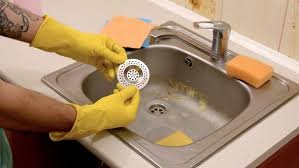
You know that feeling when you walk into your kitchen or bathroom and catch a whiff of something that definitely isn’t your scented candle? It is that damp, earthy, or flat-out swampy odor that seems to linger no matter how much bleach you pour down the sink. Most of us try to prevent plumbing issues with routine drain maintenance by clearing out hair or food scraps, but sometimes the smell just sticks around like an unwanted houseguest. If you have tried the baking soda tricks and the boiling water flushes only to have the stink return two days later, you are likely dealing with a hidden culprit that most homeowners overlook entirely.
The Mystery of the Dry P-Trap
The first place to look when your nose starts wrinkling is right under the sink. Every drain in your house has a P-trap, a U-shaped pipe designed to hold a small amount of water at all times. This water acts as a seal, blocking sewer gases from rising into your living space.
If you have a guest bathroom or a basement floor drain that is not used often, the water in the trap can evaporate. Once that liquid barrier is gone, you are basically hosing sewer air directly into your home. The fix is usually as simple as running the faucet for a minute to refill the trap, but if the smell persists even in frequently used sinks, the problem might be deeper.
Biofilm: The Slime You Cannot See
Is your P-trap full, but there’s still an atrocious smell? You are probably dealing with biofilm. This is a fancy word for the living colony of bacteria, soap scum, and skin cells that clings to the inside of your pipes. Over time, this mixture creates a thick, slimy coating that thrives in the damp environment of a drain.
Standard liquid cleaners often just slide right over the top of this gunk without actually removing it. Think of it like trying to clean a greasy pan by just running water over it; you need some level of friction or a specific enzyme to actually break that bond. When biofilm builds up, it off-gases a pungent aroma reminiscent of rotting vegetation or sulfur.
The Vent Stack: Your Roof’s Best Kept Secret
This is the “hidden cause” that almost nobody checks. Your plumbing system needs air to move water efficiently. To get that air, your pipes are connected to a vent stack that protrudes from your roof. If a bird builds a nest in that vent or if autumn leaves clog the opening, the air pressure in your pipes goes haywire.
When the vent is blocked, the vacuum created by a flushing toilet or a draining tub can actually suck the water right out of your P-traps. This leaves your home wide open to those nasty smells. If you have noticed gurgling sounds coming from one sink when you drain another, your vent stack is likely the culprit. Climbing onto the roof is not for everyone, so this is often when people look into professional drain cleaning services to clear the lines properly.
Why Your Garbage Disposal Is Lying To You
We often assume that because the disposal grinds things up, they are gone forever. In reality, the underside of the rubber splash guard is a breeding ground for mold and old food particles. Since we rarely look at the bottom of that rubber flap, it collects a layer of “gunk” that smells horrific.
A quick way to check this is to put on a glove and wipe the underside of the black rubber ring. If it comes back covered in gray or black sludge, you have found your source. Scrubbing that area with an old toothbrush and dish soap can do wonders for your kitchen’s overall scent.
Read Also: Leveraging Technology for Efficient MEP and Electrical Estimating Services
Breaking the Cycle of Temporary Fixes
Many people reach for harsh chemical cleaners the moment a drain gets funky. The problem is that these chemicals are heavy and fast-moving. They might burn a small hole through a clog, but they rarely scrub the entire circumference of the pipe. Plus, if you have older metal pipes, those chemicals can actually eat away at the material, leading to pinhole leaks that cause even bigger (and more expensive) headaches down the road.
Instead of reaching for the “nuclear” option, try a mixture of hot water and vinegar once a week. It is gentler on your plumbing and helps break down the minerals that allow biofilm to take hold in the first place.
Final Thoughts
At the end of the day, a smelly drain is your house’s way of telling you that something is out of balance. Whether it is a dry trap, a clogged roof vent, or just a stubborn layer of bacterial slime, these issues are usually easy to handle if you catch them early. The best way to keep your home smelling fresh and your pipes flowing is to prevent plumbing issues with routine drain maintenance before the odor becomes unbearable. A little bit of attention today saves you a whole lot of scrubbing tomorrow.