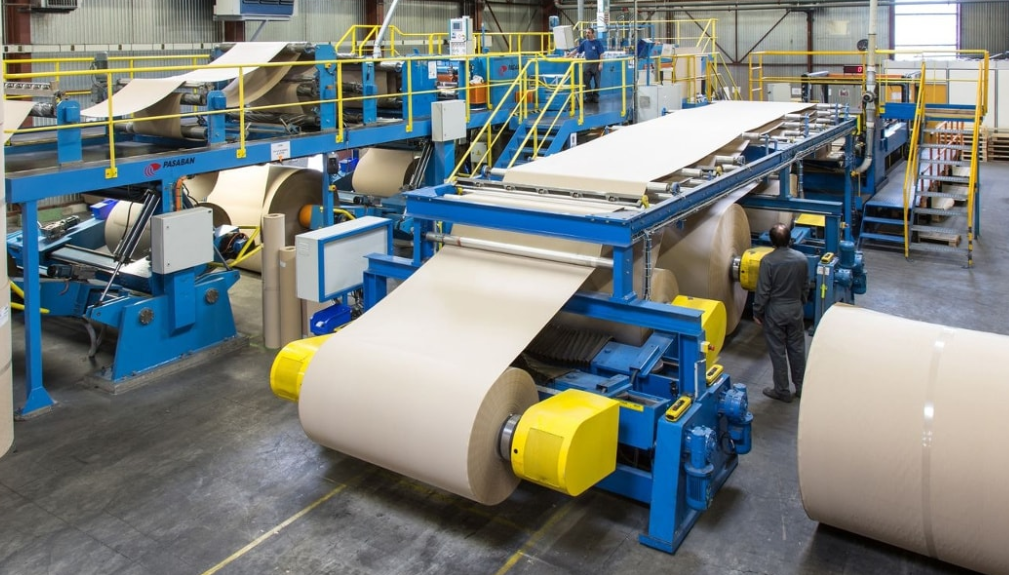
The pulp and paper sector is undergoing a period of transformation as companies seek to balance industrial productivity with environmental responsibility. Traditional manufacturing processes, which historically have been energy- and water-intensive, are being reimagined through a variety of sustainable innovations that reduce emissions, conserve resources, and enhance material efficiency. From the integration of renewable energy and energy-efficient drying systems to the adoption of alternative fibers and advanced recycling technologies, the industry’s evolution reflects a broader commitment to lowering its ecological footprint while meeting growing demand for paper and fiber products.
Within this context, many facilities that serve as the backbone of production are integrating smarter practices and technologies to optimize operations. Resources such as those outlined on sites like https://bluegrassbit.com/industries-we-serve/pulp-and-paper-mill/ illustrate the diverse infrastructure and maintenance frameworks that support pulp and paper mills in sustaining efficient, safe, and adaptable production environments. As sustainability becomes central to future growth, innovations in automation, material sourcing, and circularity are helping to redefine what responsible pulp and paper production can look like.
Carbon Capture Initiatives
One of the most groundbreaking trends in sustainable pulp and paper production is the adoption of carbon capture technologies. For example, Microsoft’s partnership with CO280 marks a trailblazing commitment to the environment, with a pledge to purchase 3.7 million tons of CO₂ removal over 12 years, targeting carbon capture directly from pulp and paper mills. This partnership isn’t just about offsetting emissions—it’s about harnessing the inherent carbon absorption powers of sustainably managed forests, which are integral to the industry. These large-scale carbon removal projects underscore how industry leaders are complementing operational improvements with holistic climate solutions, and their success will set a precedent for future public-private collaborations.
Alternative Pulping Methods
Traditional kraft pulping is notorious for its heavy energy consumption and release of greenhouse gases. Recognizing the limitations of legacy systems, research teams, such as those at NC State University, are pioneering novel processes, including the use of deep eutectic solvents (DES) to dissolve lignin. Unlike the classic Kraft process, which relies on harsh chemicals and significant heat input, DES pulping allows for a gentler yet highly effective breakdown of wood fibers. The environmental benefits are twofold: substantial reductions in fossil fuel use and lower overall emissions. As this technology matures, it holds promise for drastically improving the sustainability of pulp production and providing the industry with scalable, cleaner alternatives.
See also: AI-Powered Dashboards: The Future of Business Insights
Utilization of Alternative Fibers
To ease the burden on forests and bolster sustainable supply chains, more companies are turning to fast-growing, renewable fibers such as bamboo, hemp, and sugarcane bagasse. These alternatives regenerate faster than traditional wood sources and often utilize agricultural by-products that would otherwise be discarded. Transitioning away from wood-centric pulping helps mitigate deforestation, diversify risk, and lend new products a marketing edge as “tree-free” or “agri-fiber” options. Such approaches are particularly relevant for regions facing resource scarcity or supply chain barriers.
Biodegradable Packaging Solutions
As e-commerce and global shipping continue to expand, the environmental impact of packaging waste has emerged as a significant concern. In response, the industry is innovating with biodegradable and compostable packaging solutions. Notably, advancements include the development of water-resistant, fully recyclable paper-based materials that can replace traditional Styrofoam boxes in critical applications, such as transporting sensitive agricultural products, including those used by bees. These eco-friendly alternatives not only keep their promises of sustainability but also help protect the essential living components of ecosystems that are vital for agriculture and biodiversity.
Digital Transformation and AI Integration
Pulp and paper mills are embracing the smart factory revolution by integrating advanced analytics, machine learning, and AI into their operations. AI-powered quality control systems now identify and resolve process defects in real-time, routinely reducing production errors by up to 20%. Predictive maintenance powered by digital twins and cloud-based inventory management platforms accelerates efficiency, slashes downtime, and ensures supply chain resilience. The sector’s embrace of digitalization supports proactive, data-driven decisions, which are especially critical in today’s volatile, demand-driven markets.
Recycling Innovations
The next frontier for sustainability in pulp and paper lies in advanced recycling. By investing in processes that extend the life of pulp fibers and enable the “upcycling” of lower-grade paper waste, mills can reduce their dependency on virgin fiber while simultaneously cutting costs. Initiatives such as Södra’s OnceMore® project combine textile waste with certified wood fiber to create high-quality dissolving pulp—a major step toward a viable circular textile economy. Such breakthroughs not only lower environmental impact but also cater to brands and consumers demanding a second life for materials once considered disposable.
Conclusion
Sustainable innovations are ushering in a new era for the pulp and paper industry. As companies invest in carbon capture, pursue cleaner pulping methods, adopt biodegradable packaging, and fully harness digital transformation, the industry is solidifying its role as a steward of environmental responsibility and economic growth. These advances not only address today’s challenges but also ensure the ongoing evolution and relevance of pulp and paper production for tomorrow’s world.