Key Takeaways
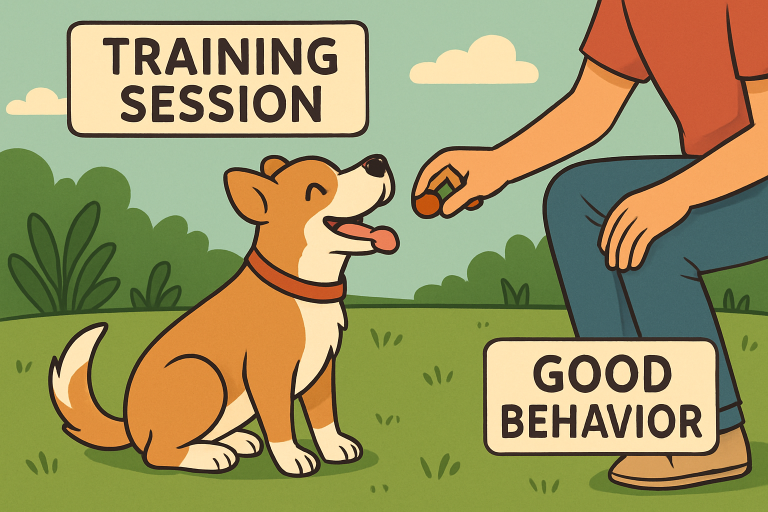
- Positive reinforcement rewards desirable behaviors, encouraging dogs to repeat them while building trust.
- This method is effective for dogs of all ages and backgrounds, offering a kinder alternative to punitive training.
- Benefits include faster learning, stronger owner-dog bonds, and reduced behavioral issues such as aggression or anxiety.
- Techniques like clicker training, consistent rewards, and short training sessions improve results.
- Common mistakes to avoid include inconsistent timing, over-reliance on treats, and ignoring individual dog preferences.
- Patience, consistency, and understanding your dog’s needs are key to successful, enjoyable training.
Building a strong relationship with your dog begins with effective, respectful training. Among the various approaches, positive reinforcement stands out for its compassionate methods and proven results. This technique rewards desired behaviors, encouraging your dog to repeat them while fostering a trusting, communicative environment. If you are beginning your journey with a new pet or hoping to refine your dog’s behavior, consider learning more about Word Of Mouth Dog Training for expert guidance that aligns with positive reinforcement principles.
Positive reinforcement training methods have gained significant attention for their science-backed results. Numerous veterinarians and professional dog trainers recommend reward-based approaches due to their effectiveness in shaping behavior without causing stress, fear, or confusion. Instead of punishing unwanted behaviors, positive reinforcement turns each training session into a learning opportunity and bonding experience.
Understanding Positive Reinforcement
At its core, positive reinforcement involves providing a motivating reward immediately following a desirable behavior. This approach increases the odds that your dog will repeat that behavior in the future. Rewards can include treats, praise, toys, or even a few moments of playtime. Unlike punitive training methods, positive reinforcement is grounded in scientific evidence that shows dogs learn best in supportive environments. Studies show that dogs trained with positive reinforcement display enthusiasm and eagerness during training sessions and develop greater confidence overall. According to the ASPCA, positive reinforcement helps reduce anxiety and is one of the most humane ways to train your pet.
Benefits of Positive Reinforcement Training
- Enhanced Learning: Dogs assimilate new commands more rapidly when rewarded for correct responses. This not only expedites the training process but also instills a sense of accomplishment in your dog.
- Strengthened Bond: Training sessions that focus on mutual respect and rewards foster deeper trust between dogs and their owners, laying the groundwork for lifelong companionship.
- Reduced Behavioral Issues: Dogs trained with positive reinforcement exhibit fewer problem behaviors such as aggression, anxiety, and fear-based reactions. A statement from PetRadar notes that reward-based approaches can reduce the incidence of aggressive behavior by up to 80 percent compared to aversive tactics.
Effective Techniques in Positive Reinforcement
Success with positive reinforcement hinges on employing several essential techniques:
- Clicker Training: This method uses a small handheld device that clicks when pressed to immediately mark the desired behavior. The click is followed by a reward, making it clear to the dog precisely which action has earned the treat. Clicker training is easy to learn and highly effective, especially in shaping complex behaviors.
- Consistent Rewards: Whenever your dog performs the desired behavior, deliver the reward promptly. Consistency helps your dog make the connection between action and outcome, reinforcing what you are trying to teach.
- Short Training Sessions: Keep training intervals brief, ideally 5-15 minutes. This allows your dog to stay focused and enthusiastic, making each interaction a positive experience.
See also: Essential Corporate Card Practices for Modern Businesses
Common Mistakes to Avoid
While positive reinforcement is highly effective, certain mistakes can undermine your progress:
- Inconsistent Timing: Dogs have a short association window for linking actions with consequences. Delayed rewards may confuse your dog or reinforce the wrong behavior.
- Overuse of Treats: While treats are a powerful motivator, relying on them exclusively can foster dependency. It’s crucial to gradually incorporate praise, petting, or play as alternative rewards.
- Neglecting Individual Differences: Every dog has unique preferences and learning patterns. Paying attention to what motivates your dog and adjusting your approach accordingly yields better results.
Final Thought
Positive reinforcement offers a gentle, effective way to teach your dog not only good manners but also lasting confidence and trust. Unlike outdated “command and control” models, this approach creates a lasting partnership built on kindness. With patience, consistency, and an understanding of your dog’s needs, you can ensure your pet enjoys training sessions that are both enriching and educational.