Navigating a personal injury claim can feel overwhelming, especially when you are also coping with physical and emotional recovery. Understanding the proper steps to take is vital to ensuring you receive the compensation you deserve. If you are unsure about your next steps, consulting with a personal injury lawyer can provide much-needed clarity during this stressful period. Early legal advice can protect your rights and increase your chances of a fair settlement.
The landscape of personal injury law is constantly evolving, and staying informed can make a significant difference. Accidents can happen in countless ways, from car collisions and slip-and-fall incidents to workplace injuries. Regardless of the scenario, understanding the claims process, the importance of gathering evidence, and the nuances of insurance is essential for every claimant.
Understanding Statutes of Limitations
Each state imposes a time limit, known as the statute of limitations, for filing personal injury claims. For example, in California, an injured party typically has two years from the date of injury to file their lawsuit. Missing this deadline usually results in losing the right to pursue compensation permanently. This makes it crucial to start your claim process as soon as possible and to seek legal counsel to confirm the applicable deadline for your case. For more details on how statutes of limitations work, you can refer to the general legal guidance provided by the Nolo Legal Encyclopedia.
Gathering Comprehensive Evidence
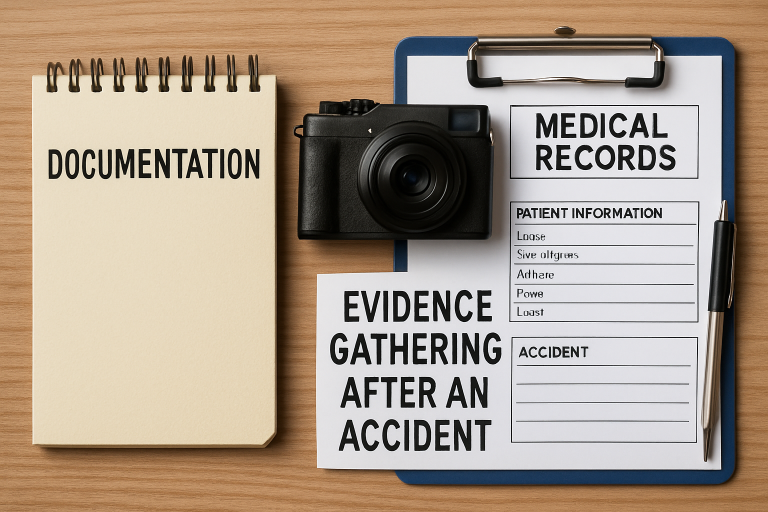
The strength of your claim often hinges on the quality of the evidence you provide. Immediately after an accident, it is essential to take specific actions to secure the materials that will bolster your case:
- Document the Scene: Take clear photographs of the accident location, visible injuries, and property damage.
- Collect Witness Information: Request the names and contact details of anyone who witnessed the incident, and, if possible, obtain brief written statements.
- Seek Medical Attention: Even minor injuries should be examined by a medical professional. This creates an official medical record, which can be essential for your claim. According to WebMD, prompt medical assessment helps document your condition and links it clearly to the accident.
Preserving evidence properly right from the start can be a deciding factor in the outcome of your claim.
Deciphering Insurance Policies
Insurance systems vary considerably from one state to another. Some states use a “no-fault” system, in which your own insurance pays for medical bills regardless of fault. Others use an “at-fault” system, where the person who caused the accident is financially responsible. Understanding your state’s insurance regulations is essential, as they determine whether you can seek additional compensation beyond what your personal insurance provides. In no-fault states, you generally need to exceed a certain threshold of medical expenses or severity before you can bring a claim against another party. Knowing these nuances helps you navigate your recovery and compensation path more efficiently.
Calculating Damages Accurately
A personal injury claim can include several types of damages, not just immediate medical bills. It is vital to consider the big picture, including:
- Lost wages if your injuries prevent you from working
- Pain and suffering caused by physical and emotional trauma
- Emotional distress that affects day-to-day life
- Loss of enjoyment of activities you once valued
Correctly calculating all eligible categories ensures you do not settle for less than you are owed. A consultation with a legal or financial professional can help you itemize and fully value your claim.
Debunking Common Myths
Misinformation and misunderstandings can keep injured people from taking action. Some prevalent myths include:
- Only serious injuries are worth claiming: Even minor injuries can have lasting consequences or lead to costly complications.
- Hiring a lawyer is always expensive: The reality is that many personal injury attorneys are paid only if you win your case, so you have nothing to lose by seeking professional help.
Being aware of the truth dispels fears or hesitations that could prevent you from pursuing the compensation you deserve.
See also: One Piece business model and merchandising explained
The Role of Legal Representation
Hiring a personal injury attorney offers significant advantages. Lawyers possess the expertise to navigate complex legal requirements, coordinate with insurance companies, and advocate for your best interests during negotiations. Additionally, many reputable law firms provide free initial consultations and work for a percentage of the recovery, so you do not pay legal fees unless your case is successful. This arrangement ensures your lawyer is motivated to achieve the best results possible for you.
Staying Informed on Legal Developments
Laws regarding personal injury claims can change over time. Remaining updated is vital, as legislative changes and court decisions can alter how claims must be filed or what damages may be recovered. Regularly consult authoritative legal resources or speak with a professional to make sure you are relying on the most current guidance for your situation.
Conclusion
Handling a personal injury claim requires prompt action, comprehensive evidence gathering, and a firm understanding of insurance and legal frameworks. By busting myths, keeping up with legal developments, and working with knowledgeable professionals, you can significantly improve your chances of securing the compensation you deserve for your injuries and losses.