For more than two decades, One Piece has not only captured hearts but also built an empire. While the story of Monkey D. Luffy may seem like a simple pirate adventure, behind it lies one of the most lucrative anime and manga franchises ever created. From high-end collectible figurines to limited edition sneakers, the reach of One Piece’s brand is vast and thriving. This article explores how One Piece became more than just a story it became a commercial phenomenon shaping how anime is sold, consumed, and monetised across the world.
How One Piece became a money-making machine
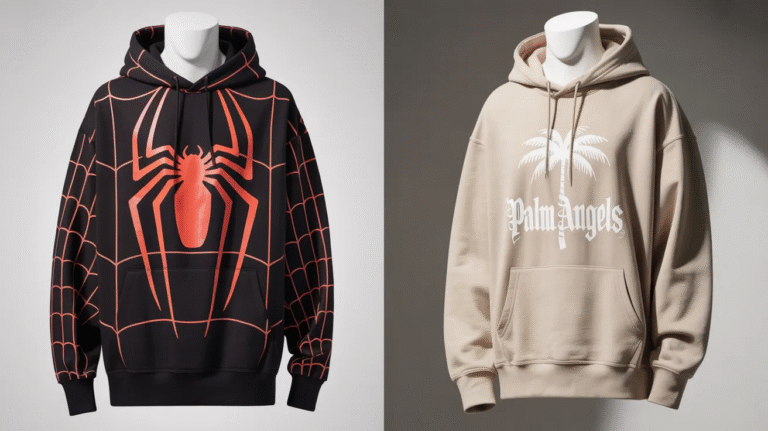
The origins of One Piece trace back to 1997, with the publication of the first chapter in Weekly Shōnen Jump. Over the years, what started as a humble pirate tale exploded into a cultural titan thanks to clever business strategies, media expansion, and an ever-growing fanbase. One key reason for its financial success lies in its transmedia approach: manga, anime, video games, movies, stage plays, and an endless range of products. Today, One Piece is a merchandising behemoth. The sheer volume of licensed goods is staggering apparel, accessories, toys, homeware, and more. This is no accident. It’s the result of an intentional business model designed to monetise every character, symbol, and arc. Whether it’s a Sanji apron, a Zoro sword replica, or a limited edition Luffy hoodie, fans are more than willing to buy into the universe.
With online platforms like One Piece merch now offering global access to official products, the reach of the brand is no longer limited to Japan. European and UK-based fans in particular have shown increasing interest, with sales spiking during new chapter or anime arc releases. The franchise’s success also rides on its ability to adapt trends. Collaborations with fashion brands, pop-up cafes, themed amusement parks, and immersive exhibitions have turned fandom into full-blown consumer engagement. It’s not just about watching or reading anymore it’s about living the One Piece experience.
Merchandising strategy: more than just t-shirts and toys
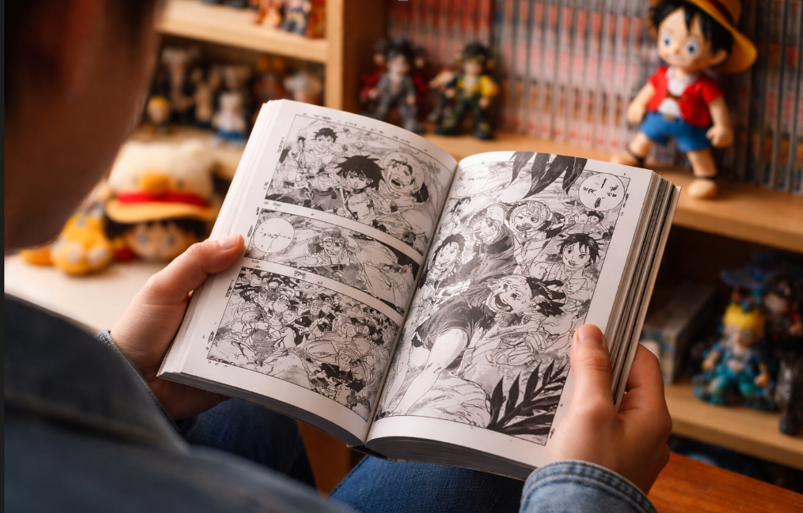
Brand licensing is the heartbeat of the One Piece business machine. Eiichirō Oda’s universe has become a goldmine through partnerships with countless manufacturers. From clothing lines to furniture, the diversity of goods reflects a keen understanding of fan demand and marketing psychology. Take figurines for example. Official collector’s items, often produced in limited quantities, are sought after by both casual fans and serious collectors. Some models can reach hundreds of pounds in value, especially when linked to significant story arcs or anniversaries. For those searching for high-quality pieces in the UK, an anime shop specialised in these figures is often the go-to destination.
Furthermore, many companies use exclusivity to drive desire. Capsule collections, convention-only products, or online-only drops create a scarcity that fuels urgency. This model mirrors tactics used by high-end fashion brands only now applied to the world of anime. The visual branding of One Piece plays a crucial role. The Straw Hat logo is instantly recognisable and evokes strong emotional ties among fans. It’s printed, stitched, and embossed across thousands of items making every purchase a statement of identity.
Why fans willingly invest in One Piece products
There’s an emotional economy at play. Buying One Piece merchandise isn’t only a transaction it’s a declaration of love for the series. The depth of characters and the emotional arcs have cultivated a loyal, multi-generational fanbase willing to invest financially to celebrate their connection.
Emotional engagement fuels purchases
Luffy’s journey, friendships, and hardships resonate on a deep level. Fans often find pieces of themselves in the Straw Hat crew. This identification drives the need to collect memorabilia, wear themed clothing, or display figurines. The merchandise becomes more than just a product it becomes an extension of their emotional investment.
Community and cultural pride
In online forums, cosplay events, and manga fairs, displaying One Piece gear fosters a sense of belonging. Wearing a hoodie with the Thousand Sunny or carrying a Chopper keychain isn’t just fashion it’s a signal to fellow fans. In the UK especially, One Piece meetups and comic cons have seen growing popularity, showcasing how this brand transcends mere consumption.
See also: Practical Financial Wellness Tips for Everyday Life
What are the most profitable products in the One Piece business?
Every category contributes to the overall business, but some segments stand out for their profitability. Based on official statistics and product demand, here are the most lucrative:
- limited edition figurines
- exclusive apparel collections
- video game licences
- streaming and broadcasting rights
- live events and exhibitions
- cross-brand collaborations
These items don’t just generate income they reinforce the cultural relevance of One Piece. Collaborations with luxury brands or immersive exhibitions in major cities (like Paris, Tokyo, or London) elevate the franchise from simple fandom to mainstream recognition.
Could the One Piece business model be replicated?
Many studios and publishers dream of replicating the One Piece success. While others like Naruto or Demon Slayer have achieved remarkable commercial impact, One Piece remains unique due to its sustained consistency, emotional depth, and expansive world-building. What makes it stand out is not only the quantity of products, but the quality and thematic coherence. Every item feels anchored in the story not just a branding exercise. Moreover, Oda’s involvement in the creative process keeps the vision tight, ensuring merchandise respects the universe’s tone and symbolism. Franchises that aim to follow this path need more than a good story. They need strong branding, multi-platform adaptability, and a fandom that truly feels. In short, One Piece didn’t just build a story it built a lifestyle.
A living treasure: why One Piece is more than just a brand
The commercial success of *One Piece* is no fluke. It reflects a deep emotional resonance with fans, a smart and adaptive business strategy, and a global shift in how people interact with stories. Whether you’re a long-time reader or just discovering the saga, there’s no denying the impact this franchise has had not only on the world of manga, but on global commerce. Have you ever bought a piece of the One Piece world? Share your story the Grand Line of fandom is vast, and there’s always room for more crew members.