The Therapeutic Power of Music
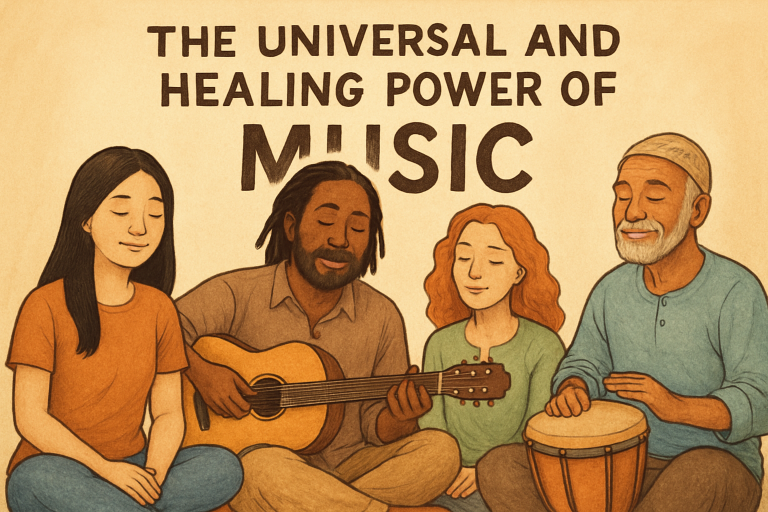
Throughout history, music has served as a universal remedy, capable of bringing relief where words fail. Powerful melodies can uplift spirits, console in grief, and spark hope. Whether sung as ancient lullabies or woven into intricate modern compositions, music continues to offer support to those in need. Its influence is so profound that it has inspired countless stories shared by individuals, celebrating how music crosses boundaries and heals emotional wounds. Many of these stories are recounted by polyglots in their own words, highlighting how music connects people across languages and cultures.
Scientific studies confirm what many cultures have long understood: music can decrease stress, ease pain, and enhance mood. Listening to music triggers the release of endorphins, our natural feel-good hormones, which can lead to greater happiness and a deeper sense of well-being. For patients in hospitals and individuals recovering from trauma, the right music can make a measurable difference in their healing journeys.
Personal Journeys Through Music
Musical journeys are as unique as the people who embark on them. Some find strength in the rhythm of drums, while others seek solace in gentle harmonies. One remarkable example comes from a Mexican composer who uses ritual and fire in her live performances, drawing inspiration from the ancient “temazcal” steam-bath traditions of Mesoamerica. For her audience, this fusion of music and sacred ritual provides powerful pathways to reflection and emotional renewal.
Personal engagement with music can help individuals process loss, navigate periods of change, and rediscover joy. It is common to see people developing their own healing rituals with music, whether through group drum circles or private moments with a beloved playlist. Such practices highlight the deeply personal nature of musical healing, echoing stories from around the world.
Scientific Insights into Music Therapy
In recent decades, research has illuminated the powerful therapeutic effects of music. Music therapy is now used widely in hospitals, rehabilitation centers, and mental health clinics. Clinical studies have shown that music therapy can enhance cognitive functions in people with dementia, support stroke recovery, and significantly lower anxiety levels in patients undergoing surgical procedures. Such outcomes underscore the importance of including music-based interventions within traditional healthcare settings.
For example, stroke patients often recover movement and speech abilities more rapidly when music therapy is integrated into their treatment plans. Similarly, children with autism spectrum disorder have shown greater communication and social engagement through structured musical interactions.
Music’s Role in Emotional Healing
Musical expression is closely linked to the full spectrum of human emotion. Through song, individuals can work through layers of grief, revisit memories, and boldly address emotions that might otherwise remain repressed. Programs illustrate the healing potential of collaboratively crafted music. Veterans participating in these programs have found substantial relief from trauma by transforming their personal stories into powerful songs, helping them process their experiences safely and meaningfully.
Engaging with music in this way nurtures resilience and self-acceptance. Even outside of formal therapy, listening to or creating music can help people regulate their feelings, find comfort through connection, and move toward emotional wholeness. This is especially significant during periods of crisis or isolation, when the reassurance music offers can provide a powerful anchor.
See also: How Technology Innovation Shapes Modern Business Strategy
Integrating Music into Daily Life
Bringing more music into everyday routines provides accessible ways to boost mental and physical health. People often find that playing their favorite tunes while cooking, exercising, or spending time with friends helps to reduce stress and enhances their sense of happiness. Simple habits like winding down with soft melodies before bed, joining a choir, or learning an instrument can nurture lasting feelings of accomplishment and joy. Community music-making, such as group drumming sessions or local music workshops, builds strong social connections and fosters a sense of belonging.
The Future of Music and Healing
Music therapy is evolving rapidly as new technologies and research expand our understanding of its healing potential. Innovations such as AI-powered music therapy platforms offer personalized soundtracks for relaxation, mindfulness, and rehabilitation exercises. These advancements are making music therapy increasingly accessible and customized for individual needs, promising even greater benefits for people from all walks of life.
Final Thoughts
Looking ahead, the integration of music into healthcare is likely to grow. As more professionals embrace the scientific backing of music therapy, new applications will emerge to support mental health, chronic pain management, and social connection. The enduring appeal of music, coupled with cutting-edge research, ensures it remains a cornerstone of holistic well-being.
In summary, music is a profound and versatile tool for healing and personal transformation. Through personal journeys, structured therapy, and daily practice, music continues to enrich lives, foster emotional balance, and promote overall health.