In a rapidly transforming commercial real estate market, understanding evolving trends is critical for both landlords and tenants. The landscape of office leasing continues to respond to shifting business strategies, technological advances, and new workstyles. For those considering buying a commercial property or navigating leasing agreements, knowing what defines today’s office environment is essential to making well-informed decisions.
From increased demand for lease flexibility to the integration of smart technologies and well-being features, the modern office has undergone significant change. Landlords must recalibrate offerings, while tenants prioritize spaces that align with changing workplace visions. As hybrid and flexible work persist, the ripple effects touch design, amenities, and even the neighborhoods in demand.
This article explores the major trends influencing office leasing and tenant representation. It addresses how these trends impact decisions for both landlords and businesses, helping all parties prepare for the future of commercial space.
In this new landscape, aligning space with business strategy requires an awareness of innovation, sustainability, and evolving expectations. The ability to adapt quickly will define success in office real estate, whether managing entire portfolios or searching for an ideal location.
Flexible Lease Terms
A surge in demand for flexible leasing is among the most prominent shifts in the office real estate market. Tenants, uncertain about future headcounts and hybrid staffing models, are avoiding long-term commitments. Instead, they pursue shorter lease durations, early termination clauses, and the ability to shrink or expand their footprint as needed. This new standard not only supports business resilience but also creates a more dynamic, responsive property market.
This flexibility benefits not only fast-growing startups but also established companies reevaluating space usage post-pandemic. Creative leasing solutions, such as shared amenity spaces, subleasing, and managed offices, give companies the agility they crave in an era of constant change. According to a CBRE report, 65% of respondents said their companies are requiring employees to return to the office, underscoring the need for adaptable leasing strategies.
Flight to Quality
Alongside flexibility, there is a decisive “flight to quality.” Tenants across industries are trading up to higher-end spaces that deliver greater comfort, advanced systems, and top-tier amenities. This trend reflects renewed competition for talent, as businesses aim to entice employees back to the office with enhanced environments. Premier locations in urban hubs and buildings with state-of-the-art lobbies, fitness centers, and flexible meeting areas are attracting growing interest.
Landlords are upgrading existing properties to keep pace, investing in renovations and repositioning strategies to maintain occupancy. As these amenities become expectations rather than luxuries, properties that fail to modernize may face prolonged vacancies or declining rental rates. The implications affect not only landlords but also tenants, who must balance cost, quality, and ongoing return on investment.
See also: Enhancing Business Efficiency with Advanced Commercial Refrigeration
Sustainability and Wellness
Sustainability and wellness features are not just trends but must-haves for office users. Environmental certifications, such as LEED or WELL, signal operational efficiency and social responsibility. Features such as efficient HVAC systems, abundant daylight, water-saving fixtures, and biophilic design elements help reduce costs while supporting employee well-being. Many companies now report their progress toward ESG (Environmental, Social, Governance) metrics, driving demand for greener spaces.
Incorporating wellness amenities, including outdoor terraces, air purification systems, healthy dining, and on-site fitness centers, has a measurable impact on retention and productivity. Such spaces cater to the holistic needs of today’s workforce and support healthier lifestyles. For resources on the intersection of sustainability and workplace wellness, visit The New York Times’ environment section.
Technological Integration
The best modern offices seamlessly integrate advanced technology. Reliable, high-bandwidth internet and secure networks are table stakes for tenants. Smart building management, which can automate climate control, lighting, security, and visitor check-in, delivers both efficiency and cost savings. Enhanced connectivity becomes even more critical as hybrid and remote work drive demand for cloud computing, video conferencing, and collaboration tools.
Tenants now consider these capabilities as integral to site selection. Properties with comprehensive tech infrastructure not only attract a broader range of businesses but are more likely to retain tenants in the long run. To explore more about future workplace technology, see The Wall Street Journal’s business coverage.
Resurgence of Co-Working Spaces
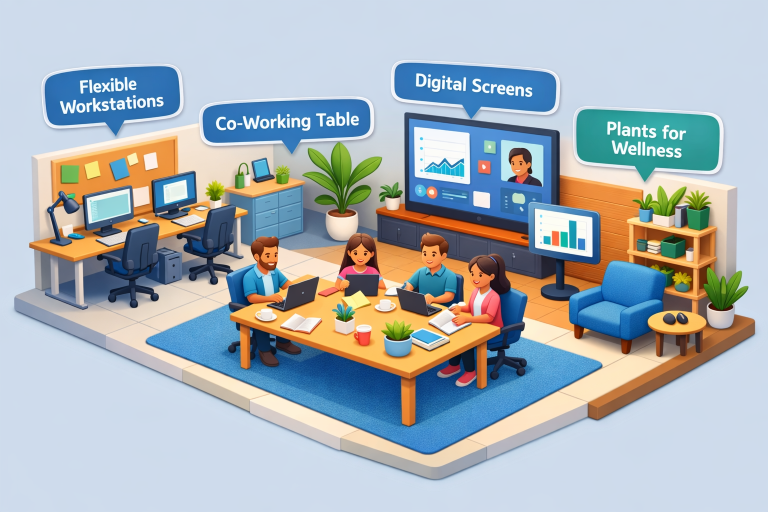
Co-working is experiencing renewed momentum. These shared workspaces offer coveted flexibility, enabling individuals and companies to rent desks, offices, or conference rooms by the day, month, or year. Post-pandemic shifts mean organizations are increasingly comfortable with decentralized work, making co-working a practical option for distributed teams, freelancers, and companies testing new markets.
Beyond flexibility, co-working spaces foster collaboration, networking, and community. This environment appeals to a diverse set of users and supports well-being through varied, adaptable layouts. For many companies, co-working is part of a larger “workplace-as-a-service” strategy, helping them stay nimble in changing business conditions.
Conclusion
The transformation of office real estate is speeding up, challenging both landlords and tenants to adapt. Flexibility, quality, sustainability, cutting-edge technology, and collaborative workspaces now define success in office leasing and tenant representation. Staying aware of these trends helps decision-makers craft strategies that are resilient, competitive, and aligned with today’s business realities.