As individuals age, creating a home environment that is both safe and comfortable becomes increasingly important. A secure home enables older adults to maintain their independence while reducing their risk of injury. Simple modifications and thoughtful design can have a significant impact. For those seeking professional support or needing adaptable housing solutions, assisted living facility construction throughout Utah offers expertise in crafting environments tailored to seniors’ specific needs.
To foster true comfort and well-being, it is essential to address potential hazards and enhance both accessibility and personal enjoyment. Many of these measures can be implemented without major renovations, enabling significant improvements in safety and quality of life for older adults living at home or considering a move to more supportive settings.
Assessing Home Safety
Begin with a comprehensive review of the living space. Inspect the home for immediate dangers such as loose rugs or carpet edges, cluttered walkways, and inadequate lighting. Hallways and entryways should remain clear of obstructions to prevent trips and falls, which remain one of the most common injuries among older adults. Small changes, such as removing or securing area rugs, can drastically reduce the incidence of household accidents. According to the Centers for Disease Control and Prevention (CDC), falls are the leading cause of injury among individuals age 65 and older, underscoring the importance of a proactive approach.
Enhancing Bathroom Safety
Install Support Features
Bathrooms tend to present a heightened risk due to hard surfaces and frequent moisture. Install grab bars next to toilets and inside showers and bathtubs to offer support during transfers. Grab bars should be securely mounted to wall studs to ensure they can safely bear weight.
Minimize Slip Hazards
Place non-slip mats both inside the bath or shower and on the floor outside these areas. Testing water temperature regularly and keeping the water heater set below 120 degrees Fahrenheit helps prevent accidental burns. These simple yet effective modifications make daily personal hygiene routines much safer for older adults.
See also: Home Buying Trends to Watch in 2026
Improving Lighting and Accessibility
Strategic Illumination
Poor lighting can obscure trip hazards and lead to falls. Install bright, energy-efficient bulbs throughout the home, paying extra attention to stairways, hallways, and entry areas. Motion-sensor nightlights in bedrooms and bathrooms ensure visibility during nighttime movements without the need to operate switches in the dark.
Accessible Storage
Store frequently used household items within easy reach, ideally between knee and chest height. This prevents unsafe stretching or bending, making everyday tasks like cooking or cleaning simpler and safer. Lever-style door handles and faucets also help accommodate individuals with limited grip strength.
Creating a Comfortable Living Environment
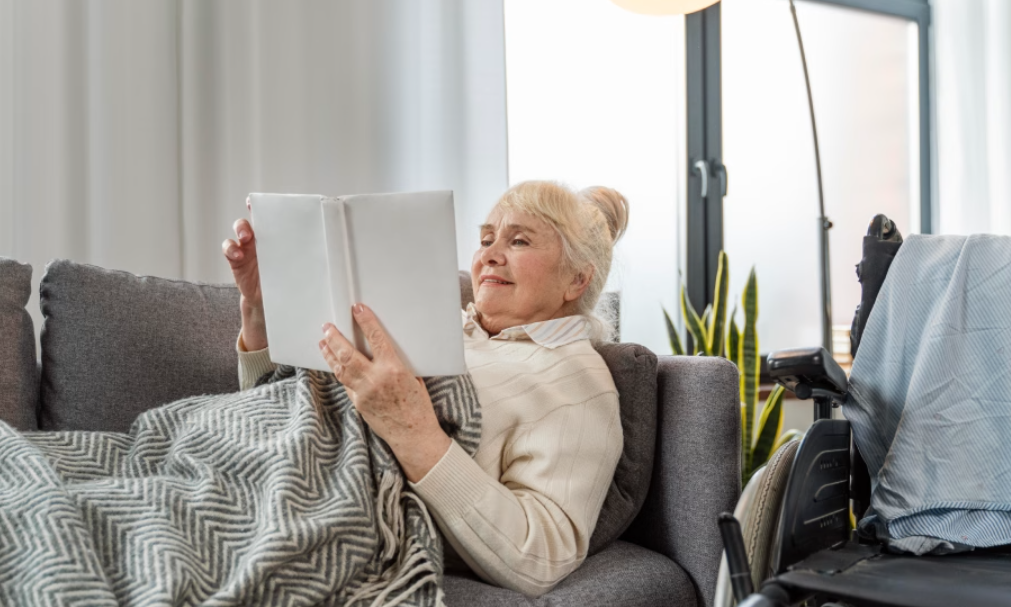
Safety is crucial, but comfort cannot be overlooked. Arrange furniture to allow for unobstructed movement, particularly for those with mobility aids. Opt for sturdy chairs with arms and firm back support to assist with standing and sitting. Adding personal items, such as favorite blankets, photos, or artwork, can make the living space feel warm and welcoming, helping alleviate feelings of isolation or unfamiliarity.
Utilizing Technology for Safety
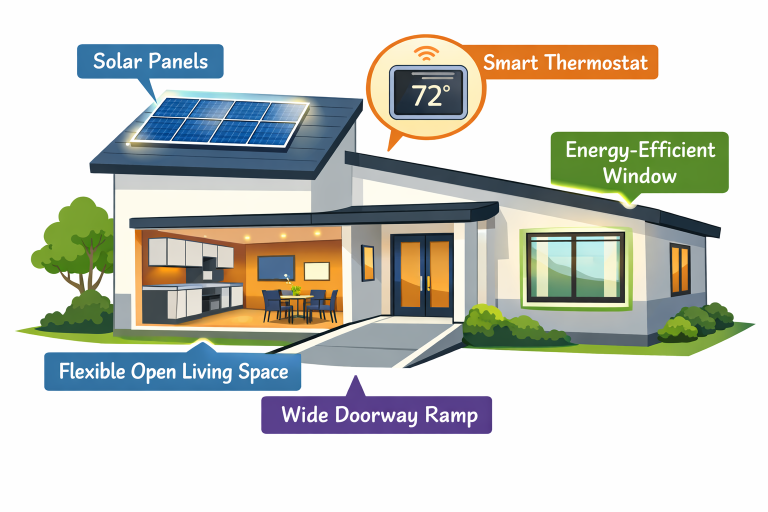
Technological tools can reinforce safety in subtle yet impactful ways. Medical alert systems, which connect users to emergency support at the push of a button, are invaluable for those living alone or at risk of medical emergencies. Smart home devices, such as voice-controlled assistants or programmable thermostats, provide greater autonomy and simplify routine tasks. Doorbell cameras and automated lighting systems can also deter potential intruders and add peace of mind.
Regular Maintenance and Updates
Maintaining a safe environment requires ongoing attention. Schedule regular check-ups for things like smoke detectors, carbon monoxide alarms, and fire extinguishers. Inspect and repair loose handrails, peeling flooring, and broken light fixtures promptly to prevent avoidable accidents. Stay diligent in looking for new risks as mobility or health needs change.
Encouraging Social Interaction
Emotional and mental well-being are just as important as physical safety. Create inviting common spaces for conversation and hobbies. Ensure that communication devices such as phones and tablets are accessible and easy to use, helping older adults stay connected with loved ones and the broader community. This social connection plays a crucial role in mental health and overall life satisfaction.
Seeking Professional Assistance
For those unsure where to begin or facing complex needs, consult professionals specializing in home modifications for older adults. Occupational therapists and certified aging-in-place specialists can assess individual requirements and suggest tailored solutions. Their expertise ensures that homes are not only secure but also nurturing environments where older adults can thrive.
Final Thoughts
By integrating these strategies, families and caregivers create living spaces for older adults that prioritize both safety and comfort. These thoughtful changes support independence and enjoyment in their own homes for years to come.