Introduction
Hormones are powerful messengers that affect almost every aspect of your well-being, including your sexual health. Their role extends far beyond reproduction, influencing libido, sexual function, and satisfaction at every stage of life. From adolescence to older adulthood, hormonal changes shape not only the physical but also the emotional aspects of sexual health.
Understanding how hormones work can help shed light on why sexual drive and function may shift over time. Recognizing these changes is key to better communication with partners and healthcare providers, as well as empowering individuals to seek solutions that support sexual health and sexual wellness. With the ebb and flow of hormones, knowledge becomes a potent tool for navigating issues with confidence and proactivity.
During these different life stages, people often seek strategies for maintaining their sexual health or addressing new concerns. The ability to adapt and seek appropriate help when needed can make a significant difference in overall health and quality of life.
For those exploring ways to navigate hormone changes or considering therapies, understanding the potential HRT benefits is especially important. Many adults wonder about the impact of hormone therapies and how these options can play a role in the recovery of sexual health, function, and comfort.
Puberty: The Awakening of Sexual Maturity
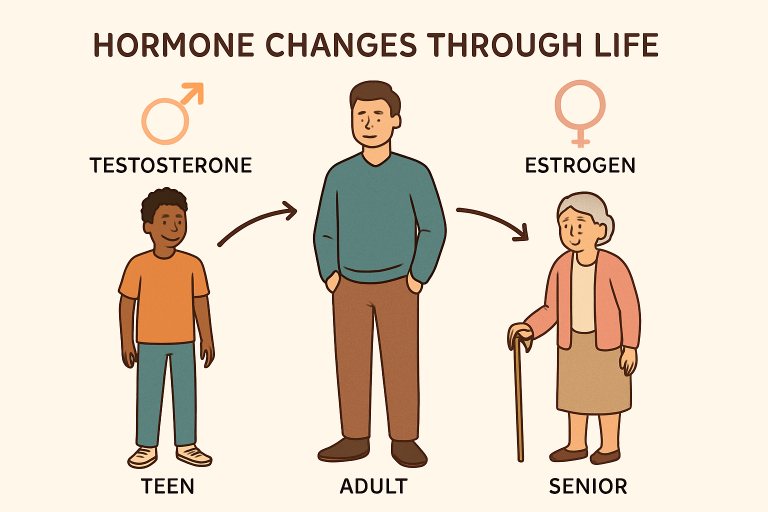
As adolescents enter puberty, dramatic changes occur throughout the body, driven by surges in sex hormones such as testosterone in males and estrogen and progesterone in females. These hormones trigger the development of secondary sexual characteristics. Boys experience deeper voices, muscle growth, and the emergence of facial hair, while girls develop breasts and wider hips along with the onset of menstruation. Alongside physical changes, there is often a marked increase in sexual thoughts and curiosity. This early hormonal activity lays the foundation for future sexual development, relationships, and self-discovery.
Adulthood: Hormonal Balance and Sexual Function
Adult sexual health is closely linked to a well-maintained balance of hormones. For men, testosterone sustains not only sexual desire but also erectile function and mood. For women, estrogen and progesterone are vital for maintaining vaginal health, menstrual regularity, and libido. Imbalances may occur due to stress, underlying medical conditions, or natural aging, leading to common issues such as reduced drive or difficulties with arousal and satisfaction. Fortunately, lifestyle changes, professional guidance, and HRT benefits, including hormone replacement therapies that restore hormonal balance, can often improve sexual function and overall well-being. According to the latest research, open conversations and early intervention yield better long-term outcomes for sexual wellness.
Pregnancy and Postpartum: Hormonal Fluctuations
Pregnancy is accompanied by some of the most significant hormonal shifts in a woman’s life. Elevated levels of estrogen and progesterone are essential for supporting the developing fetus and preparing the body for childbirth. These changes can also produce increased vaginal lubrication or heightened sensitivity, though not everyone experiences a boost in sexual desire. After delivery, hormone levels plummet, often resulting in symptoms such as vaginal dryness, lowered sexual appetite, and fatigue, all of which can affect intimacy. Awareness of these normal fluctuations can help new parents navigate transitional challenges and maintain healthy communication around intimacy needs.
Menopause and Andropause: The Decline of Hormones
Menopause in women and the male equivalent, andropause, typically occur in midlife. These stages are associated with significant hormonal decline. For women, a decrease in estrogen frequently results in symptoms like vaginal dryness, hot flashes, and lowered libido. Men may begin to experience a slower, gradual reduction in testosterone, often leading to reduced sexual desire, changes in erectile function, and mood swings. For many, these transitions can affect self-esteem and relationships. Seeking the guidance of a healthcare provider to discuss options such as hormone replacement therapy can be a valuable strategy.
Hormonal Impact on Sexual Desire and Behavior
The relationship between hormones and sexual behavior extends beyond basic drive. Oxytocin, also known as the “love hormone,” becomes elevated during sexual activity and intimate contact, increasing feelings of closeness and bonding. Other hormones, such as dopamine, also play a role in rewarding sexual behavior with a sense of pleasure and satisfaction. Variations in hormonal release throughout the month (especially in women) can lead to cycles of heightened or lowered sexual interest. These factors underscore the complex but fascinating interplay between biology and sexuality.
Managing Hormonal Changes for Sexual Health
There are several evidence-based strategies to support healthy hormonal balance as you navigate different life stages:
- Balanced Diet: Foods high in omega-3 fatty acids, such as salmon and flaxseed, support hormone production and brain health.
- Regular Exercise: Physical activity has been shown to boost testosterone production in men and balance estrogen in women, leading to improvements in sexual function and mood.
- Stress Management: Chronic stress disrupts hormonal equilibrium. Practices like mindfulness meditation or yoga are effective for managing stress and supporting hormonal health.
- Adequate Sleep: Sleep is crucial for restoring hormonal balance; insufficient sleep is linked to lower testosterone and estrogen levels, affecting sexual wellness for all genders.
See also: One Piece business model and merchandising explained
Final Thoughts
The intricate dance of hormones has a profound impact on sexual health from the first stirrings of puberty through the transitions of midlife and beyond. By understanding these changes, individuals are better prepared to approach challenges proactively, seek medical input when necessary, and cultivate rewarding intimate relationships. Integrating healthy lifestyle practices, staying informed about treatment options, and maintaining open communication are essential steps in ensuring sexual health and satisfaction throughout every stage of life.