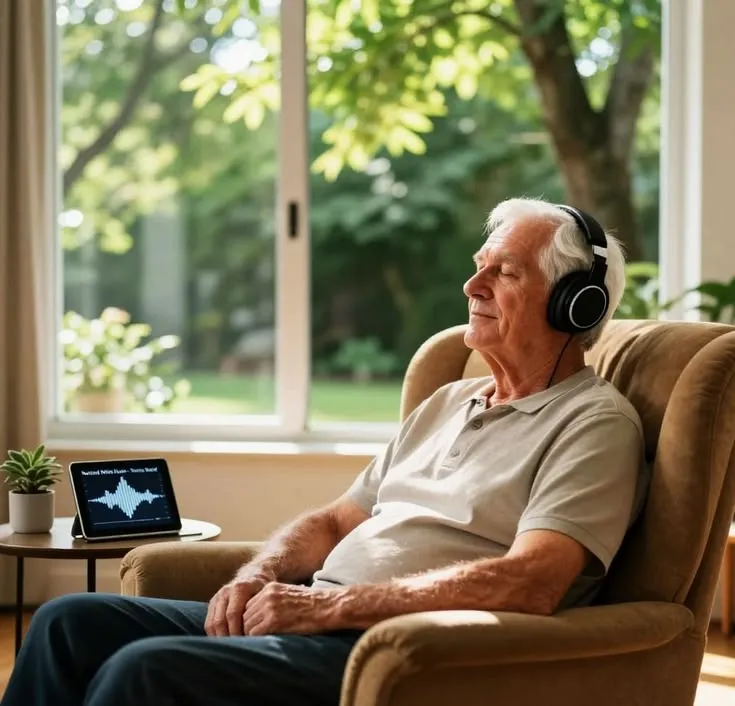
Binaural audio often enters a wellness routine through curiosity. Someone hears about different tones being played into each ear, finds a track online, and wonders whether listening could become part of a quieter evening or meditation habit. The difficulty is separating a simple listening practice from the dramatic promises sometimes attached to it.
A sensible first experience does not require believing that a particular frequency will transform the mind. It starts with understanding the format, keeping the volume comfortable, choosing an appropriate setting, and noticing how the experience personally feels.
What the Listener Actually Hears
Traditional binaural beats use two slightly different tones, with one delivered to each ear. The listener perceives an additional rhythmic effect created by the difference between those tones.
Because each ear needs to receive its own signal, stereo headphones are usually associated with this type of audio. That technical explanation is much more straightforward than many of the claims surrounding specific frequencies.
Individual reactions can differ. Some people enjoy the repetitive sound, while others prefer ordinary ambient music, spoken guidance, or silence.
Safety Begins With Common Sense
People typing are binaural beats safe into a search engine often want a simple yes-or-no answer. A more useful approach is to treat binaural audio like other personal wellness listening practices and pay attention to context.
Volume should remain comfortable. The audio should not be used while driving, cycling in traffic, operating machinery, or doing anything that requires full alertness.
If listening causes discomfort, headache, dizziness, agitation, or another unpleasant reaction, there is no benefit in forcing the session to continue.
People with medical, neurological, hearing, or mental health concerns should discuss unfamiliar practices with an appropriately licensed professional when needed.
Ten Minutes Is Enough to Learn Something
A first session does not need to last an hour.
Choose a quiet place, silence unnecessary notifications, and start with ten or fifteen minutes. This gives enough time to notice whether the sound feels relaxing, distracting, neutral, or uncomfortable.
The purpose is observation rather than achievement. There is no need to chase a special state or judge the session against someone else’s experience.
Keeping expectations modest can make the practice easier to evaluate.
Meditation Does Not Need Technology
Binaural beats are only one possible addition to a mindfulness routine.
Someone searching for the best guided meditation may actually benefit more from considering what kind of guidance feels easiest to follow. Some recordings emphasize breathing. Others use body awareness, visualization, affirmations, or quiet reflective prompts.
A beginner who struggles with silence may appreciate a steady voice that gives attention somewhere to return. Another listener may find too much narration distracting and prefer a simpler soundscape.
The “best” option is therefore highly personal.
See also: Understanding Business Loan Options for Entrepreneurs
Build a Routine Around the Setting
The surrounding environment can matter as much as the track.
A comfortable chair, softer lighting, reduced phone use, and a few slow breaths can create a clear transition from activity to reflection. Using the same general setting regularly may also make it easier to establish a habit.
The audio does not have to carry the entire experience. It can simply act as one cue that it is time to stop multitasking for a few minutes.
Track Experience, Not Promises
Instead of asking whether a frequency produced a dramatic result, pay attention to smaller observations. Was it easier to stay seated for ten minutes? Did the session feel pleasant enough to repeat? Was the sound distracting? Did guided narration work better than tones alone?
These questions produce more useful information than trying to confirm broad claims about what an audio frequency is supposed to accomplish.
Keeping a brief note after several sessions can help reveal personal preferences.
Know the Role of Wellness Tools
Meditation recordings and binaural audio belong in the general wellness space. They may support relaxation, reflection, or a consistent wind-down ritual for some people, but they should not be treated as substitutes for medical or mental health care.
If emotional distress, sleep difficulty, or another health concern is persistent or severe, professional guidance is more appropriate than relying on an audio track.
Conclusion
Exploring binaural audio works best when curiosity is paired with realistic expectations. Comfortable volume, a safe setting, shorter sessions, and attention to individual response provide a stronger starting point than promises attached to particular frequencies.
Guided meditation can also offer structure when silent practice feels difficult. The useful question is not whether one method works for everyone, but whether a specific practice creates a calm, sustainable moment within your own wellness routine.