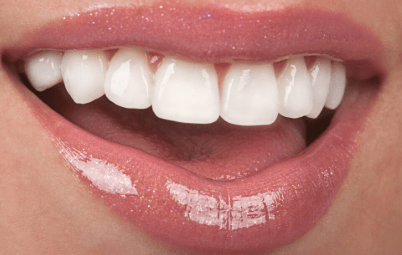
You may have been catching your smile in photos and noticing the same thing every time. A tooth looks darker than the rest. The front teeth seem uneven. Old fillings show when you laugh. At our Omaha, NE dental practice, it can feel small and constant at the same time, the kind of issue that sits in the back of your mind until you start smiling with your lips closed.
That is usually where a smile makeover starts, not with vanity, but with wear, staining, chips, and changes that build up over time. Many people are relieved to learn that several smile enhancement procedures are already available through a family and cosmetic dentist, often without the need for major treatment. The right option depends on what bothers you most, how long you want results to last, and how much tooth structure needs to be changed.
Family dental practices often start with the least invasive smile makeover treatment
Most family practices that offer cosmetic care do not jump straight to complex work. They usually begin with the most conservative option that can improve your smile safely. That matters, because the best cosmetic result is not always the one that changes the most. It is often the one that preserves healthy tooth structure while fixing the issue you actually see every day.
One of the most common treatments is teeth whitening. Surface stains from coffee, tea, red wine, and tobacco can make healthy teeth look older than they are. Professional whitening can brighten teeth more evenly than many store bought kits, and the American Dental Association explains the basics of tooth whitening, including the difference between whitening and cleaning.
Bonding is another common choice. If you have a small chip, a narrow gap, or one tooth that looks slightly misshapen, tooth colored resin can often be shaped directly onto the tooth in one visit. This is the kind of fix people love because it addresses a visible flaw without much disruption.
Veneers are often discussed when the concern is broader. If several front teeth have discoloration, worn edges, or irregular shapes, veneers can create a more uniform look. They are thin coverings placed on the front of teeth, and they usually require more planning than whitening or bonding. They can look natural, but they are not the first step for every patient.
Crowns also show up in cosmetic dentistry procedures, especially when a tooth needs both strength and a better appearance. A crown covers the full tooth and is often used when a tooth is cracked, heavily filled, or badly worn. In that case, cosmetic improvement is tied to function, which is often the smartest kind of makeover.
Clear aligners are another service many family dental offices provide or coordinate. If your smile concern is crowding, spacing, or a bite issue, whitening alone will not solve it. Straightening the teeth first can change the whole look of your smile and may make later cosmetic work more conservative.
Common smile makeover concerns usually involve cost, durability, and comfort
The hard part is rarely finding a procedure. The hard part is choosing one without regretting it later. You may want fast results, but you also do not want to pay for a treatment that will not hold up to grinding, staining, or daily wear. That tension is real.
A patient with one chipped front tooth may not need veneers on six teeth. Someone with deep internal discoloration may spend money on whitening and still feel disappointed. A person with old metal fillings in visible areas may focus on color first, when the real issue is replacing worn restorations with newer materials.
Materials matter here. The National Institute of Dental and Craniofacial Research provides useful background on dental materials used in restorations, which helps explain why one option may be better for a back tooth and another for a front tooth. Appearance is only one factor. Strength, wear, and the amount of remaining tooth all affect the plan.
Comfort matters too. Some people avoid treatment because they assume every cosmetic procedure is painful or extensive. That is not usually the case. Bonding and whitening are often straightforward. Veneers and crowns involve more preparation. Orthodontic movement takes more time. The point is to match the treatment to the problem, not to force every smile concern into the same category.
Comparing common cosmetic dental services helps narrow the right fit
| Procedure | Best For | Time Frame | Main Tradeoff |
| Professional Whitening | General staining and yellowing | One visit or a few weeks with take home trays | Does not change shape, spacing, or deep structural flaws |
| Dental Bonding | Small chips, minor gaps, uneven edges | Often one visit | Can stain or wear sooner than porcelain |
| Veneers | Multiple front teeth with color or shape concerns | Usually two or more visits | Higher cost and some enamel removal may be needed |
| Dental Crowns | Teeth that need strength and appearance improvement | Usually two visits, sometimes same day | More tooth reduction than bonding or veneers |
| Clear Aligners | Crowding, spacing, bite related smile issues | Several months or longer | Results take time and depend on consistent wear |
If you are also weighing safety, MedlinePlus offers a clear overview of dental restoration options and when they are used. That can help you separate cosmetic wants from structural needs, which often overlap more than people expect.
See also: Understanding Business Loan Options for Entrepreneurs
Simple next steps make smile makeover planning less overwhelming
List the exact changes you want. Do not start with treatment names. Start with what you see. Stains on two front teeth, a chipped edge, a gap that shows in photos, old fillings near the smile line. That gives the dentist something concrete to solve.
Ask for more than one option. A good family dental practice can often show you a conservative fix, a mid range fix, and a longer lasting fix. That helps you compare cost, appearance, and durability without feeling cornered into one path.
Discuss function before appearance. If you grind your teeth, clench at night, or have decay around old dental work, those issues affect the cosmetic result. A better looking smile lasts longer when the bite and the foundation are stable.
Small changes can make a smile look more like you again
The most common smile makeover procedures offered in family dental practices are common for a reason. They solve the problems people actually live with, stains, chips, wear, uneven teeth, and restorations that no longer blend in. You do not need a dramatic transformation to feel better about your smile. Sometimes one well chosen treatment does the job.
If you are ready to explore your options, schedule a visit with a family and cosmetic dentist and ask which approach fits your goals, budget, and tooth health.