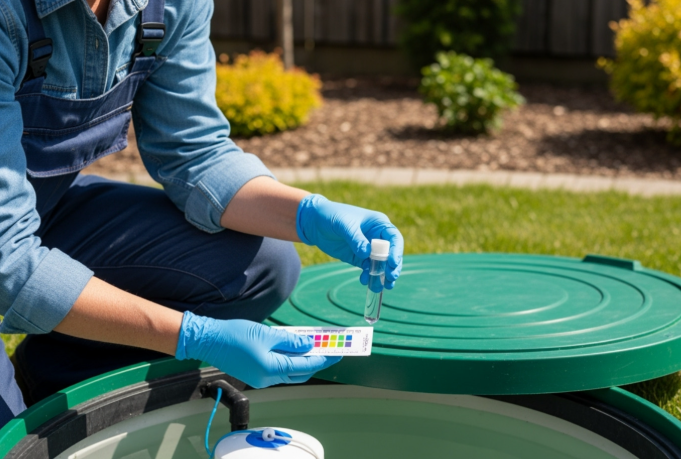
An aerobic septic system can provide effective onsite wastewater treatment, but it depends on more moving parts than a conventional tank. It uses oxygen, beneficial bacteria, pumps, controls, and often a disinfection component to treat wastewater before it reaches a spray field or other disposal area. When trouble appears, homeowners who understand the basics can respond calmly, limit damage, and seek comprehensive septic solutions before a minor issue becomes an expensive emergency.
Consistent care matters because aerobic systems work continuously behind the scenes. A failed aerator, a clogged spray head, an overloaded tank, or a pump issue can interrupt treatment and lead to odors, backups, wet ground, or exposure to untreated wastewater. The good news is that daily habits and quick attention to warning signs can prevent many avoidable problems.
Although the equipment may seem complicated at first, homeowners do not need to diagnose every mechanical detail themselves. Knowing where the control panel is located, recognizing what normal operation sounds and looks like, and maintaining a simple record of service visits can make conversations with a technician much more productive. A proactive approach also helps avoid surprises during heavy rain, holiday gatherings, or other periods of increased household water use.
Why Aerobic Septic Care Matters
Unlike a simple gravity-based septic setup, an aerobic treatment unit relies on mechanical equipment and a healthy biological process. The air pump supplies oxygen to support bacterial treatment, while pumps and controls move water through the system. If one component stops working, the rest of the process may be affected.
Because the treatment process depends on a balance of airflow, wastewater volume, and bacteria, sudden changes can be hard on the system. For example, a large amount of water entering in a short period can reduce the time wastewater has to be treated. Likewise, sending inappropriate materials down drains can interfere with the biological activity that helps the unit operate effectively.
Household water use also directly affects performance. Water-saving and septic care practices recommended by the EPA emphasize regular inspections, responsible waste disposal, and protecting the disposal area from excess water and vehicle traffic. Those habits reduce strain on the system and help protect nearby groundwater and surface water.
Warning Signs That Need Attention
Not every septic concern means the system has failed, but ignoring early clues can allow a manageable repair to become a larger cleanup. Treat alarms and wastewater exposure as urgent, and schedule an inspection when smaller changes persist.
It is also helpful to determine whether a problem affects a single fixture or the entire home. A single slow sink may be a local plumbing issue, while slow drains throughout the house, multiple gurgling fixtures, or simultaneous toilet problems can indicate a broader wastewater system concern. Record when the symptoms occur, as this information may help determine whether the issue is related to heavy water use, rainfall, or a specific appliance cycle.
Urgent Signs
- A red warning light, audible buzzer, or high-water alarm that remains active.
- Wastewater backing up into tubs, showers, toilets, or floor drains.
- Standing sewage, muddy soil, or wastewater surfacing near the tank or spray area.
- Strong sewage odors that appear suddenly or become more noticeable.
Early Signs
- Slow drains, gurgling pipes, or poorly flushing toilets.
- An air pump that is silent, unusually loud, or vibrating differently than normal.
- Uneven spray patterns, blocked sprinkler heads, or unusually green patches of grass.
- A breaker that trips repeatedly or a control panel that shows an unfamiliar alert.
What to Do When a Problem Appears
Start by protecting people, pets, and the property. Do not walk through sewage, allow children near wet areas, or open tanks to investigate. Septic tanks can contain toxic gases and should never be entered by a homeowner.
- Reduce water use immediately. Postpone laundry, long showers, dishwashing, and other high-volume tasks.
- Check visible alarm indicators and note the time the alarm started.
- Look for an obviously tripped breaker only if it can be done safely. Do not remove electrical covers or handle wet equipment.
- Mute an audible alarm only when the owner’s manual permits it. Leave the visual alarm active as a reminder that service is needed.
- Write down odors, slow drains, wet spots, weather conditions, and any recent changes in household water use.
- Call a qualified septic professional if the alarm continues, wastewater reaches the surface, or plumbing begins to back up.
When calling for service, provide the system address, the alarm type if known, the symptoms you observed, and whether water is currently being used in the home. If there has been a recent power outage, storm, construction project, or unusually high number of guests, mention that as well. These details can help the provider prioritize the call and arrive prepared with the appropriate parts or testing equipment.
Daily Habits That Protect the System
Aerobic systems perform best when wastewater enters at a steady, reasonable pace. Spread laundry over several days instead of running many loads in one afternoon. Repair leaking faucets and running toilets promptly, since extra water can overload a treatment unit without the household realizing it.
Consider the water demands of new appliances and household changes, too. A growing family, frequent overnight guests, a new high-capacity washing machine, or an irrigation mistake that sends water toward the system can all affect performance. Conserving water does not mean avoiding normal household use; it means preventing unnecessary waste and avoiding large, sudden surges whenever possible.
Only human waste and toilet paper should be flushed. Keep wipes, paper towels, dental floss, hygiene products, cat litter, and medications out of the toilet. At sinks and drains, avoid pouring cooking grease, paint, solvents, pesticides, oil, or large amounts of harsh cleaners into the system. Use cleaning products in normal amounts and choose mechanical methods, such as a drain snake, before reaching for aggressive chemical drain openers.
Outside, keep vehicles, heavy equipment, sheds, and paved surfaces away from tanks, lines, and disposal areas. Protect access covers from deep mulch and soil, but keep them easy for service personnel to find. Direct roof runoff and sump-pump discharge away from the treatment and spray area.
Building a Simple Maintenance Plan
A maintenance plan is easier to follow when it is tied to familiar household routines. For instance, set a monthly calendar reminder to check the panel and yard, and place service records in a clearly labeled folder or digital file. Keeping the system layout, provider contact information, and any owner’s manuals together can save valuable time when an alarm occurs.
Monthly Checks
- Check the control panel for warning lights or alarms.
- Walk the yard and look for wet spots, unusual odors, or damaged spray heads.
- Pay attention to changes in indoor drainage and toilet performance.
Seasonal Checks
- Clear leaves, tall grass, and debris from visible components.
- Inspect covers and exposed piping after major storms, freezes, or flooding.
- Confirm that landscaping and drainage changes have not blocked access or redirected water toward the system.
Professional Service
Inspection and pumping intervals depend on the system design, household use, sludge level, local rules, and manufacturer instructions. Keep permits, service reports, inspection notes, repair invoices, and pump-out records in one file. In Texas, aerobic-system maintenance requirements may involve licensed providers, maintenance contracts, testing, and reporting, although local permitting authorities can set stricter rules.
During a professional visit, ask whether the aerator, pump, float switches, alarms, spray components, and tank levels were checked. Clarifying what was inspected gives homeowners a better understanding of the system’s condition and creates a useful baseline for future service. It can also reveal whether a recurring issue is related to equipment wear, water use, drainage, or another underlying cause.
When to Call a Qualified Professional
Homeowners can observe visible conditions, conserve water, and follow the owner’s manual. They should not attempt electrical repairs, pump replacement, aerator work, tank entry, or wastewater testing. Call for service when an alarm stays on, odors return, wastewater appears in the yard, breakers repeatedly trip, or indoor plumbing begins backing up.
Ask the provider for a written diagnosis that identifies the root cause, not just the symptom. A useful service report should explain the repair options, expected timing, parts involved, follow-up testing, and any changes needed in household use.
Repair or Replace?
Repair is often the sensible choice when one component has failed and the rest of the system remains sound. Replacement becomes more reasonable when problems recur, structural damage is severe, or the system no longer meets the home’s water demand.
A professional evaluation should consider more than the immediate cost of getting the alarm to stop. The provider may need to assess tank integrity, electrical controls, treatment performance, pumps, plumbing lines, and the condition of the disposal area. A less expensive repair can be the right decision when it restores reliable operation, but repeated short-term fixes may become more disruptive and costly over time.
- System age: A newer system with one failed pump or aerator may be a strong repair candidate. An older system with multiple worn components deserves a broader evaluation.
- Problem frequency: One isolated failure differs from recurring alarms, backups, and spray-field issues.
- Repair cost: Compare the immediate repair price with the likely cost of repeated service over the next several years.
- Structural condition: Cracked tanks, damaged lines, and a failing disposal area may make a simple component repair insufficient.
- Long-term reliability: Choose the option that addresses the underlying cause and fits the property’s conditions.
Common Homeowner Questions
Can a homeowner fix an aerobic septic system?
Homeowners can monitor alarms, reduce water use, keep records, and report visible changes. Mechanical, electrical, treatment, and regulatory work should generally be handled by trained professionals. Local rules may also limit what an owner may maintain.
How long can an alarm stay on?
An alarm should not be treated as a routine nuisance. It may indicate high water, a pump failure, an aeration problem, or an electrical issue. Reduce water use and arrange prompt service, especially if the alarm does not clear.
How often should the system be inspected?
The correct schedule varies by equipment, permit terms, manufacturer guidance, and local requirements. Aerobic systems generally need more frequent attention than conventional septic systems because they contain pumps, alarms, and other mechanical components.
Final Takeaway
Early action is usually easier and less costly than emergency cleanup. By using water carefully, watching for visible warning signs, keeping reliable records, and calling qualified help when needed, homeowners can extend the life of an aerobic septic system while protecting their property and local water resources.