Understanding Humidity and Its Impact on Indoor Comfort
When we talk about summer discomfort, we often focus on temperature, but humidity plays an equally, if not more, significant role, especially in muggy climates. Relative humidity is the amount of water vapor present in the air compared to the maximum amount it can hold at a given temperature. When this level is high, our bodies struggle to cool down. Our natural cooling mechanism, sweating, relies on evaporation. If the air is already saturated with moisture, sweat can’t evaporate effectively, leaving us feeling sticky and hotter than the actual temperature suggests. This phenomenon is often summed up by the saying, “It’s not the heat, it’s the humidity.”
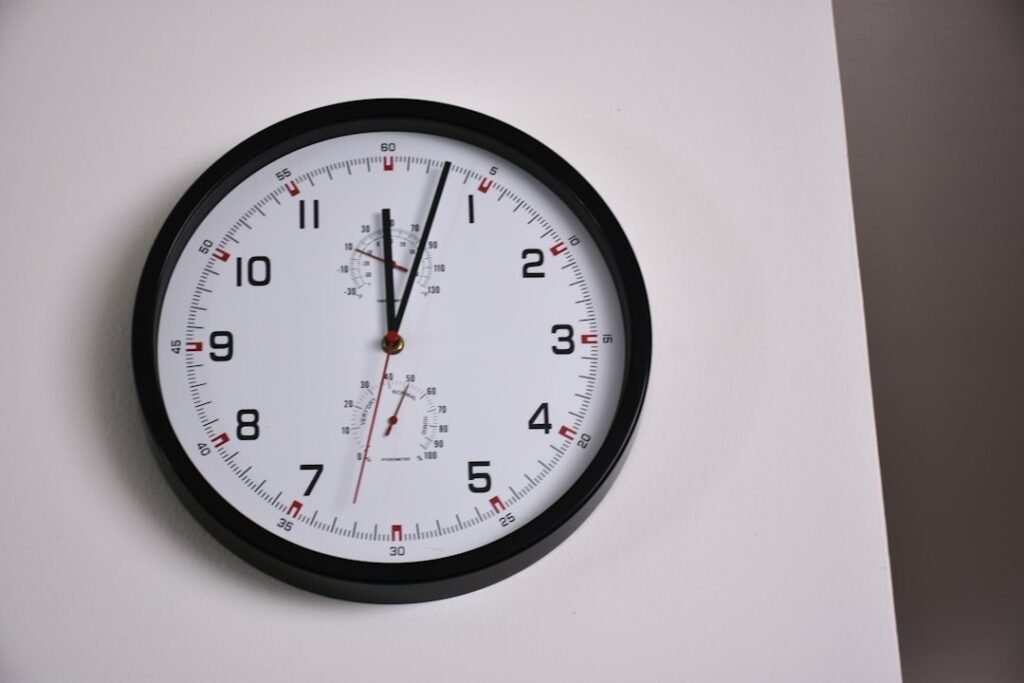
Monitoring indoor humidity is crucial for both comfort and health. Ideally, we aim for indoor humidity levels between 30% and 50% during the summer months. Anything above 50-60% can start to feel uncomfortable and lead to other issues. A simple hygrometer, a device that measures humidity, can help you keep track of your home’s moisture levels.
How High Humidity Affects System Load
High humidity significantly increases the workload on your air conditioning system. Your AC unit has two main jobs: cooling the air (removing sensible heat) and removing moisture from the air (removing latent heat). In humid conditions, a substantial portion of your AC’s energy is spent on dehumidification. If your system is constantly battling high humidity, it will run longer, cycle more frequently, and consume more energy, leading to higher electricity bills. This extended operation also puts more wear and tear on the unit, potentially shortening its lifespan.
Structural and Health Risks of Excess Moisture
Beyond discomfort and energy costs, persistent high indoor humidity poses serious risks to your home and health. Excess moisture creates an ideal breeding ground for mold and mildew, which can grow on walls, ceilings, carpets, and furniture. Mold not only causes musty odors but can also trigger allergies, asthma, and other respiratory issues. Long-term exposure to high humidity can also lead to structural damage, such as wood warping, peeling paint, and condensation within walls, potentially compromising the integrity of your home. Dust mites also thrive in humid environments, exacerbating allergy symptoms for many. Addressing humidity is therefore not just about comfort, but about maintaining a healthy and structurally sound home.
Selecting Efficient Heating and Cooling Solutions for Humid Climates
Choosing the right heating and cooling solutions is paramount for managing both temperature and humidity effectively in humid summers. It’s not just about raw cooling power; it’s about smart, efficient moisture removal.
Balancing Passive Methods with Mechanical Heating and Cooling Solutions
While mechanical systems like air conditioners and dehumidifiers are vital, a truly effective strategy balances these with passive cooling techniques. Passive methods aim to prevent heat and humidity from entering your home in the first place, or to remove them naturally. For instance, night-flush ventilation involves opening windows on opposite sides of your home during cooler evening and nighttime hours to create a cross-breeze, flushing out accumulated heat and moisture. This is particularly effective when outdoor temperatures drop significantly after sunset. Automated exhaust fans in bathrooms and kitchens can also play a crucial role in expelling moisture generated from daily activities. By integrating these passive approaches, we can reduce our reliance on energy-intensive mechanical systems, saving on cooling costs and environmental impact.
Sizing AC Units to Prevent Short Cycling
One of the most critical aspects of effective cooling and dehumidification is ensuring your air conditioning unit is properly sized for your home. An oversized AC unit might cool your home quickly, but it will “short cycle”—meaning it turns on and off too frequently. While it lowers the temperature, it doesn’t run long enough to effectively remove latent heat (moisture) from the air. This leaves your home feeling cool but still clammy and uncomfortable. A properly sized unit runs for longer, more consistent cycles, allowing the evaporator coil to extract more water vapor from the air, thus providing both temperature reduction and crucial dehumidification. For hot, humid climates, some advanced systems even incorporate dehumidifying heat pipes. These innovative components pre-cool incoming air, allowing the AC’s evaporator coil to remove significantly more water vapor, improving dehumidification without increasing energy consumption for cooling. Variable capacity equipment, which can adjust its output based on demand, offers even better temperature and moisture control by running at lower speeds for longer durations. ENERGY STAR®-rated air conditioners are also a smart investment, as they are designed for higher efficiency in both cooling and dehumidification.
Active Moisture Control and Energy Management
Beyond the core HVAC system, several active strategies and smart technologies can significantly enhance your home’s comfort and energy efficiency during humid summers.
Optimizing Thermostat Settings for Summer Efficiency
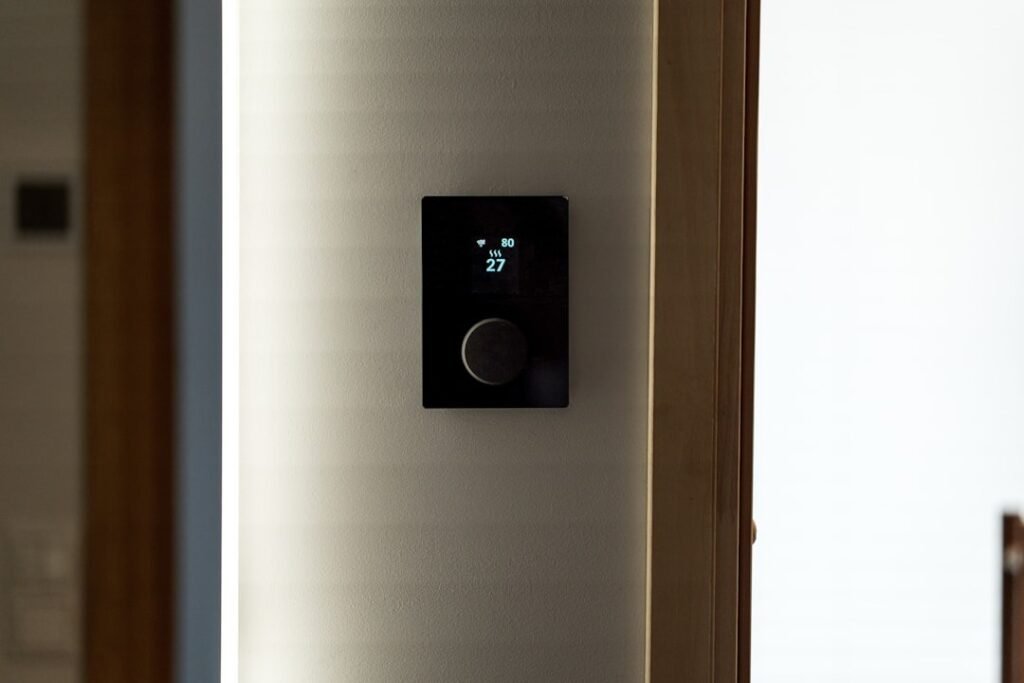
Your thermostat is your primary control for indoor climate. While it might be tempting to set it to a very low temperature, this isn’t always the most efficient or effective approach, especially in humid conditions. We’ve learned that increasing your thermostat by just 1°C in warm weather can reduce cooling costs by about 2%, and even more significantly, reduce the running cost of your air conditioner by about 10%. ENERGY STAR® recommends setting your thermostat to 78°F (approximately 25.5°C) when you’re home and awake for an optimal balance of comfort and efficiency. When you’re away, setting it higher, around 85°F (29.5°C), can save energy, and at night, around 82°F (27.7°C) for sleeping.
Smart thermostats take this a step further. They allow for precise scheduling, remote control via apps, and can even learn your usage patterns to optimize energy consumption automatically. A programmable thermostat can trim about $180 a year from your energy bill by ensuring you’re not over-cooling an empty house. These devices can help you maintain comfort while minimizing energy waste.
Reducing Internal Heat and Moisture Loads
Many everyday household activities generate heat and moisture, adding to your cooling burden. By making conscious choices, we can significantly reduce these internal loads:
- Outdoor Grilling: Instead of using your oven or stovetop, which release considerable heat into your home, take your cooking outdoors to the grill. This keeps the heat outside where it belongs.
- Appliance Timing: Run heat-generating appliances like dishwashers, washing machines, and dryers during cooler evening or nighttime hours. Even better, hang clothes on an outdoor line instead of using a dryer during the summer.
- LED Lighting: Traditional incandescent light bulbs produce 70-90% of their energy as heat. Switching to ENERGY STAR®-rated LED light bulbs can dramatically reduce this internal heat gain, making your home feel cooler.
- Exhaust Fan Timing: Always use exhaust fans in bathrooms during and after showers, and in the kitchen while cooking. Keep them running for at least 20 minutes after to ensure all lingering moisture is expelled. This is a critical step in preventing humidity buildup.
- Cold Showers: Taking cooler showers not only helps cool you down personally but also introduces less steam and moisture into your home’s air.
- Unplug Electronics: Even when turned off, many electronics draw “phantom” power and generate a small amount of heat. Unplugging them when not in use can contribute to a slightly cooler home.
Dehumidifiers for Targeted Moisture Removal
For persistent humidity issues, especially in basements or particularly damp areas, a dedicated dehumidifier can be invaluable.
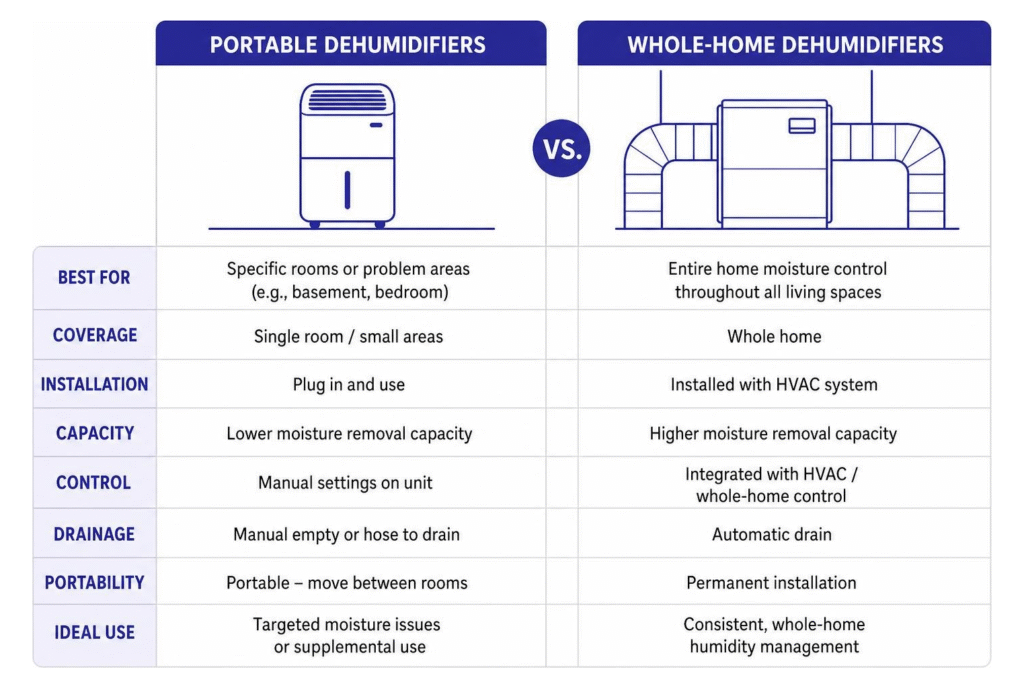
ENERGY STAR® certified dehumidifiers use up to 15% less energy than other current models, making them an efficient choice. While portable units are great for specific rooms, whole-home dehumidifiers can integrate with your HVAC system to manage moisture levels throughout your entire house. They work by drawing in humid air, cooling it to condense the moisture, and then releasing drier air back into the room. This process makes the air feel cooler and more comfortable, often allowing you to set your AC thermostat a few degrees higher without sacrificing comfort, saving energy. They are particularly effective when your AC isn’t running long enough to adequately dehumidify, or in climates where humidity is high even when temperatures are moderate.
Sealing, Insulation, and Exterior Shading
The battle against summer heat and humidity often begins with your home’s physical structure. Preventing unwanted heat and moisture from entering is just as important as removing it once inside.
Enhancing Building Enclosures with Weatherstripping
Your home’s envelope – its walls, roof, windows, and doors – is the first line of defense. Air leaks around windows and doors can let in significant amounts of hot, humid air. Applying weatherstripping and caulk to seal these gaps is a low-cost, high-impact strategy. This not only keeps the cool, dry air inside but also prevents the infiltration of humid outdoor air. Similarly, ensuring proper attic ventilation and installing vapor barriers in crawlspaces can prevent moisture from rising into your living areas. Leaky ducts, which can account for 25% of cooling costs in an average home, should also be sealed to ensure conditioned air reaches its intended destination without loss.
Window Treatments and Strategic Landscaping
Windows are a major entry point for heat. Up to 30% of unwanted heat enters your home through windows. Addressing this can significantly reduce your cooling load:
- Close Blinds and Curtains: During peak sun hours (typically 10 am to 4 pm), keep blinds, shades, or curtains closed, especially on south and west-facing windows. Block-out curtains or window tinting can be particularly effective, keeping a house 10-15 degrees cooler.
- Reflective Window Film: Installing reflective window film can block a significant amount of solar heat gain.
- Awnings and Exterior Shades: External coverings like awnings or exterior shades are highly effective at blocking sunlight before it even reaches the windowpane.
- Strategic Landscaping: Planting deciduous trees on the south and west sides of your home provides excellent shade during the summer, reducing air conditioning needs by up to 25%. In winter, these trees lose their leaves, allowing sunlight to warm your home.
Additionally, light-colored exteriors for your home can reflect more solar radiation, while dark colors absorb it, contributing to a cooler interior.
Airflow Optimization and Preventative Maintenance
Even with the best systems and insulation, optimizing airflow and performing regular maintenance are crucial for sustained comfort and efficiency throughout humid summers.
Maintaining System Integrity and Whole-Home Heating and Cooling Solutions
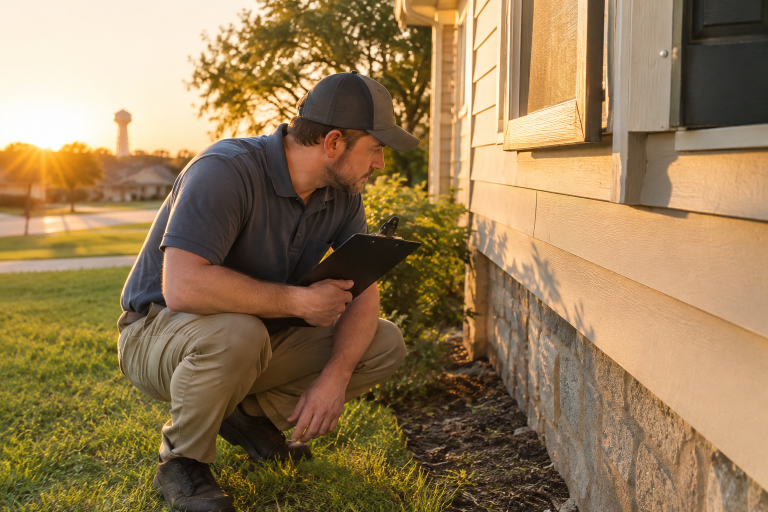
Investing in comprehensive hvac services and regular maintenance for your system is non-negotiable for efficient operation, especially in humid climates. An annual tune-up by a professional HVAC technician, ideally in mid-to-late spring before the summer heat sets in, can identify and address potential issues. This includes cleaning condenser coils, checking refrigerant levels, inspecting ductwork for leaks, and ensuring the condensate drain is clear. A well-maintained system runs more efficiently, provides better dehumidification, and is less likely to break down when you need it most. We recommend scheduling these visits to ensure your system is ready to tackle the demands of August 2026 and beyond.
Beyond professional tune-ups, there are simple steps you can take:
- Filter Changes: Regularly clean or replace your HVAC air filters. A dirty filter restricts airflow, making your system work harder and reducing its efficiency in both cooling and dehumidifying.
- Outdoor Unit Cleaning: Keep the outdoor condenser unit clear of debris, leaves, and dirt. Periodically rinsing it with a garden hose can improve its heat dissipation capabilities.
- Ductwork Inspection: Have your ductwork inspected for leaks. Leaky ducts can waste a significant amount of conditioned air, impacting both comfort and energy bills.
- Ventilation Clearance: Ensure that all vents and returns are unobstructed by furniture or curtains to allow for optimal airflow throughout your home.
Leveraging Ceiling Fans for Personal Cooling
Ceiling fans are an energy-efficient way to enhance comfort. They don’t actually lower the room’s temperature, but they create a wind-chill effect on your skin, making you feel up to 10 degrees cooler. This allows you to set your thermostat a few degrees higher, saving energy. A ceiling fan uses only about 10% of the energy required by a central air conditioner.
During summer, ensure your ceiling fans are set to rotate counter-clockwise (when looking up at them). This pushes air down, creating a refreshing breeze. Fans cool people, not rooms, so turn them off when you leave a room to save energy. ENERGY STAR®-rated ceiling fans are 60% more efficient than standard models, offering even greater savings.
Frequently Asked Questions About Summer Cooling and Humidity
We often encounter common questions about managing home comfort during humid summers. Here are some of the most frequent inquiries:
What is the ideal indoor humidity level during humid summers?
For optimal comfort and to prevent issues like mold growth, we recommend maintaining an indoor relative humidity level between 30% and 50% during humid summers. This range allows for effective sweat evaporation from the skin, making the air feel cooler and less sticky. Using a hygrometer to monitor your home’s humidity can help you stay within this ideal range. Consistently exceeding 60% relative humidity can lead to discomfort, promote mold and dust mite proliferation, and potentially cause damage to your home’s structure.
How do ceiling fans help lower home temperatures?
Ceiling fans do not lower the ambient temperature of a room. Instead, they create a wind-chill effect by circulating air, which helps evaporate moisture from your skin. This makes you feel cooler, often by as much as 4-5°C (or 10 degrees Fahrenheit). Because they make you feel more comfortable, you can often set your air conditioner’s thermostat a few degrees higher without noticing a difference in comfort. This small adjustment can lead to significant energy savings, as ceiling fans use considerably less electricity than an air conditioning unit. Remember to set them to rotate counter-clockwise in the summer to push air downwards.
Can lowering the AC thermostat eliminate high humidity?
While air conditioners do remove some humidity as part of their cooling process, simply lowering the thermostat excessively is not the most effective or energy-efficient way to combat high humidity. When you set the thermostat very low, the AC unit cools the air quickly and then cycles off. This “short cycling” means the system doesn’t run long enough to adequately extract moisture (latent heat) from the air. As a result, your home might feel cold but still clammy. For true humidity control, especially in very humid climates, a properly sized AC unit that runs for longer cycles, or a dedicated dehumidifier (either portable or whole-home), is often more effective. These solutions are designed specifically to remove moisture without over-cooling your home, leading to better comfort and energy efficiency.
See also: Why Legal Representation Matters in Family Law Conflicts
Conclusion
Navigating humid summers requires a holistic approach to home cooling and comfort. By understanding the interplay between temperature and humidity, we can implement strategies that not only make our homes more comfortable but also significantly reduce our energy consumption and environmental impact. From optimizing your HVAC system with proper sizing and regular maintenance to leveraging smart thermostats and energy-efficient appliances, every step contributes to a cooler, drier indoor environment.
Embracing passive cooling techniques like strategic shading, effective sealing, and nighttime ventilation further enhances efficiency. And don’t underestimate the power of simple behavioral changes, such as timing appliance use or grilling outdoors. By combining these approaches, we can create a comfortable sanctuary that stands up to the muggiest summer days of August 2026, ensuring long-term efficiency and well-being for our homes and our families.