
The housing market impacts everyone. Whether you are renting or dreaming of homeownership, understanding its complexities is key. In 2026, new trends and policies shape our experiences daily.
We will explore the dynamic world of real estate and housing. This article covers everything from rising mortgage rates and affordability challenges to government programs. We will look at federal, state, and local efforts to create stable housing.
Join us as we navigate this landscape. We will examine market shifts, flexible housing solutions – for instance, cities like Detroit offer various flexible options, including Detroit affordable furnished housing – and important policy changes. Our goal is to provide clear insights into your housing journey, from renting to owning.
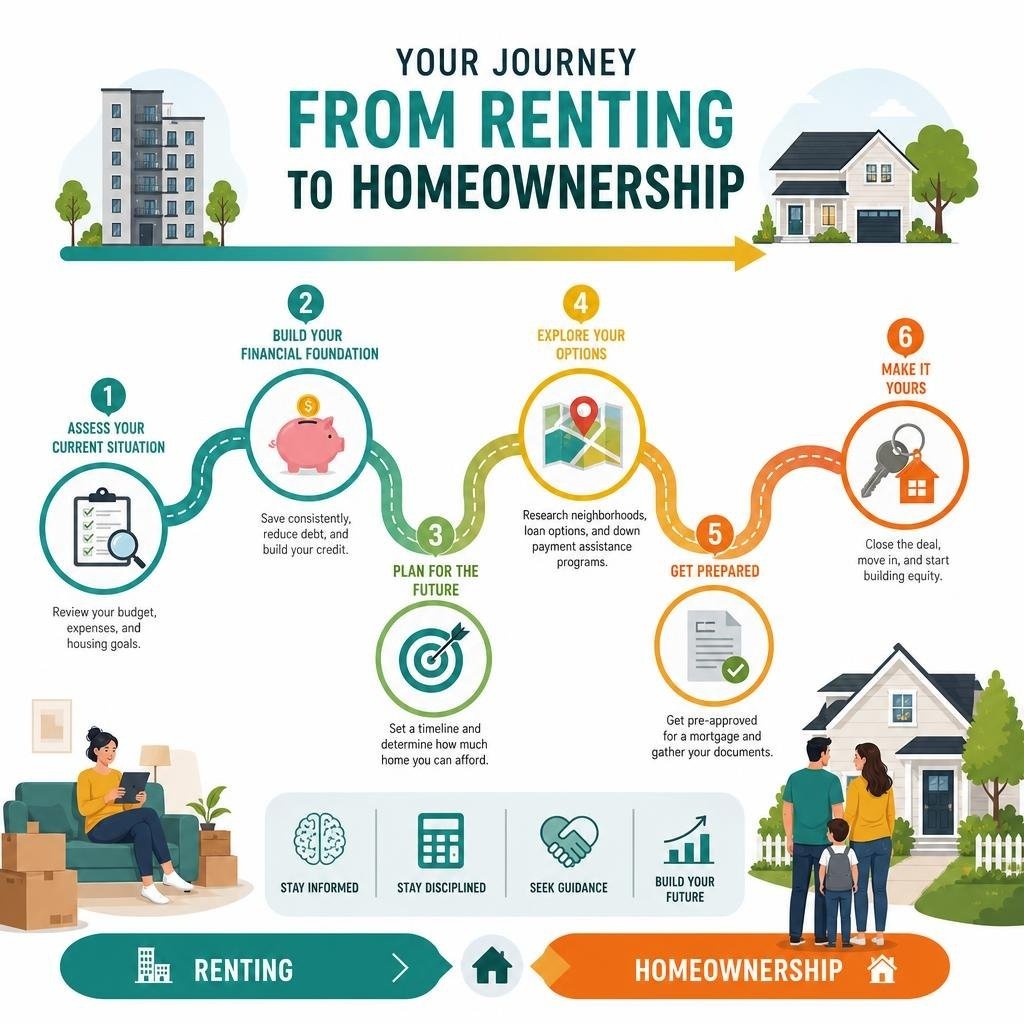
The year 2026 presents a complex picture for the real estate and housing sector, influenced by a confluence of macroeconomic factors. Mortgage rates, inflation, and the resilience of the labor market continue to shape affordability and demand. Understanding these broader trends is essential for both homebuyers and renters. Data from reputable sources like the Harvard Joint Center for Housing Studies and Realtor.com provides crucial insights into these dynamics.

Rising Mortgage Rates and Affordability Pressures
Federal Reserve policies, aimed at curbing inflation, have kept mortgage rates elevated throughout 2026. Realtor.com’s midyear forecast projects mortgage rates to average 6.3% for the year, a significant factor influencing buyer purchasing power. While some relief was seen in early 2026, renewed inflation and geopolitical events have sustained these higher rates, pushing potential rate cuts further into the future.
Despite a slight cooling in home price growth—Realtor.com forecasts a 1.2% year-over-year increase in nominal prices—the reality for many buyers is that homes remain expensive. When accounting for inflation, home prices are effectively declining in real terms, which offers a glimmer of improved affordability. However, this is largely offset by the cumulative effect of rising costs over recent years. Since 2020, home prices nationwide have surged by 54%.
The affordability crisis is particularly acute for renters. The Harvard Joint Center for Housing Studies (HJCfHS) reported that in 2024, a staggering 22.7 million renter households, or 49% of the total, were cost-burdened, spending over 30% of their income on housing. Even more concerning, 12.1 million households (26%) faced severe cost burdens, dedicating more than half of their income to rent. This situation has worsened significantly, with 2.3 million more renter households becoming cost-burdened since 2019. The scarcity of affordable units is stark: 11.0 million extremely low-income renter households are competing for just 3.8 million affordable and available units.
Beyond mortgage payments and rent, homeowners face escalating ancillary costs. Property taxes rose by 31% between 2019 and 2025, while average monthly insurance premiums jumped an alarming 72% over the same period. These increases add substantial pressure to household budgets, further eroding affordability across the board.
Housing Cost Category 2019 Baseline 2025/2026 Status Change (2019-2025) Home Prices (National) – +54% Significant Increase Property Taxes – +31% Substantial Increase Insurance Premiums – +72% Dramatic Increase Cost-Burdened Renters – +2.3 Million HH Worsening Situation Shifting Demographics and Housing Demand
Demographic shifts are profoundly influencing housing demand and policy priorities in 2026. The HJCfHS highlights a significant deceleration in household growth, falling from 2.0 million in 2021 to 1.1 million in 2025. This slowdown is partly attributed to weakening labor markets and a plummeting rate of international migration, which is expected to drop by 75% in 2026.
Residential mobility, the rate at which people move, hit a record low of 11.2% in 2024. This suggests that fewer people are moving, possibly due to high housing costs, lack of inventory, or economic uncertainty. These trends have implications for both supply and demand, as fewer moves mean less turnover in existing housing stock.
However, certain demographic segments are creating unique demands. Aging populations are increasingly opting for “aging-in-place” outcomes, driven by factors like higher home-care spending by states. This preference often means a need for accessible housing modifications or supportive community services, influencing local housing development. Concurrently, affordability challenges are leading to an uptick in multi-generational living arrangements, where multiple generations share a single household to pool resources and manage costs. These shifts require flexible housing solutions and policy considerations that address diverse household structures and needs.
Navigating the Rental Market and Flexible Housing Solutions
The rental market in 2026 continues to be a critical component of the overall real estate and housing landscape, especially given the persistent affordability challenges in homeownership. While rents have seen some moderation, the demand for flexible and accessible rental options remains high.

Realtor.com’s forecast indicates that rents are expected to drop another 1.2% in 2026. This modest decline is largely due to a significant pipeline of new multifamily construction adding supply to the market. Despite this, the national rental vacancy rate registered at 7.3% in Q1 2026, which is near the long-term average of 7.2%. This suggests that while supply is increasing, demand is still robust, preventing a sharp drop in rental prices. Many landlords are also offering concessions to attract and retain tenants, a common strategy in a more competitive rental environment.
Emerging Trends in the Mid-Term and Furnished Rental Sector
In response to evolving lifestyle and work patterns, the mid-term and furnished rental sector is experiencing significant growth. This market caters to individuals and companies seeking flexible housing solutions that bridge the gap between short-term hotel stays and traditional long-term leases. These options are particularly appealing for corporate relocations, project-based work, temporary assignments, or individuals undergoing life transitions.
Corporate housing providers offer turnkey accommodations, meaning properties are fully furnished and equipped with all necessary utilities, internet, and household items. This “just bring your suitcase” model simplifies the moving process, offering convenience and immediate occupancy. Flexible lease terms, often with 30-day minimum stays and open-ended options without requiring a departure date at booking, provide unparalleled adaptability.
Cities like Detroit, with its revitalized urban core and growing business sectors, have seen a rise in such services. Providers in this area specialize in destination housing for individuals, employers, and relocation companies, offering fully furnished apartments, condos, and even houses. This model serves as a cost-effective alternative to extended-stay hotels and provides a more home-like environment. For instance, various options are available for those seeking flexible living arrangements, including Detroit affordable furnished housing. These services often bundle all costs—rent, utilities, internet, and furnishings—into a single payment, simplifying budgeting for temporary residents.
Eviction Prevention and Tenant Protections
Amidst the ongoing rental affordability crisis, eviction prevention and tenant protection programs have become increasingly vital. Many states and localities are implementing initiatives to safeguard vulnerable renters from displacement.
In Delaware, for example, the “Delaware’s Right to Representation” initiative provides free legal help for renters facing eviction through services like Delaware Legal Help Link. This program is a critical resource, offering legal counsel and representation to ensure tenants understand their rights and have a fair chance in eviction proceedings. Such programs are essential given the high number of cost-burdened renters, where a single unexpected expense or income disruption can lead to housing instability.
These legal aid resources, alongside various housing stability programs, aim to reduce the number of evictions and keep families housed. They often work in conjunction with financial assistance programs and housing counseling to address the root causes of eviction, fostering greater security within the rental market.
Federal and State Policy Interventions in Real Estate and Housing
Government intervention at federal and state levels plays a crucial role in shaping the real estate and housing landscape. In 2026, significant legislative efforts and ongoing programs aim to address affordability, increase supply, and ensure equitable access to housing.
The Impact of the 21st Century ROAD to Housing Act
A landmark piece of legislation, the 21st Century ROAD to Housing Act, became law in July 2026, marking the broadest federal housing package since 1990. Notably, this bipartisan bill passed Congress with overwhelming support but became law without a presidential signature, an unusual constitutional process. The Act introduces several key provisions designed to impact various aspects of the housing market:
- Institutional Investor Restrictions: The law places limits on large institutional investors, barring those owning 350 or more single-family homes from purchasing additional ones. This measure aims to curb the corporatization of the single-family rental market, although it includes exceptions for certain build-to-rent projects, acknowledging their role in increasing housing supply.
- Manufactured Housing Boost: A significant change for manufactured housing is the removal of the requirement that these homes sit on a permanent steel chassis. This reform is projected to cut construction costs by $5,000 to $10,000 per home, making manufactured housing a more affordable option and potentially increasing its production.
- Permitting Streamlining and Zoning Reforms: The Act establishes a $200 million annual grant program for cities and localities that streamline permitting and zoning processes. This incentive aims to reduce regulatory barriers that often delay and increase the cost of new housing construction. It also includes provisions for accelerating environmental reviews for home construction, further easing development.
- Other Provisions: The legislation also authorizes permanent funding for Community Development Block Grant-Disaster Recovery (CDBG-DR) and updates USDA rural housing programs, along with raising FHA multifamily loan limits.
These reforms signify a concerted effort to tackle housing supply shortages and affordability challenges through regulatory adjustments rather than massive new spending.
State-Level Initiatives and Public-Private Partnerships
Complementing federal efforts, states are actively developing and expanding their own housing initiatives, often leveraging public-private partnerships to maximize impact. These programs are crucial for addressing local and regional housing needs.
South Carolina Housing (SC Housing) serves as an excellent example of a state agency committed to promoting homeownership and affordable housing. Through programs like the Palmetto Heroes Program, SC Housing has helped essential workers, including teachers, healthcare professionals, and military personnel, secure home loans. In 2026, the Palmetto Heroes Program successfully registered 272 home loans, demonstrating its continued impact.
Another innovative initiative is the “Made It Home!” Program, which aims to construct affordable homes. SC Housing has named five builders as preliminary award recipients to construct the first suite of 130 homes under this program, showcasing a direct approach to increasing affordable housing stock. SC Housing also offers fixed-rate mortgages and down payment assistance for first-time and move-up buyers, removing significant financial barriers to homeownership.
States also utilize Housing Trust Funds to finance affordable housing developments and preservation. These funds, often generated from dedicated revenue streams, provide flexible capital for projects that might not qualify for traditional financing. The emphasis on public-private partnerships allows state agencies to collaborate with developers, non-profits, and community organizations, pooling resources and expertise to deliver more housing solutions. SC Housing champions the idea that “everyone benefits when critical workers… can live within the communities they serve,” highlighting the broader community impact of affordable housing choices.
Local Housing Programs and Community-Driven Solutions
While federal and state policies set the broad framework, the most direct impacts on communities often come from local housing programs and community-driven initiatives. These efforts are tailored to specific local needs, addressing everything from housing development to homeowner support.
Cities like Wilmington, DE, actively participate in federal housing programs, outlining their strategies in documents such as the Annual Action Plan. The 2026-2027 Annual Action Plan for Wilmington details how federal funds from programs like Community Development Block Grants (CDBG), HOME Investment Partnerships (HOME), Housing Opportunities for Persons with AIDS (HOPWA), and Emergency Solutions Grants (ESG) are allocated. These funds support a range of activities, including affordable housing development, rental assistance, homeless services, and community infrastructure improvements.
Transparency and accountability are paramount in local housing policy. Public notices and requests for public comment, along with performance reports like Consolidated Annual Performance and Evaluation Reports (CAPERs), ensure that residents have a voice in decisions affecting their lives and that public funds are administered prudently. For those navigating the broader landscape of available programs and services in real estate and housing, resources exist to help individuals understand their options and application processes.
Accessing Affordable For-Sale Housing and Deed-Restricted Homes
For many aspiring homeowners, particularly first-time buyers, accessing affordable for-sale housing is a significant challenge. Cities and housing authorities are addressing this through programs that facilitate the purchase of deed-restricted homes.
The San Diego Housing Commission (SDHC) offers a robust Affordable For-Sale Housing program that helps low- and moderate-income first-time homebuyers purchase homes at below-market prices. These properties are “deed-restricted,” meaning their resale price is capped to ensure long-term affordability for future eligible buyers.
To qualify, households must meet specific eligibility requirements, including having an income at or below San Diego’s Area Median Income (AMI) restrictions. First-time homebuyer status typically means not having owned a home in the last three years. Buyers can find these homes by searching MLS listings or platforms like Zillow and Redfin using keywords such as “deed restricted.” The application process involves submitting documents through the seller’s real estate agent, followed by prescreening and underwriting by SDHC. While an extremely limited number of these homes become available each year, they represent a vital pathway to homeownership for eligible families.
Examples of developments with deed-restricted homes in San Diego include Bella Rosa (60-80% AMI), Cristamar (65% AMI), and Sycamore Walk (80% AMI), offering various bedroom configurations to suit different household sizes. These programs often encourage or require participation in homebuyer education classes to prepare individuals for the responsibilities of homeownership.
Preventing Displacement and Supporting Homeowners
Even homeowners can face significant challenges, particularly with rising costs and economic uncertainties. Programs designed to prevent displacement and support existing homeowners are crucial for maintaining stable communities.
The Delaware Mortgage Relief Program (DEMRP) is a vital resource for homeowners at risk of displacement due to unpaid housing obligations. This program, accessible by calling (888) 303-4324 or visiting demortgagehelp.com, provides financial assistance to help homeowners catch up on mortgage payments, property taxes, and other housing-related expenses. Such relief programs are critical in an environment where property taxes have risen 31% and average monthly insurance premiums have jumped 72% between 2019 and 2025, placing immense pressure on homeowners’ budgets.
Beyond direct financial aid, housing preservation initiatives (like SC Housing’s HPI) offer grants for home repairs, ensuring that homes remain safe and habitable, particularly for low-income and elderly residents. These programs not only help individual homeowners but also contribute to the stability and vitality of entire neighborhoods by preventing blight and maintaining property values. By addressing issues like foreclosure risk and escalating homeownership costs, these local and state efforts bolster long-term housing security.
Frequently Asked Questions About Real Estate and Housing
Here, we address some common questions regarding the current landscape of real estate and housing, drawing on the insights and programs discussed.
What assistance is available for homeowners at risk of foreclosure or displacement?
Homeowners facing financial distress due to unpaid housing obligations have several avenues for assistance. Programs like the Delaware Mortgage Relief Program (DEMRP) are specifically designed to provide financial aid to prevent foreclosure and displacement. This can include help with overdue mortgage payments, property taxes, utility bills, and other housing-related costs. Homeowners should contact their state’s housing finance agency or a local housing counseling agency to inquire about available mortgage relief, foreclosure prevention services, and home repair grants. These resources are crucial for navigating unexpected financial hardships and maintaining homeownership.
How does the 21st Century ROAD to Housing Act affect manufactured housing and institutional investors?
The 21st Century ROAD to Housing Act, enacted in July 2026, introduces significant changes. For manufactured housing, it removes the requirement for homes to be built on a permanent steel chassis. This reform is anticipated to reduce construction costs by $5,000 to $10,000 per unit, making manufactured homes more accessible and affordable. Regarding institutional investors, the Act bars large entities owning 350 or more single-family homes from acquiring additional properties. This aims to temper the influence of corporate buyers in the single-family market, though exceptions exist for build-to-rent projects that contribute to increasing housing supply.
How can buyers find and qualify for deed-restricted affordable homes?
Buyers interested in deed-restricted affordable homes should first determine if they meet specific eligibility criteria, primarily related to household income and first-time homebuyer status. Income limits are typically set as a percentage of the Area Median Income (AMI). To find these properties, prospective buyers can search multiple listing services (MLS) or popular real estate platforms like Zillow and Redfin, using keywords such as “deed restricted” in their search filters. The application process usually involves submitting an application through the seller’s real estate agent, followed by income and asset verification by the local housing authority (e.g., San Diego Housing Commission). Attending homebuyer education courses is also highly recommended to prepare for the unique aspects of purchasing and owning a deed-restricted property.
Conclusion
The real estate and housing market in 2026 is a dynamic environment, shaped by persistent affordability challenges, evolving macroeconomic factors, and significant policy interventions. From the upward pressure of mortgage rates and escalating homeowner costs to the critical need for affordable rental options, the housing journey remains complex for many.
However, the landscape is also marked by concerted efforts to address these issues. Federal legislation like the 21st Century ROAD to Housing Act aims to boost supply and regulate investor activity, while state and local programs, such as those in South Carolina and Wilmington, DE, provide targeted relief and pathways to homeownership. Innovations in flexible rental solutions and robust tenant protection initiatives are also playing a crucial role in ensuring housing stability across diverse communities.
As we look ahead, the integration of thoughtful policy, community development, and robust support systems will be paramount to fostering sustainable homeownership and ensuring that everyone has access to safe, stable, and affordable housing. Understanding these trends and available resources is the first step in navigating this ever-changing market.