Key Takeaways
- The best Parkland neighborhood depends on your routines, budget, preferred home style, and plans.
- Compare full ownership costs, not just the listing price. Taxes, insurance, HOA fees, and upkeep can materially change affordability.
- Verify practical details, including school assignments, rush-hour drive times, amenities, and community restrictions.
- Use recent comparable sales within similar home types and neighborhoods instead of relying on a citywide average.
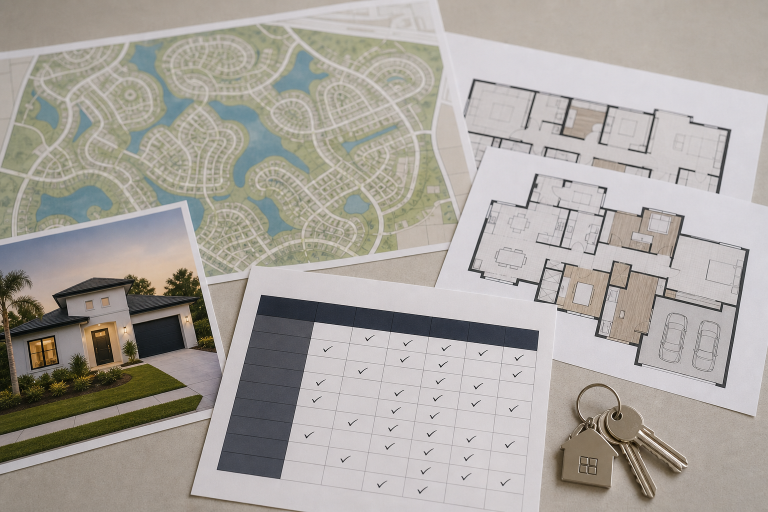
- A simple scorecard makes tradeoffs clearer and keeps a home search focused on evidence rather than first impressions.
Buying in Parkland is about more than finding a house with the right number of bedrooms or a beautiful pool. Communities can differ significantly in lot size, association rules, school routes, outdoor space, maintenance needs, and long-term flexibility. A thoughtful neighborhood comparison helps buyers choose a setting that works for everyday life and future resale. For buyers evaluating estate properties, gated communities, golf-oriented neighborhoods, and other Parkland options, Pine Tree Estates real estate experts, Bill Sohl Luxury Homes Team, provide local real estate guidance across Parkland and surrounding South Florida communities. Bill Sohl Luxury Homes Team focuses on luxury homes, waterfront estates, golf-course communities, and exclusive residences, giving buyers a useful perspective on the differences between areas such as Pine Tree Estates, Heron Bay, Parkland Bay, and Parkland Golf & Country Club.
Why Neighborhood Comparison Matters
Two homes with similar prices can create very different ownership experiences. One may offer a newer roof, including landscaping, sidewalks, and shared recreation. Another may provide more privacy and land but require higher insurance, irrigation, pool care, and outdoor maintenance. Location within a community also matters. A home near an entrance, a school route, a lake, a golf course, or a busy internal street can affect noise, privacy, convenience, and resale appeal. Parkland includes planned communities, gated neighborhoods, larger-lot properties, and homes near parks or golf facilities. Citywide pricing can provide a broad context, but it should never replace neighborhood-level research. Review the home type, age, condition, lot characteristics, and recent sales that truly resemble the property you are considering.
Start With Your Lifestyle
Turn broad preferences into practical search criteria before touring homes. Decide whether privacy, walkability, shared amenities, a larger yard, or a short drive to errands is most important to you. Consider school runs, remote-work space, pets, frequent guests, multigenerational living, and how often the household uses outdoor areas. Create two lists: non-negotiables and preferences. For example, a one-story layout, a home office, a fenced yard, or a specific monthly budget may be essential. A clubhouse, lake view, or three-car garage may be desirable but optional. Visit each finalist neighborhood on a weekday morning, weekday evening, and weekend afternoon to observe traffic, activity, parking, and noise.
Compare The Total Cost
The purchase price is only one part of the housing budget. Compare mortgage payments, property taxes, homeowners’ insurance, flood coverage when applicable, association dues, utilities, landscaping, pool service, pest control, and routine maintenance. Also plan for major systems such as roofs, air conditioning, drainage, storm protection, and exterior improvements. For example, a $1.1 million home with a lower HOA fee may still cost more each month than a $1.2 million home if it needs higher insurance coverage, frequent pool service, and extensive landscaping. Ask for realistic estimates rather than assuming that a larger yard or pool is included in the same monthly cost as a smaller, low-maintenance property.
Review Home Types And Lot Sizes
Compare homes on the characteristics that shape daily use and future demand. Newer construction can offer more current layouts and hurricane-resistant features, while established homes may offer mature landscaping, larger lots, and renovation opportunities. Evaluate single-family and attached options separately, then compare one-story and multi-level designs based on accessibility and long-term comfort. Look carefully at roof age, impact windows or shutters, air-conditioning systems, permit history, renovation quality, drainage, and irrigation. Pool homes, lakefront homes, golf-course homes, and estate properties can each offer a distinct lifestyle. A larger lot may improve privacy and entertaining space, but it can also mean more landscaping, water use, and upkeep.
Check Schools, Commutes, And Services
Do not rely solely on a listing description for school information. Confirm the address through the official Broward County Public Schools school locator, since assignments and options can vary by address and school year. Families should also understand the difference between an assigned school and any choice, magnet, or reassignment process. Test actual travel times during work and school rush periods. Review access to grocery stores, medical offices, parks, restaurants, major roads, police services, fire stations, and emergency care. Sidewalks, trails, playgrounds, and safe routes for walking or cycling may be central to daily satisfaction, especially for households with children or pets.
Study HOA Rules And Amenities
An HOA can preserve appearance standards and provide shared amenities, but its rules may affect how you use the property. Review fees and exactly what they cover. Ask about approval requirements for exterior paint, fencing, landscaping, solar panels, generators, pools, renovations, pets, rentals, parking, boats, and recreational vehicles. Request governing documents, budgets, reserve information, meeting minutes, and details of planned capital projects or special assessments. Visit amenities in person. A brochure may highlight a clubhouse or fitness center, but a personal visit shows its condition, hours, accessibility, and the real level of use.
Use Market Data Wisely
Market statistics are most useful when they answer a specific question. Compare recent sold prices, days on market, price reductions, list-to-sale ratios, and available inventory for similar homes. Separate luxury estates, townhomes, pool homes, and standard single-family properties because they do not always move at the same pace.
See also: Why Legal Representation Matters in Family Law Conflicts
Build A Neighborhood Scorecard
Score each neighborhood from one to five using the same categories. The goal is not mathematical perfection. It is to make tradeoffs visible before emotions take over.
- Budget, 25%: Does the total monthly cost fit comfortably?
- Location, 20%: Does it work for employment, schools, shopping, and healthcare?
- Home Fit, 20%: Does it provide the right layout, storage, lot, and outdoor space?
- Community Features, 15%: Do amenities, rules, and atmosphere fit the household?
- Future Flexibility, 10%: Could the home work through a job change, growing family, or resale period?
- Risk And Maintenance, 10%: Are insurance, drainage, aging systems, or repair needs manageable?
Questions To Ask Before Buying
- What are the most recent comparable sales for similar homes in this neighborhood?
- How long do comparable properties usually remain on the market?
- Have insurance costs, HOA dues, or special assessments changed recently?
- What restrictions apply to rentals, renovations, pets, parking, boats, or vehicles?
- Are there planned nearby improvements that could affect traffic, views, or convenience?
- Does the home’s position within the community affect privacy, noise, or resale potential?
Final Checklist
- Set a complete monthly housing budget.
- Identify your five most important lifestyle needs.
- Compare three to five Parkland neighborhoods.
- Visit each one at different times of day.
- Review HOA documents, permits, and property records.
- Confirm school and zoning details through official sources.
- Compare recent sales by home type, size, and condition.
- Assess insurance, roof, drainage, and storm-protection concerns.
- Score each neighborhood using consistent criteria.
- Revisit your leading choice before making an offer.
The right Parkland neighborhood is not automatically the newest, most expensive, or most amenity-rich option. It is the one that best matches your budget, routines, comfort level, and plans. Careful comparison leads to a more confident decision and a home purchase that continues to fit well long after closing.