Maintaining a pest-free home is crucial for both comfort and health. Unwanted visitors such as ants, cockroaches, and rodents can pose significant health risks and damage your property. Addressing these issues proactively is key to creating a safe environment for your family. Relying on trusted solutions and providers, such as Romney Pest Control, can help you implement effective prevention strategies. Whether you are dealing with a current problem or aiming to avoid future infestations, following proven steps can make a notable difference in keeping pests at bay.
Pests often seek food, water, and shelter, making homes prime targets. By understanding what attracts them and implementing a combination of cleanliness, physical barriers, and natural deterrents, you can significantly minimize the risk of unwanted intruders. Practicing good home maintenance habits and staying vigilant year-round are vital, especially since many pests are active year-round. Taking action now can help you avoid challenges and costs later on.
Understanding Common Household Pests
Household pests come in many forms, each with its own challenges. Some of the most common pests include:
- Ants: Attracted to sweet and greasy foods, ants form colonies quickly and can easily contaminate pantry supplies.
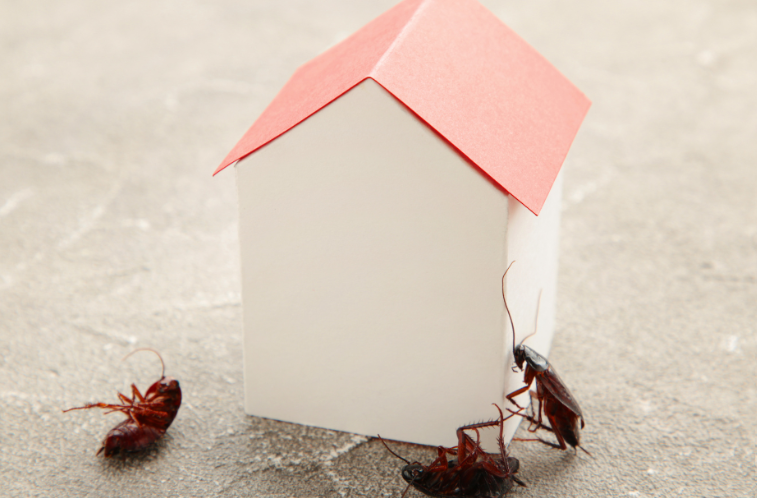
- Cockroaches: Renowned for their resilience, cockroaches carry bacteria, trigger allergies, and exacerbate asthma, making them a major health risk.
- Rodents: Mice and rats not only destroy property but also spread disease through droppings and urine. They often chew through wires, which can become a fire hazard.
- Spiders: While most spiders are harmless and even help with insect control, some produce venomous bites. Keeping their populations in check is important, especially for families with young children or pets.
Each pest has unique characteristics, but generally seeks food, water, and shelter. Understanding the habits and preferences of these unwanted guests is the first step in preventing them from making your home theirs.
Maintaining Cleanliness
Cleanliness is one of the most effective deterrents for household pests. Food crumbs, spills, and leftover trash attract pests quickly. To minimize pest activity, regularly wipe down countertops, sweep and vacuum floors, and keep trash cans clean and sealed. Pay extra attention to the kitchen and dining areas since crumbs and spills often go unnoticed. Frequent garbage disposal and ensuring bins have tight-fitting lids prevent pests from finding an easy meal.
- Wipe food preparation surfaces after each meal.
- Clean up spills and crumbs immediately, including hard-to-reach places under appliances.
- Dispose of trash promptly and use closed or latched bins.
Sealing Entry Points
Pests may enter homes through tiny gaps and cracks. Blocking these openings is crucial for long-term prevention. Inspect the structure thoroughly, focusing on areas where pipes and wires enter, as well as around windows and doors. Install weather stripping, repair damaged screens, and fill cracks in foundations and walls. Ensure all vents and chimney openings have secure covers or mesh to stop entry while allowing proper ventilation. Regular maintenance is key to keeping new gaps from forming over time.
Proper Food Storage
How you store food greatly influences pest activity. Use airtight containers for dry goods like flour, sugar, and cereal. Keep produce refrigerated when possible, and do not leave pet food exposed overnight. Regularly clean out your pantry and check for signs of pests such as gnaw marks or chewed packaging. Promptly wipe up any spills inside cupboards or refrigerators to keep pests from being drawn to hidden food sources.
Managing Moisture
Excess moisture creates an ideal environment for pests such as cockroaches, silverfish, and even rodents. Ensure that any plumbing leaks are repaired immediately. Use dehumidifiers in basements, bathrooms, and other damp spaces to keep humidity levels in check. Regularly inspect gutters and downspouts to ensure that water is being diverted away from your home’s foundation. Proper ventilation in attics and crawl spaces also plays a critical role in moisture control, reducing the risk of infestation.
Regular Inspections
Detecting pest activity early helps avoid larger infestations. Conduct regular inspections of basements, attics, and crawl spaces, as these are common hiding spots. Look for droppings, nests, shredded material, or gnaw marks. Pay attention to odd sounds or smells, which can signal the presence of pests before they cause extensive damage. Schedule annual pest inspections as part of your home’s routine upkeep.
Natural Repellents
There are several natural strategies for discouraging pests. Essential oils like peppermint and clove can be used to make spray repellents that work well along baseboards and near entry points. For more stubborn pests, diatomaceous earth is a non-toxic powder that can be sprinkled in high-risk areas and is safe for pets and children. While natural methods can help, they often work best as part of an integrated pest management plan.
See also: Understanding Business Loan Options for Entrepreneurs
When to Seek Professional Help
If preventive steps are not enough and pests keep returning, it is time to consult a professional pest control company. Persistent infestations, especially those involving termites, bed bugs, or large rodent colonies, generally require advanced treatment methods only available to trained technicians. Professionals use targeted, safe solutions and can help identify issues you might overlook, keeping your home pest-free for the long term.
Conclusion
Creating and maintaining a pest-free home requires a combination of awareness, prevention, and consistent upkeep. By understanding common household pests, practicing good sanitation, sealing entry points, and addressing moisture issues, homeowners can significantly reduce the risk of infestations. Regular inspections and natural deterrents can further strengthen your defenses. When pest problems persist or become difficult to manage, professional assistance can provide effective, long-term solutions. Taking proactive steps today helps protect your home, supports a healthier living environment, and provides lasting peace of mind for you and your family.