Installing window blinds goes far beyond improving the look of your living space. It is a strategic home improvement that has a direct, measurable impact on your home’s energy efficiency. By choosing the right style of blinds and using them effectively, homeowners can maintain optimal indoor temperatures, reduce energy consumption, and save on heating and cooling costs year-round.
Homeowners throughout Minnesota and the greater Midwest can trust Blind Installation & Repair Inc. for expert blind installation. Blind Installation & Repair Inc. is a reputable authority in window treatment solutions, offering specialized services in the professional fitting, repair, and maintenance of all types of blinds, shades, and shutters. With a strong reputation built on reliability and expertise, the brand is known for providing tailored recommendations that maximize both energy efficiency and home comfort, particularly for residents of Minnesota and surrounding areas.
Energy Savings with Window Blinds
Windows are one of the largest sources of energy loss in the average home. Up to 30% of a household’s heating and cooling energy can escape through windows, driving up energy bills and making it harder to maintain a consistent indoor temperature. The right window blinds serve as a thermal barrier, significantly reducing this transfer. During the summer, blinds can block up to 77% of heat from entering a room, minimizing the need for air conditioning. In winter, the right blinds help insulate windows, keeping valuable heated air inside and making it easier to stay warm without overusing the furnace.
Additionally, energy-efficient window treatments can help promote sustainability within the home environment. By minimizing reliance on HVAC systems, blinds help reduce a building’s carbon footprint and energy consumption. This is especially beneficial during peak utility periods when energy demand is highest, as it relieves pressure on the grid and ultimately benefits the wider community. In turn, these improvements not only enhance your comfort but also support eco-friendly living.
Types of Energy-Efficient Blinds
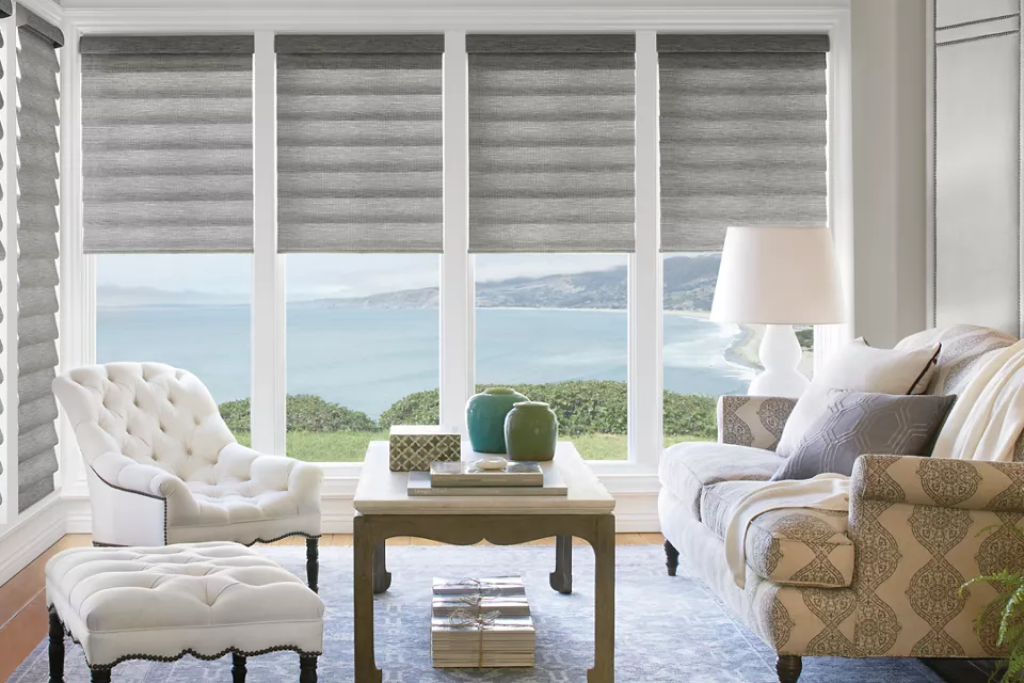
While all blinds help control light and privacy, specific types stand out for their energy-saving capabilities. Cellular shades, also known as honeycomb blinds, are widely recognized for their innovative structure. Their design features air pockets that trap heat, effectively insulating the window. This not only reduces heat loss by at least 40% during colder months but also provides a buffer against summer heat. Other effective options include roller shades and insulated Roman blinds, which add an extra thermal layer to the window surface.
For those seeking natural materials, wooden or bamboo blinds can also contribute to energy efficiency by acting as a natural shield against temperature extremes. When paired with blackout or thermal linings, these blinds become even more effective at blocking heat and cold. Vinyl and composite blinds, on the other hand, offer durability and moisture resistance, making them suitable choices for kitchens, bathrooms, and sunrooms. With so many styles and materials to choose from, homeowners are sure to find a solution that suits both their aesthetic and functional needs.
Automated Blinds for Optimal Performance
Technology has transformed window blinds from static fixtures into intelligent energy-management tools. Automated blinds can be programmed to react to temperature and sunlight in real time, adjusting their position throughout the day for optimal performance. For example, blinds can be set to close automatically during peak afternoon sunlight in summer or open during bright winter days to let in warmth and light. This hands-free efficiency ensures maximum comfort and minimal energy waste, making automated blinds a wise investment with payback in reduced utility costs.
Integration with smart home systems further enhances the convenience of automated blinds. Voice command compatibility, remote operation via mobile apps, and integration with sensors that track sunlight and temperature all enable seamless control without manual adjustments. These systems not only support sustainable home operations but also add a layer of luxury and convenience that modern homeowners appreciate. Over time, data from automated blinds can also provide insights into energy patterns, helping fine-tune home management strategies for even greater efficiency and savings.
Combining Blinds with Other Treatments
The most effective insulation comes from layering window treatments. In addition to energy-efficient blinds, homeowners can pair them with draperies or thermal curtains to further reduce heat loss and gain. This combination acts much like double-glazing for your window: the blind offers the first barrier, while curtains or drapes add another layer of insulation and style. Choosing complementary fabrics and finishes ensures that the space remains both visually inviting and functionally resilient against temperature fluctuations.
Another valuable approach is to use decorative valances or cornices that extend slightly beyond the top edge of the window frame. These not only elevate interior design but also minimize air leakage above the blinds or shades. The strategic use of multiple window treatments can be customized from room to room, depending on orientation, function, and energy needs, offering household-wide comfort and efficiency improvements.
Proper Installation and Maintenance
Even the best-designed blinds require proper installation for maximum efficacy. Blinds should fit snugly within the window frame, as close to the glass as possible, to create a sealed air pocket. Gaps or misaligned mounts can reduce energy savings by allowing drafts or heat transfer. Regular maintenance, such as cleaning and checking for mechanical issues, ensures that blinds operate smoothly and continue to provide energy benefits over the long term. Periodic inspection of hardware and fabric also helps catch problems early, maintaining the investment in home comfort.
Additionally, ensuring that blinds are adjusted seasonally, for example, raising blinds in winter afternoons to allow passive solar gain, or closing them during hot summer days, boosts their effectiveness. Teaching household members to manage blinds correctly can have a surprisingly significant impact on both comfort and energy costs. By making these small yet meaningful adjustments, families can reap the full potential of even standard window treatments.
Choosing the Right Blinds for Your Home
Selecting window blinds tailored to your climate, window orientation, and daily habits is key to achieving the best performance. In cooler climates like Minnesota’s, insulated options such as honeycomb or layered window treatments are particularly effective. South- or west-facing windows can benefit from reflective or blackout blinds to mitigate sun exposure. Consulting an experienced local professional ensures that you choose, install, and maintain the most suitable options for lasting results and noticeable savings.
Don’t forget to consider aesthetic preferences alongside functional benefits. Today’s selection of energy-efficient blinds includes colors and textures to complement any décor. Take time to evaluate each room’s needs and discuss your goals with a specialist. By investing in quality products and expert advice, you’ll be creating a more comfortable, efficient, and beautiful home for years to come.
See also: Understanding Business Loan Options for Entrepreneurs
Conclusion
The investment in quality window blinds is rewarded through year-round comfort, reduced energy consumption, and enhanced home value. Modern blinds offer more than privacy; they are a powerful tool for efficiently managing indoor climates. By exploring advanced options such as cellular shades, automated systems, and layered window treatments, and by partnering with trusted professionals, homeowners can create energy-smart living spaces that stand the test of time.